Zone 14 in football refers to a specific area on the pitch that is crucial in modern tactical setups. At 1xBet you can find online betting on everything that happens in various areas of the football field too.
It is located centrally, just outside the opponent’s penalty box, roughly between the two penalty area lines but more towards the center than the wings. Imagine the penalty area as a rectangle, zone 14 sits right outside the top of this box, in the central channel between the 2 penalty arcs, essentially the space just before the “D” of the penalty area. At 1xBet online you can start betting in plenty of football matches as well.
The golden zone
Why is zone 14 so important? This zone is often called the “golden zone” because it’s where many attacking moves are initiated or finished. It offers a perfect vantage point for players to see the entire attacking third and make critical decisions. If you try convenient 1xBet app it will also be possible to bet on what players do in this part of the field too.
From this spot, players can do 3 things:
execute key passes;
create scoring chances;
or take shots at goal
Because it’s so centrally located, controlling zone 14 means having influence over the main attacking thrust. Other aspects from football are also available for betting if you try the convenient 1xBet app too.
An area where the best players operate
In tactical terms, managers place high value on players who can work effectively in zone 14. These are often attacking midfielders, “number 10s,” or creative playmakers. Their role is to exploit this space by finding pockets of time and space, receiving the ball, and distributing it to wide players or forwards or trying their luck with direct shots on goal. The 1xBet platform is also packed withlive bettingoptions on different kinds of football players too.
Defensively, teams aim to prevent opponents from comfortably controlling zone 14 because it can lead to dangerous attacking opportunities. Pressing in this area can disrupt the rhythm of the opposition’s attack and limit their ability to create clear chances.
Famous players have excelled in zone 14, with 3 examples being Andrés Iniesta, Kevin De Bruyne and Mesut Özil. They have used their vision and technical skill to dominate this critical part of the pitch. Coaches design their team’s shape and movement to gain superiority in this area, recognizing its impact on the game’s outcome.
As it can be seen, zone 14 is a central attacking zone just outside the opponent’s penalty area that plays a pivotal role in creating goal-scoring opportunities. This makes it one of the most strategically important spaces on a football pitch, and what happens here is available for betting at 1xBet live too.
Online gaming’s never been more accessible. Whether you’re on your laptop, your phone, or quietly spinning reels between errands, playing at a kasino has become a normal part of the digital routine for a lot of folks. But here’s the thing – just because the site is secure doesn’t mean you should forget about your end of the deal.
Platforms like Betway invest in encryption, compliance, and all the bells and whistles. But if you’re still using the same password you created back in 2012, you’re basically leaving the door half-open. You can – and should – do your part to tighten things up without killing the vibe.
Start With a Separate Email
First rule of online kasino club? Don’t use your primary email. Create a dedicated address just for gaming and betting. It makes it way easier to keep track of account notifications – and if something does go sideways, your main inbox isn’t part of the fallout.
Bonus: this also helps cut down on the clutter. Promo emails won’t get mixed up with your bank alerts or grandma’s forwarded chain letters.
Turn On Two-Factor Authentication (Seriously)
If there’s an option to turn on two-factor authentication, don’t ignore it. It’s that thing where you log in with your password, then get a code sent to your phone or an app. Doesn’t take long, but it makes a big difference. Think of it like locking your front door and putting the chain on – simple, but way harder to get past.
Use Prepaid Options Whenever You Can
Want to avoid linking your main bank card? Smart move. Prepaid debit cards and vouchers like Paysafecard are your best friends here. You only load what you’re willing to spend, and if something goes wrong, the damage is capped.
This method is especially handy in Tanzania, where mobile-first banking is already second nature. And with more sites accepting prepaid options for top-ups, it’s becoming just as convenient as tapping your card.
Don’t Sleep on Password Hygiene
Look, no one loves creating new passwords. But this is one of those “do it anyway” things. Every account should have its own password. Long. Random. Not your dog’s name followed by a 1.
Use a password manager if you need help keeping track. There’s no trophy for remembering 16 different logins in your head. There is peace of mind knowing you won’t get hit in a credential stuffing attack.
Stick to Licensed Operators
This feels obvious, but it’s worth repeating: don’t play on sketchy sites. Check for licenses, SSL encryption, and a functioning customer support section that doesn’t look like it was built in 2008.
Reputable sites are audited and follow strict KYC (Know Your Customer) protocols – which means they’ll ask for ID, proof of address, and possibly a selfie. It’s not a trap. It’s there to protect you.
It Goes Beyond Gaming
Our lives are more online now than ever. We stream, we shop, we pay, we play – and all of it involves handing over bits of personal info. Keeping that data safe shouldn’t be an afterthought.
The good news? Most of the habits that protect your kasino account also protect your email, your wallet, and just about everything else you do on the internet. It’s the kind of small effort that pays off way beyond the game.
A Few Small Steps Go a Long Way
You don’t need to become a cybersecurity expert to stay safe. Just pick up a few basic habits:
Staying connected is a top priority for many Nigerians, whether it’s for work, staying in touch with loved ones, or simply browsing online.
With the growing demand for airtime and data, finding a fast and reliable platform to make these purchases is more important than ever.
From personal top-ups to sending data as a gift, convenience and security matter.
In this article, we’ll highlight six trusted websites that will make buying airtime and data easy in 2025.
Best Platforms to Recharge Airtime and Buy Data in Nigeria
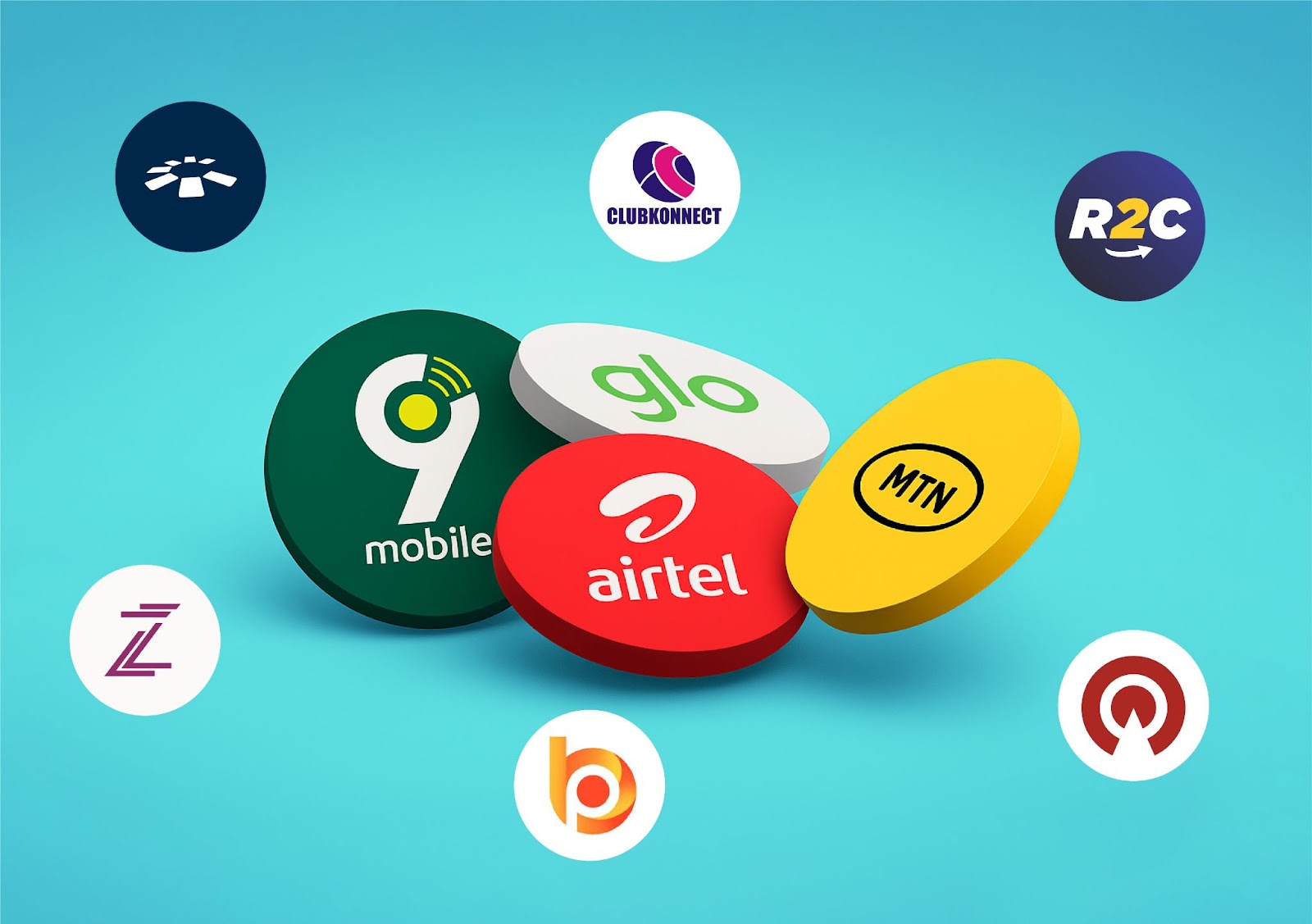
Recharging airtime and buying data online should be fast, secure, and stress-free. To help you choose the best option, here’s a quick comparison of six reliable platforms in Nigeria: Cardtonic, Recharge2Cash, Aimtoget, Clubkonnect, Zoranga, and BillPoint.
We’ve compared them based on speed, ease of use, features, and overall reliability.
S/N
Platforms
Speed
Ease to Use
Features
Reliaability
1
Cardtonic
very fast
User friendly
Airtime/Data top up, Gift card trading
Excellent
2
Recharge2Cash
fast
Easy to navigate
Airtime to cash, Airtime top up
Very Good
3
Aimtoget
moderate
Simple interface
Data purchase, Airtime, Utility payments
Good
4
ClubKonnect
fast
Requires some setup
VTU services, Reseller support
Very Good
5
Zoranga
moderate
Average UX
Airtime top up, Airtime to cash
Fairly Reliable
6
Billpoint
fast
Smooth experience
Airtime/Data, Bill payments, Betting topup
Very Good
1. Cardtonic:
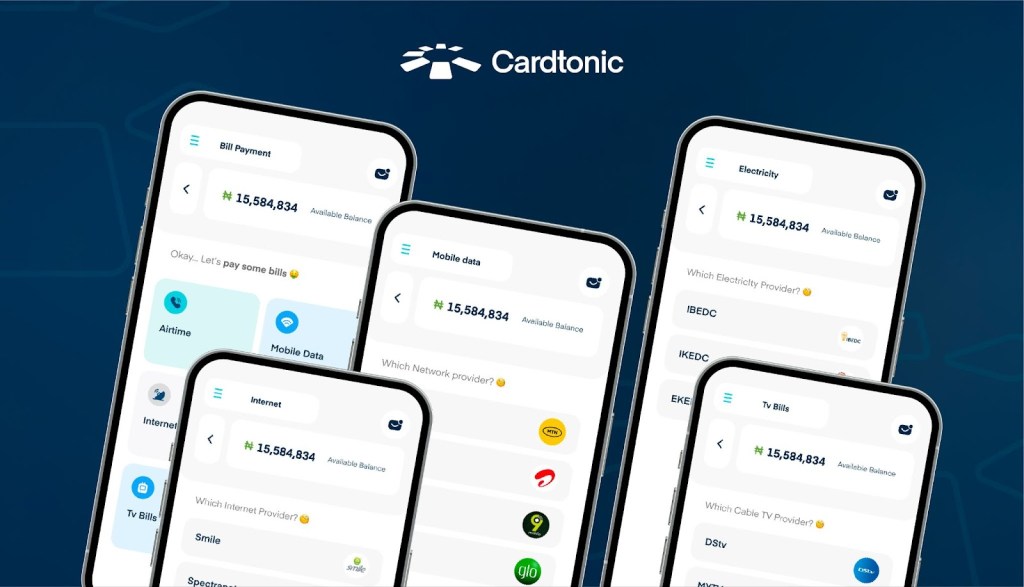
Cardtonic is one of the most trusted platforms in Nigeria when it comes to digital transactions, and it’s a solid choice if you want to pay bills online in Nigeriaquickly and without complications.
Transactions are processed instantly, and the app supports all major Nigerian networks, making it easy to top up without switching between multiple platforms. Airtime and data purchases are processed almost instantly, which makes it perfect for those urgent moments when you can’t afford delays.
Beyond speed, Cardtonic also offers a smooth experience with reliable customer support and added features like gift card trading, all in one place.
One of Cardtonic’s strongest points is reliability—transactions rarely fail, and in the event of any issue, customer support responds quickly and professionally.
Whether you’re recharging your line or helping someone else stay connected, Cardtonic delivers convenience and consistency every time.
2. Recharge2Cash:
Recharge2Cash is a practical option for users who want more than just a top-up platform. It’s known for its fast processing time, especially when converting airtime to cash or recharging directly.
The app is straightforward, with a layout that makes it easy to find what you need. One standout feature is its airtime-to-cash service, which many people use to recover mistakenly loaded airtime or convert excess credit into real money.
While it may not have a wide range of services, what it offers works reliably, and transactions are usually completed without issue. It’s a solid choice if you’re focused on simple, fast, and reliable airtime-related transactions.
3. Aimtoget:
Aimtoget has grown into a popular platform by offering more than just recharges. It supports airtime, data purchases, and even utility bill payments.
In terms of speed, it’s decent, though not the fastest on this list. The interface is user-friendly, but it can feel a bit out dated in some areas. Still, everything works as expected.
Aimtoget’s strength lies in its range of services and the ability to automate frequent purchases through a wallet system.
While reliability is generally good, users may experience occasional delays during high traffic periods. It’s a great all-in-one option for those who want to handle multiple bill payments from one place.
4. Clubkonnect:
Clubkonnect is designed with both regular users and resellers in mind. It offers fast airtime and data recharges and allows users to resell services at discounted rates, which is ideal for small business owners.
The platform isn’t as polished as some others when it comes to user interface, and it may require a bit of setup to get started. However, once you’re in, it runs efficiently.
Its strongest features include VTU (Virtual Top-Up) services, data reselling, and access to developer APIs for integration.
Clubkonnect is best suited for people looking to make consistent transactions or generate some income through reselling, and it delivers dependable performance once set up.
5. Zoranga:
Zoranga offers a unique approach to airtime transactions, especially with its airtime-to-wallet and airtime-to-cash features.
Speed-wise, it performs moderately, transactions don’t take too long, but it isn’t instant either. The platform works well for its niche, but the user experience could be more modern and intuitive.
Zoranga supports major networks and is often used by people who receive airtime as payments or mistakenly recharge the wrong line.
While it’s not packed with extra features, it does what it’s built for with a fair degree of reliability. It’s a helpful tool for specific use cases rather than general top-ups.
6. BillPoint:
BillPoint focuses on simplicity and speed, and it delivers well in both areas. The platform allows you to recharge airtime, buy data, pay bills, and even top up betting accounts—all from one dashboard.
Its interface is smooth and feels modern, which makes it easy to use even if you’re not tech-savvy. Transactions are completed quickly, and you’re notified immediately once they’re processed.
BillPoint stands out for offering a bit more flexibility than standard recharge apps, making it a convenient option for managing multiple services.
Overall, it’s reliable, efficient, and user-focused, ideal for those who want everything in one place without complications.
Frequently Asked Questions About Airtime and Data in Nigeria
1. What is the Best Platform to Buy MTN Airtime in Nigeria in 2025?
Cardtonic is one of the best platforms to buy MTN airtime onlinein 2025. The platform offers a fast, secure, and user-friendly way to recharge across all major networks.
2. Are There Any Hidden Charges When Recharging Airtime or Buying Data?
Hidden charges are not common, but they can happen in some cases. It’s always a good idea to double-check the total amount before you complete any transaction.
3. Which Platform Offers the Cheapest Data Bundles?
Cardtonic offers some of the most affordable data bundles in Nigeria, making it a go-to choice for anyone looking to save while staying connected. The platform is designed to help users buy data bundles online quickly and securely, with competitive rates across all major networks.
4. How Can I Check My Airtime and Data Balance?
To check your balance on any Nigerian network, just dial *310# for airtime and *323# for data. These are universal codes that work on MTN, Airtel, Glo, and 9mobile.
5. Can I Earn Money Reselling Data and Airtime with These Platforms?
Absolutely. Platforms like Clubkonnect, Aimtoget, and Recharge2Cash offer reseller options that allow users to earn by selling data and airtime to others. They often provide discounted rates for bulk purchases, making it possible to resell at a profit.
Conclusion
In a digital world where staying connected is essential, having access to fast, secure, and reliable platforms for airtime and data purchases makes all the difference.
From user-friendly apps like Cardtonic to reseller-friendly options like Clubkonnect and Recharge2Cash, each platform offers something unique.
Whether you’re simply trying to top up your line or looking to earn through reselling, these six platforms stand out for their performance and convenience.
In today’s fast-paced digital world, convenience, trust, and speed aren’t luxuries — they’re expectations. And in Ghana, one new platform is stepping up to deliver all three. Introducing Oysloe, the all-in-one online marketplace designed to connect buyers and sellers across the country — safely, smartly, and seamlessly.
Built in Ghana, for Ghanaians, Oysloe is not just another shopping app — it’s a game-changer for local businesses, service providers, and everyday shoppers.
What Exactly Is Oysloe?
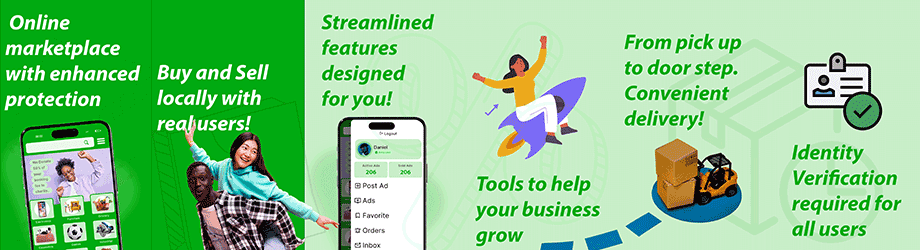
Oysloe.com is a powerful, mobile-first platform that allows individuals and businesses to buy, sell anything, and offer services with ease. From electronics, fashion, furniture, and vehicles to real estate and local services, everything you need is just a few taps away.
Whether you’re a startup trying to reach more customers or a shopper looking for verified sellers and flexible payment options — Oysloe brings the marketplace to your pocket.
What Makes Oysloe Different?
Oysloe doesn’t just follow trends — it sets them. Here’s what makes it stand out in the crowded world of online commerce:
Integrated Delivery System Sellers can focus on growing their businesses — Oysloe handles delivery logistics nationwide.
Multiple Payment Options Customers can pay how they like — with Mobile Money, bank cards, or direct transfer.
Buy Now, Pay Later Oysloe gives buyers more flexibility with easy installment payment plans.
Verified Sellers & Buyer Protection Every seller is screened for authenticity, and every transaction is safeguarded.
More Than Just Products Businesses can also list services, turning Oysloe into a hub for everything from repairs to rentals.
Who Should Join Oysloe?
Small and medium scale business owners looking to grow their visibility.
Freelancers and service providers ready to go digital.
Shoppers who want variety, ease, and trusted transactions.
Enterprising Ghanaians ready to embrace the future of commerce.
Oysloe is for everyone — and it’s opening its doors to early sellers right now.
Pre-Launch Seller Registration Is Now Open And It’s FREE!
As Oysloe gears up for launch, the platform is inviting vendors, shops, and service providers to register early — and get ahead of the curve.
Here’s how to get started in just 3 simple steps:
Sign Up Head over to www.oysloe.com and submit your seller registration.
Get Trained You’ll receive a quick orientation to help you navigate the platform and get the best out of it.
Get Listed After verification, your store will be published and ready for customers the moment Oysloe goes live.
We’re here to guide you. Visit: www.oysloe.com Call or WhatsApp: 055 289 2433 / 030 395 9615
Join hundreds of Ghanaians already preparing for the future of digital commerce.
Accra, Ghana – Samuel Nartey George, now serving as the Minister for Communication, Digital Technology and Innovations of Ghana, has presented a comprehensive blueprint for the nation’s digital future, emphasizing significant reforms in telecommunications, cybersecurity, and digital infrastructure. His pronouncements, made during a recent briefing that solidified his ministerial role, underscore Ghana’s unwavering commitment to establishing itself as a leading digital economy in Africa.
Minister George’s vision encompasses a multi-faceted approach, tackling long-standing issues and introducing cutting-edge initiatives to ensure a secure, connected, and innovation-driven environment for all Ghanaians.
Overhauling SIM Registration for Enhanced Security
A core focus of the Minister’s agenda is the complete overhaul of SIM card registration. He detailed a robust three-phase process being implemented by the National Communications Authority (NCA):
Biometric Validation and Data Cleanup: Ensuring the accuracy and integrity of existing SIM records.
Controlled New Registrations: Implementing stricter controls for new SIM activations.
Business SIM Verification: Rigorous verification of SIMs used by businesses and the deactivation of non-compliant records.
A new legal instrument (LI) is currently before Parliament to replace the outdated 2010 framework, providing a modern and robust legal backing for these changes. The new registration system is designed to be fully electronic, eliminating the queues and manual processes of the past. With biometric data cleanup already 80% complete, the public rollout of new SIM registrations is anticipated before the end of the third quarter.
Combating Device Theft with the Central Equipment Identity Register (CEIR)
To combat the pervasive issue of mobile phone theft and the influx of counterfeit devices, Ghana is implementing a Central Equipment Identity Register (CEIR). This system will monitor, identify, and ultimately block stolen and illicit devices using their unique IMEI numbers. The CEIR will integrate seamlessly with SIM registration systems, customs, and the NCA’s type approval and dealership registry, creating a formidable barrier against illegal device trade.
Expanding Regional Connectivity with ECOWAS Roaming Ghana
In a move set to ease cross-border communication and boost regional integration, Ghana’s bilateral roaming service is now operational with Côte d’Ivoire, Togo, and Benin. This initiative allows travelers to pay local rates when using their phones in these countries. Testing has been successfully completed with The Gambia, and advanced discussions are underway with Nigeria, with a target to go live by the close of 2025.
Strengthening Telecom Resilience and Regulatory Frameworks
Minister George also highlighted the completion of the National Telecommunications Emergency Plan, a critical measure to ensure communications resilience even if commercial networks face disruptions. Additionally, the Ministry is developing and revising licensing frameworks for a wide array of services, including communication managed services, internet exchange points (IXPs), submarine carriers, and communication dealerships, adapting to the evolving technological landscape.
Attracting IXPs to Boost Internet Speed and Reduce Costs
Ghana is actively working to attract more local Internet Exchange Points (IXPs) to reduce data consumption and enhance internet speed by shortening data travel distances. The commissioning of the London Internet Exchange Point in Accra, supported by backups in other data centers, is a significant step. The objective is to attract at least two more IXPs by the end of the year, which is expected to lead to a drastic reduction in internet access costs for consumers.
Advancing Cybersecurity and Combating Cybercrime
The Cyber Security Authority (CSA), under the purview of Minister George’s ministry, is intensifying Ghana’s cybersecurity efforts. Key initiatives include:
Regulatory Enforcement and Citizen Protection: Through continuous threat monitoring, streamlined cybercrime reporting, and widespread child online protection campaigns that have reached over 55,000 young people.
Capacity Building: With upcoming events like the 2025 National Cyber Security Challenge and the annual National Cyber Security Awareness Month. The CSA has also registered numerous cybersecurity providers, professionals, and establishments and is operationalizing sectoral Computer Emergency Response Teams (CERTs).
International Cooperation: Ghana, through the CSA, plays an active role in global cybersecurity initiatives, co-chairing the ICRC ICT workstream.
Minister George underscored the CSA’s enhanced law enforcement mandate, citing successful joint operations with the Ghana Police Service and the National Intelligence Bureau. These operations have led to the surveillance, arrest, and prosecution of numerous individuals involved in cybercrimes such as romance scams, child online sexual abuse, financial platform unauthorized access, investment scams, extortion, and recruitment fraud.
Notable successes include the dismantling of a “pig butchering” fraud hosting center with over 400 arrests and the busting of a sophisticated recruitment fraud ring. The CSA has also provided critical assistance to the FBI, leading to the apprehension and extradition of individuals involved in cybercrimes with proceeds exceeding $105 million USD. Minister George reiterated his commitment to making Ghana an inhospitable environment for cybercriminals and confirmed ongoing discussions with platforms like PayPal to address cyber fraud and illicit fund flows.
Future Outlook: Digital Government Services and AI Strategy
Beyond these immediate priorities, Minister George also provided insights into broader digital transformation efforts. He announced that over 16,000 government services will soon be accessible through an upgraded Ghana.Gov platform, aiming to modernize public service delivery and improve digital governance. This redesigned platform will feature significantly faster access, full Ghana Card integration, and an intuitive interface.
Furthermore, a draft National Anti-Misinformation Bill is being prepared for Parliament to address the growing threat of online misinformation while safeguarding free speech. Ghana’s National AI Strategy, developed in collaboration with KNUST, UNESCO, and the British High Commission, is set to launch in Q3 2025, positioning Ghana as a leading AI hub in Africa by 2028. In terms of infrastructure, the Next Generation Infrastructure Company (NGIC) is slated to activate 350 5G-ready cell sites by Q4 2025, with an initial 50 sites going live in Accra and Kumasi.
These ambitious initiatives, under the leadership of Minister Samuel Nartey George, signal a new era for Ghana’s digital economy, promising enhanced security, improved connectivity, and a robust framework for innovation and growth.
While the headline numbers and high-profile speakers will draw attention, the real test will be turning ambition into action. Here’s what to watch:
1. From Discussion to Deployment Workshops and panels promise deep dives on AI in agriculture, healthcare and finance. Yet after the last keynote ends, will pilot projects see real funding and government support? Ghana’s One Million Coders Programme and the forthcoming innovation hub must translate summit insights into village-level solutions like drone-guided fertiliser sprays or AI-powered remote diagnostics for rural clinics.
2. Skills Gap vs Summit Access The event will bring top experts from Ghana, Africa and beyond. That visibility is vital, but most local tech talent still lacks advanced AI training. Upskilling beyond Accra will be critical. Without targeted scholarships or regional training centres, the summit risks reinforcing urban-centered networks instead of broad-based capacity building.
3. Policy and Ethics Under the Microscope Ghana has taken early steps on data protection and digital identity. Now lawmakers and regulators need to frame clear rules on data privacy, algorithmic bias and startup funding. A summit pledge to prioritise ethics sounds good, but turning guidelines into enforceable regulations will require inter-ministerial coordination and resources.
4. Investment vs Inclusion High-value partnerships with Microsoft, IBM and local startups could drive innovation. However, the vast majority of Africa’s entrepreneurs still operate informally. Granting sitting fees and venture capital to well-connected founders may leave many small-scale innovators behind. To foster true inclusivity, organisers should reserve summit slots and seed grants for under-represented regions and early-stage teams.
Why It Matters Africa’s population is young and its mobile infrastructure strong. If Ghana can bridge policy, talent and infrastructure gaps, this summit could ignite an AI ecosystem that drives food security, healthcare access and financial inclusion. But success depends on how well ideas from podiums turn into programs on the ground, and how equitably those programs reach beyond Accra.
The Pan-African AI Summit is a milestone, but its lasting impact will be measured by real projects, solid regulations and broad skills development long after September’s last session concludes.
Ghanaian fintech startup Liquify has closed a $1.5 million seed equity round, with additional debt support, to help small and medium enterprises convert unpaid invoices into immediate working capital. According to co-founder and CEO Nadya Yaremenko, the funding will accelerate Liquify’s mission to bridge Africa’s estimated $120 billion annual trade finance shortfall.
Funding Led by Future Africa Future Africa led the round, joined by Launch Africa, 54 Collective, Digital Africa, Equitable Ventures and several angel investors. Impact lender Emerald Africa provided a debt facility to back Liquify’s growing liquidity needs.
Solving a Critical Cash-Flow Challenge Many African exporters wait 30 to 90 days for payment on shipped goods, creating cash-flow pressure. Liquify automates invoice financing so verified invoices can be turned into same-day cash. The fully digital, AI-powered platform handles onboarding, know-your-customer checks, anti-money-laundering screening and credit scoring in hours rather than the weeks traditional banks require.
How the Platform Works
An SME uploads an export invoice to Liquify’s portal.
AI engines verify buyer details and assess credit risk.
Once approved, Liquify advances most of the invoice value on the same day.
Investors purchase the invoice at a small discount, earning yields when buyers pay.
“Banks often take over 10 days and charge more than $10,000 per transaction,” said Yaremenko. “Our technology cuts both time and cost to a fraction of the usual process.”
Early Traction and Impact Since launching its beta in late 2024, Liquify has processed over 150 transactions worth more than $4 million. Most users are SME exporters in Ghana and Kenya trading with buyers in Europe and North America. The company reports zero customer churn, with many exporters returning for repeat financing.
Plans for Growth With the new capital, Liquify will: • Grow its team in product development, engineering and customer success in Ghana • Enhance AI-driven risk engines for faster due diligence • Expand into new markets such as Nigeria and other Anglophone and Francophone countries • Pilot structured investment products and digital tools for trade documentation
Overcoming Hurdles Building trust with SMEs unused to formal finance and educating global investors about the value of SME trade receivables have been key challenges. “Our speed and reliability have helped win over exporters,” Yaremenko noted. “Now we must show investors this is a scalable, low-correlation asset class.”
What It Means for SMEs By converting slow-paying invoices into instant cash, Liquify is giving African entrepreneurs flexibility to manage payroll, restock inventory and seize new opportunities. As more SMEs gain access to affordable working capital, the continent’s trade-finance gap could shrink, unleashing growth in exports and local economies.
Ghana’s central bank plans to roll out new rules for open banking, digital banking and digital credit by the end of the year. According to Deputy Governor Dr. Zakari Mumuni, these frameworks will expand financial access and give small and medium enterprises better tools to grow.
The Bank of Ghana has been adjusting its approach as mobile money, blockchain, artificial intelligence and digital wallets gain ground. Building on the 2019 Payment Systems and Services Act, the bank wants clear guidelines that promote innovation while keeping risks under control.
Alongside these new rules, the central bank is testing several pilot projects. An electronic cedi (e-Cedi) is in the works to complement mobile money. The bank is also experimenting with tokenization efforts such as Universal Trusted Credentials and Semi-Fungible Tokens to support digital identity and asset management.
On the supervisory side, the Bank of Ghana has launched two data-driven platforms. The Supervisory Intelligence system and the Online Regulatory, Analytics and Surveillance System collect detailed data from banks and fintechs. These tools help regulators spot trends, respond faster to threats and make evidence-based policy decisions.
The announcement came during a public-private roundtable in Accra hosted by AyaHQ, a local incubator for blockchain and digital-asset startups. AyaHQ’s founder, Eric Annan, called for special innovation zones where startups, regulators and investors can work together on projects in areas like digital identity, climate tech and decentralized finance.
With these new rules and pilot programs, Ghana is laying the regulatory foundation for a more inclusive, tech-driven financial system. SMEs should soon find it easier to access credit, integrate with payment platforms and compete in both local and cross-border markets.
When you dive into React, checkboxes seem easy at first. You think it’s just a little box that switches between true and false. Then you hit a snag. Maybe the checkbox doesn’t update right away. Or maybe it’s not keeping the right state.
That’s when you realize there’s more to checkboxes than just clicking them. You’ll come across two terms: controlled and uncontrolled. Understanding the difference can save you so much time when it comes to debugging.
Checkboxes Look Simple, But They Aren’t Always
It’s easy to throw a checkbox into your form and assume it works. But once your project grows, things get messy. Especially if you’re tracking user inputs. That’s when you start looking into the best way to handle checkboxes in React.
At some point, you’ll start searching online and come across examples showing how to build a checkbox in React using different methods. Some use useState, others use ref, and you’re left wondering what’s better.
Here’s the thing—both controlled and uncontrolled checkboxes work. But they behave differently. One gives you full control over the checkbox state. The other kind of just does its own thing.
What Is a Controlled Checkbox?
A controlled checkbox in React means the checkbox value is tied to component state. You control it with a state hook like useState. Every time the user clicks the checkbox, you update the state. And that state tells the checkbox if it should be checked or not.
With this setup, the checkbox is always in sync with your app. If something changes the state elsewhere, the checkbox reacts to it. That’s the benefit. You know exactly what’s going on. You can even pass that value to a parent component or save it to a form.
Uncontrolled Checkboxes Let the DOM Do the Work
Uncontrolled checkboxes are different. Instead of tracking state in your component, you let the DOM handle it. You don’t need useState. Instead, you use a ref to access the checkbox when needed.
Example:
const checkboxRef = useRef();
<input type="checkbox" ref={checkboxRef} defaultChecked={false} />
To check the value later, you’d read it like this:
const isChecked = checkboxRef.current.checked;
This works if you don’t need to constantly update or watch the value. If you just want to read it once, like when someone submits a form, it’s fine. But it can get tricky when your UI needs to reflect the current value live.
So Which One Should You Use?
If you want tight control over the checkbox state, use controlled components. They work better in big apps. They make things easier to manage when you have complex forms. You always know what the checkbox is doing.
But if you have a really simple use case, like a quick settings toggle or a one-time value read, uncontrolled might be easier. It’s less code. It’s also slightly better for performance, since React isn’t re-rendering every time the checkbox changes.
Still, most of the time, controlled checkboxes are safer. They play nicer with other React stuff.
Mixing Controlled and Uncontrolled? Not a Great Idea
Sometimes developers mix both methods. Maybe they set defaultChecked and also try to use checked. That can cause bugs. React will yell at you in the console. It doesn’t like it when you switch between controlled and uncontrolled.
Pick one style and stick with it. If you go with useState, don’t use defaultChecked. Use checked. If you’re using a ref, don’t try to also control the value through props. That’s where things break.
Why Does This Matter for Real Projects?
When you build real-world apps, you’ll have forms, toggles, filters, and lots of checkboxes. You’ll want to test your forms. You’ll want to store checkbox states. Maybe even send those states to an API. Controlled checkboxes give you that power.
They let you track every change. They keep your UI and data in sync. If a user edits something and comes back later, your form can remember what they picked. That kind of stuff matters.
And let’s be honest—bugs with checkboxes are annoying. They feel like they should just work. But if you’re not using the right pattern, you’ll chase down weird issues. That’s why it helps to pick the right approach early.
Wrapping It Up
Controlled and uncontrolled checkboxes may seem like a small detail. But they matter when your app grows. Controlled checkboxes give you full control. They let your app stay in sync. Uncontrolled ones are faster and lighter, but they don’t offer much flexibility.
If you’re learning React or building something serious, go with controlled. If you’re building something simple, uncontrolled is okay. Just don’t mix them. And remember, no checkbox is as simple as it looks—until you learn how to handle it the React way.
Wahu Mobility, a Ghanaian electric-vehicle innovator, unveiled its new digital platform, the Wahu Hero app, on June 26, 2025 at an event held at the British High Commission residence in Accra. The launch marks a key step in Wahu’s plan to build a full-stack e-mobility ecosystem that fits the needs of African cities.
A One-Stop App for Riders The Hero app gives individual users tools to manage their electric bikes with ease. Riders can track their bike in real time, choose flexible payment plans, schedule maintenance, order spare parts and earn rewards for safe and steady riding. The app also supports Wahu’s Ride-to-Own program, letting delivery riders and small business owners pay off their e-bikes over time while they earn income.
Tools for Fleets and Logistics Beyond individual users, Hero is built to serve fleet operators and delivery partners. It provides data dashboards to monitor performance, routing tools to cut delivery times and features that help companies lower their carbon footprint. By offering these operational insights, Wahu is laying the digital groundwork for cleaner last-mile delivery across the region.
Local Leadership and Global Support The launch drew government officials, tech entrepreneurs and development partners. Dr. Samuel Antwi-Gyekyi, Director of Digital Technology at the Ministry of Communication, Digital Technology and Innovations, praised Wahu’s work as aligned with Ghana’s goals for a greener economy. Wahu CEO Valerie Labi said Hero is more than an app—it is a platform that empowers riders, businesses and communities.
Looking Ahead Wahu already operates in Ghana and Togo and plans to expand into Nigeria and Zambia. An open API is in development so third-party e-mobility services can plug into the platform and help build a unified network. With the Hero app now live, Wahu Mobility aims to drive Africa’s shift to electric, inclusive and data-driven transport.