Author: Kwaku Owusu

  • 4K TV, 1080p, etc: What you really need to know about Display Resolution

    4K TV, 1080p, etc: What you really need to know about Display Resolution

    If you’ve been following tech news recently, you have surely heard about how the display is getting better and how the world is moving to 8k and all that. But what do all these stuff mean? Why is 60 fps at 144Hz ideal for gaming on PC? Why does the lower priced iPhone XR have an LCD screen and not an OLED screen what’s the implication on the display?

    The two types of screens we mainly use are LCD(light-emitting diode) and OLED (organic light-emitting diode). The difference is simple LCD screens use a backlight to illuminate their pixels, while OLED’s pixels actually produce their own light. Because LCD’s are backlight, the dark images aren’t totally dark whiles in OLED they are dark because the pixels just don’t produce any colour.

    This also has an effect on the contrast between LCD’s and OLED’s for example, the contrast ratio on the iPhone XR is 1400:1 while that of the XS Max is 1,000,000:1. But these are just numbers on paper, the difference might be noticeable but not as noticeable as you would think on a display as small as 6.1 inches.

    OLED produces much brighter and more vivid colours on TV’s and monitor’s but because the technology is new, it is more expensive but its definitely not a deal breaker when going for the iPhone XR.

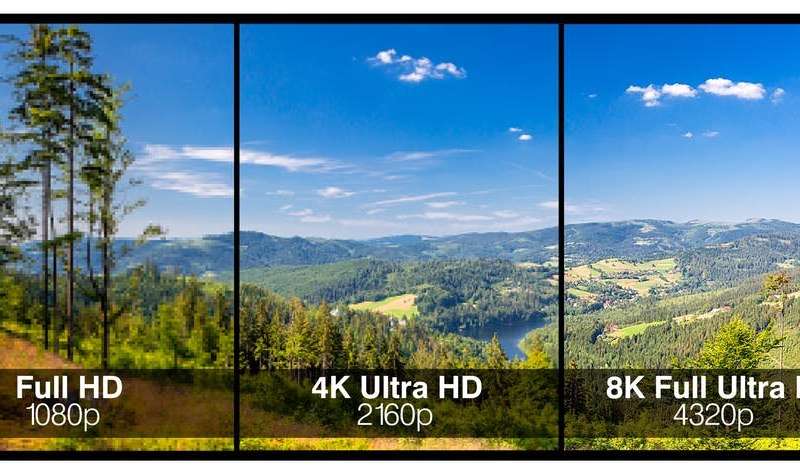
    The other terms you might hear when looking usually looking for a TV( 8k, 4k) just describe the TV’s resolution. Resolution refers to the number of pixels that compose the picture on the TV.

    A single pixel, or discrete picture element, consists of a tiny dot on the screen. So 720p screens have 921,600 pixels, 1080p have a little over 2 million pixels, 4k UHD have 8 million and 8k have over 33 million pixels.

    8k is still in the future with very few TVs supporting it and almost no content.

    4k, on the other hand, is gaining attraction all over the world because streaming services such as Netflix and Amazon have content in 4k. Another reason 4k is popular is due to the introduction of high-end games which when played in 4k are an absolute delight to the player due to better colour quality.

    Smartphones such as Samsung s8 and later all have 4k displays. The downside to 4k though is that you need at least a 27” screen size. Overall if you have the money, what is better than watching Netflix in 4k? However, 1080p is still the standard for now and 8k just a glimpse of the future.

    I’m pretty sure you might have heard something like 60 FPS at 144Hz is just great for gaming or high-end video editing. Frame rate (expressed in frames per second or fps) is the frequency (rate) at which consecutive images called frames to appear on a display.

    To enjoy a game, a frame rate of 60 fps is needed to ensure a smooth delivery. The refresh rate is the number of times a display refreshes to show a new image. The unit of frequency is Hz (hertz). Therefore, 144Hz means the display refreshes 144 times per second to show a new image, 120Hz means the display refreshes 120 times per second to show a new image, and so on.

    A game that requires 60 fps will be shaky and uneven on a 30 fps screen. A higher refresh rate ensures smoother gameplay. So a display with 60 fps at 144Hz gives the ideal experience.

    I hope after reading this, the sales guy won’t bully you around when next you go shopping for a new TV or monitor.
  • How to find your android phone when it gets missing

    How to find your android phone when it gets missing

    As smartphones evolved from call centres to computers in their own right, we learned to use them as our personal companions and its no surprise that Android phones account for the majority of the smartphones we use.

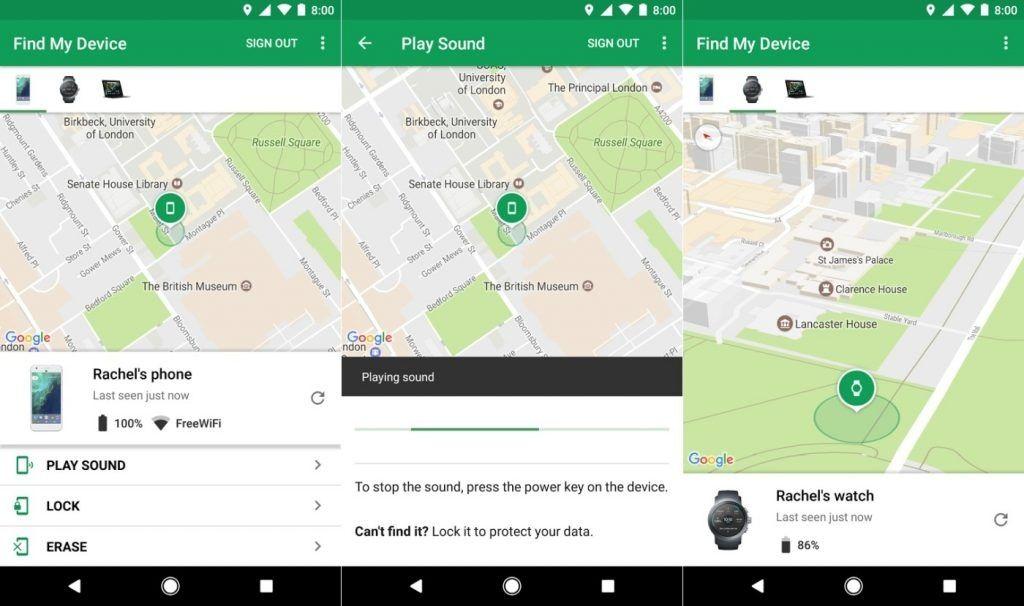
    As we move around with our phones we tend to misplace them in a taxi, at school or elsewhere. By signing into your Gmail on your phone you can track your phones and here is how to do it.

    In order to use Find My Device, your lost device must be connected to mobile data or Wi-Fi, have Location turned on and have “Find My Device” turned on.

    This means if your phone was stolen and turned off or flashed the Find my Device won’t work. On the other hand, provided it is just misplaced you can easily locate it. To do this, go to android.com/find and sign in to your Google Account.

    In the case you have more than one device, click the lost device at the top of the screen. Sign in with a Google Account that’s on the main profile. On the map, see about where the device is or was last seen.

    The location is approximate and might not be accurate. Also, if your device can’t be found, you’ll see its last known location.

    In addition to being able to track your phone, you could also remotely lock, erase or play a sound. You select the play a sound link and immediately your phone starts to ring at full volume for 5 minutes.

    Selecting the lock feature locks your device with your PIN, pattern, or password. If you don’t have a lock, you can set one immediately and you could also add your number or contact information to the lock screen to aid a good samaritan to locate you.

    Selecting erase permanently deletes all data on your device (but might not delete SD cards). After you erase, Find My Device won’t work on the device and this is ideal if you have sensitive information on it.

    Also, you can put a message on your phone in case it ever goes missing someone can easily track you. Open your device’s Settings app and select Security & location.

    By “Screen lock,” select Settings .select Lock screen message and enter your message. In addition to your phone number, you can also put emergency information such as blood group or chronic sickness just in case you are caught in a crisis.

    To do this, open your device’s Settings app and select About phone Emergency information. If you don’t see “Emergency information,” go back and select Users & accounts Emergency information and enter the info that you want to share. For medical info, select Edit information. (If you don’t see “Edit information,” select Info.)

    For emergency contacts, select Add contact. (If you don’t see “Add contact,” select Contacts.)

    To clear your info, select More, Clear all.

    I would like to misplace my phone and not be able to find it said no one ever. It is nice to be able to track your phone but let’s make the first step by making sure our phone is right by us all the time.

  • 5 Industries in Ghana Entrepreneurs can explore for Tech integration

    5 Industries in Ghana Entrepreneurs can explore for Tech integration

    It is no surprise that the world is moving towards an age where technology would replace paper and with the advent of 5G it may happen much sooner than expected. Maybe except Ghana.

    We are so far back that we rejoice when the light comes back or when our taps flow.

    Our supposed 4G network isn’t as stable as it is supposed to be and it’s not even nationwide and this hampers the integration of technology into our everyday lives.

    But all that can change if we focus on harnessing technology as a tool rather than a means to access social media or just browse the web. Some particular areas that we need to focus on integration are discussed below.

    Farming

    Ghana doesn’t pay much attention to farming and that is why we import almost everything edible. The farmers who grow the crops feel cheated by those coming to buy it from them at their respective villages.

    But an online market which connects the ordinary farmer to a ready buyer can solve almost all the problems Not only would we have an idea of how much food we produce on our own, but we can make projections on the data we have now and work on becoming a self-sufficient company.

    It is not something the government would consider doing but any entrepreneur can make millions from.

    Banking

    The banking sector was one of the early adopters of technology and safe to say there are ATM’s almost everywhere.

    But we seem to have stagnated at just that whiles the rest of the world has moved one to wireless methods of payment such as using your phone or watch or even just using your card to pay. Even though many of the malls and other big stores accept card payment, they are still a minority.

    We need to work on a generalized acceptance of wireless payment into our everyday lives as it is often secure, simple and safe and this a great idea for a tech startup.

    Transportation

    Everyone seems to have used one form of public transport or another and it isn’t an enjoyable experience especially during peak hours.

    We have almost no indication of when “trotros ” might arrive and sometimes people can be seen struggling to enter one due to scarcity during that time. We could get the statistics of the various driving unions and then apportion adequate numbers of drivers at the right times.

    With this, electric signboards may be placed at bus stops to inform people of the upcoming trips. Making the system electronic can allow for much improvement in the sector and tech entrepreneurs should view this area as the land of gold though much work would be needed.

    Education

    “We don’t even have free accessible education what’s the point in infusing tech into education” someone might say. We need, as much as possible, to teach children how to correctly use the widespread of information we have at our disposal.

    Whether or not we teach them they would learn how to do almost everything on their own so its best to teach. We could start by having digitized exams or even demanding some form of project work to be done online instead of the ICT exam they write on a piece of paper.

    Entrepreneurs can take it one step further by offering coding classes or even specialized skills as a part of the curriculum.

    Health

    Wouldn’t it be nice if every new hospital you went to already had your past history and could treat you better? Well maybe that is a little far fetched but the idea is fun to think about.

    Our current health system is limited by the same limitations of paper. Misplaced file, miscommunication between lab technicians and doctors and so on.

    Seamless integration of tech would not only better patient treatment but would provide enough statistics for research.


    We need to move on to the next stage of technology as Ghanaians and entrepreneurs might be our next chance.

  • A look at the Huawei P30 and P30 Pro

    A look at the Huawei P30 and P30 Pro

    Its surprising how quickly Huawei has made its rise to power in the smartphone market even going as far as to surpass Apple as the second most successful company in 2018.

    If you’ve used some of their premium phones (not the Y7 and its group) you’ll understand why this is so. The Mate 20 released last year was a beast in a phone and was satisfying to use. This year, Huawei has unveiled its successor to rival the Samsung Galaxy S10 and its the P30 Pro.

    Huawei has always had some form of biannual releases which are the Mate series and the P series besides the other budget phones. This means they have a competitor to deal with the release of the Samsung Galaxy series and the another to compete when Google’s Pixel and Apple’s iPhone are released.

    It’s a good strategy because the can work on the faults of the P series and also better technology would be available as the year is rounding up. This made last year’s Mate 20 Pro a real contender to deal with and considering the fact that they sold 10 million handsets of them in 5 months, it is pretty safe to call it a success.

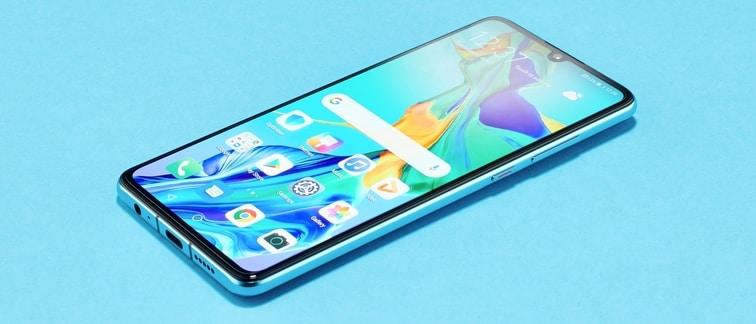
    Unveiled on the 26th of March, The Huawei P30 and P30 Pro are the latest to directly compete with the widely successful Galaxy S10. If you look at the spec sheet, you would realize they are in line too. They basically check all the boxes the Galaxy S10 checks but in terms of design, the Galaxy S10 goes for a hole punch whiles the P30’s go for the traditional teardrop notch. The only other difference might be the higher storage offered on the S10 and the camera setup.

    However, the two premium phones are as similar as they are different. The P30 and P30 Pro are very similar looking with the majority of the features being the same. Both devices have the same Kirin 980 Processor (Huawei’s own Processor) and have the same design with the P30 Pro having a curved display while the P30 is flat. Both have an optical in-display fingerprint sensor and the same 32-megapixel camera. In terms of software, they both run the same EMUI experience.

    The difference between them is what sets them $200 apart and that can be summed into wireless charging, headphone jack and cameras.

    As for the headphone jack, its a matter of self-preference and with the emergence of wireless earpieces such as the airpods and the Galaxy buds, it’s getting tough to justify its use. Wireless charging is becoming an integral part of our lives(well maybe not Ghana) and its convenient to use.

    Again this comes to personal use, if you’ve spent over 50 dollars in a 3rd party wireless charger it’ll be hard to justify the switching to a phone that doesn’t support wireless charging. The time of flight sensor is the difference between the two in the camera department. The time of flight sensor is a depth sensor that enhances portrait mode.

    Talking about cameras, the night mode of the P30 is simply mind-blowing.

    Despite having to hold the phone for 6 seconds before the shot is taken, the results are stunning even in pitch darkness. Last year’s P20 had a great night mode but this feature has been taken to another level. The P30 also has a periscope built in which offers 5x lossless zoom( the image wouldn’t lose detail between the 1x and 5x) and up to 50x digital zoom.

    It also has an ultra-wide camera for the nature shots and a normal camera sensor but there are some differences with these as well. The P30’s triple camera system is made up of a 40-megapixel main sensor with an f/1.8 aperture, a 16-megapixel ultra-wide sensor with an f/2.2 aperture and an 8-megapixel zoom sensor with an f/2.4 aperture.

    The P30 Pro has a 40-megapixel main sensor with an f/1.6 aperture, a 20-megapixel ultra-wide sensor with an f/2.2 aperture and an 8-megapixel zoom sensor with an f/2.4 aperture. A pixel overload for this phone it seems.

    The new phone signify Huawei’s ambition to dominate the smartphone market in the coming years. The P30 starts at £699 (GHS 4055) for the 6GB/128GB version whiles the P30 Pro starts at P30: From From £899 (GHS 5216) for the 8GB/128Gb version.

  • Love your health? Here are Smartwatches you should check out

    Love your health? Here are Smartwatches you should check out

    After the spurt of the smartphone, the tech industry grew beyond its limits and soon tech was trying to find its way everywhere.

    Artificial intelligence, electric cars automated trains everything. One key area of exploits was in health. Back in the days, you needed to go to your doctor or specialist to check your vitals and sometimes very regularly if you had a chronic condition like hypertension or diabetes. Thankfully those days are over.

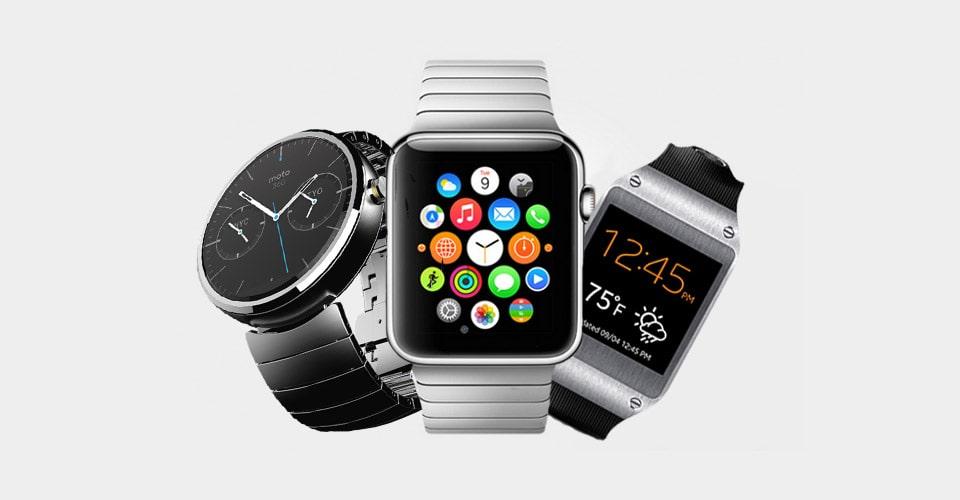
    With a smartwatch on your hands, you basically have everythung from motion tracking to heart irregularities its had to ignoreits benefits. Not every watch can do everything, but here are the best watches to make sure you live as safely as posssibly.

    Xiaomi Amazfit

    First on the list is the best budget watch is the Xiaomi Amazfit. At $120 (GHS 642) this is extremely cheap considering the Apple watch which is $399 and above.

    The watch checks all the boxes: heart rate sensor, GPS and 4Gb of storage. The also comes with a very user-friendly app which helps you set it up and configure the watch’s face. The 4Gb of storage ensures that quite a handful of songs can be stored which can only be played with a Bluetooth connected device.

    Another handy feature is the Alipay which won’t be of use to us in Ghana but it allows the Chinese to pay with just a scan much like Apple Pay. The only problem found was its inability to connect with multiple devices at a time. With a battery life of 5 days, it seems like a golden deal.

    Huawei Watch 2 Classic

    If you prefer classic watches with leather straps and a metal body then look no further than the Huawei Watch 2 Classic.

    Like the Amaz fit, it checks all the boxes required of it as a modern smartwatchh. With an IP68 rating, you are assured your watch would survive a swimming exercise. THe watch also has a dedicated button to activate a workout mode and can track sleep too.

    Android pay is also supported on the watch which can survive almost 2 days with a single charge. Also, because it looks like a regular watch, the display is kinda small but it is still manageable.

    At $389(GHS 2081), it’s by no means cheap but if a classic look is what you want, the Huawei watch 2 classic is your best bet.

    Galaxy Watch

    The smartwatch is an extension of the battle between Apple and Samsung. Dubbed the best smartwatch for android users, it’s an extension of Samsung’s great display technology.

    It looks great and come with rotating bezels to switch modes Instead of the usual wearos, the watch comes with Risen which beautifies everything and make navigation so simple. A downside of this is that Tizen doesn’t support third party apps which is kinda lame.

    In terms of health, Samsung can track 39 exercises accurately which is insane. It also has the usual GPS tracker, heart rate sensor and Samsung pay. It’s also relatively cheaper than the Apple watch at $349(GHS 186) for the base model.

    Apple Series 4

    Arguably the best money can afford, the Apple series 4 is the one closest to having a doctor around. And where it falls short in battery life , it makes up in its ability to pick up ventricular arrhythmias and fibrillations.

    An arrhythmia is an irregular beating of the heart and can predispose to death in the short term. The Apple watch’s ability to track arrhythmias has saved many lives and is pushing people with heart related conditions to buy it.

    Ergonomically speaking, the watch is well built and feels and looks expensive. With a bigger display, less bezels and a much more interective screen. It’s hard to run this down. But at $399(2134 cedis)for the GPS and $499 (GHS 2669) for the cellular model, it’s on the high end.

  • Apple’s March in Review: iPads and Airpods

    Apple’s March in Review: iPads and Airpods

    The last two weeks of March have basically been about Apple, Apple and more Apple. They held their keynote and unveiled a couple of devices.

    From the announcement of subscription services in the keynote to the subtle announcement of the new Airpods, here’s the reason Apple was in the headlines.

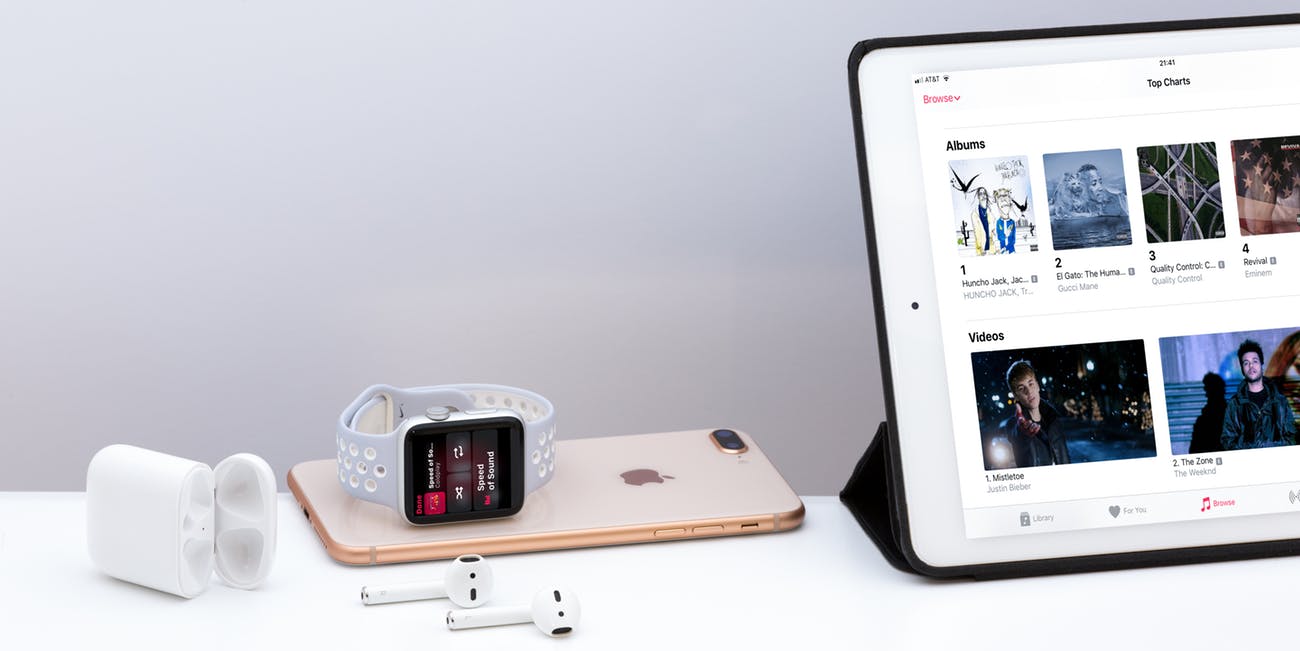
    In the week leading up to Apple’s March event, there were announcements on the website that showed the new devices added to their lineup notably the long overdue iPad mini, the iPad Air and the much-awaited Air pods 2.

    The release of the new Airpods comes at a crucial time as Samsung recently released their own wireless earbuds, the Galaxy buds, into the market. When the Galaxy buds were released, everyone was comparing them with the Apple Airpods and an area where the Airpod was lacking was wireless charging.

    The new set of Airpods however, have this feature built into the new cases and Apple is even selling the wireless case on its own for $79(GHS 422). The new features of the Airpods are all based on changes inside the device so it looks exactly the same as the old ones(sorry for those looking for clout).

    There is a new H1 chip which increases the battery life as its more efficient and allows you to activate Siri hands-free. These improvements make the Airpods a worthy competitor to the Galaxy buds.

    The new iPad mini and the new iPad air are mid-range tablets with fewer features than the 12 inch iPad Pro but each of them have their own target market.

    The new iPad mini comes with the same form factor as the 2015 model which means huge bezels but a fingerprint sensor still remains. The only real difference between the mini 4 might be the A12 bionic and the better cameras. The new iPad also comes with the A12 bionic and liquid retina display with a 10.5” display.

    Both come with support for the 1st Generation pencil only which is kinda lame. The iPad mini starts at $399(2134 Ghana cedis) whiles the iPad Air starts at $499(GHS 2669).

    In the keynote , Apple announced their new subscription services; Apple news+, Apple TV, Apple Arcade and Apple Pay .

    The News+ subscription organizes magazines, journals and many others into one place according to your interests. Apple promises the service to be ad-free and that all recommendations would be done on your phone so Apple doesn’t know anything about your taste.

    Apple Pay is a credit card that offers more infographics than a regular credit card does and what’s more is that their offering 3% cash back on daily purchases which is huge. It does promise to be safer as it requests for biometrics (face, fingerprint) every time a purchase is being made. Like a credit card, however, I think they sought to make money in the Apple store by allowing you to buy on credit and pay later.

    Apple Arcade is a variant of Google Stadia but your phone does all the work. Your phone runs the games on its processor (the A12 bionic chip can handle the majority of the games) and can be streamed or downloaded. The service basically just gives you access to the over 150+ games and supports cross-platform playing (iPhone, iPad, Mac Book).

    Apple TV+ is an app which is kinda like Netflix, basically promising Apple exclusive series at an unnamed price. The service is expected to launch in the fall (September to December). They showed a lot of celebrities in the keynote which promises some exciting releases.

    Apple had a bad 2018 with the iPhone sales even to the point where they refused to publish sale numbers.

    The smartphone market is plateauing as a result of saturation so why not get into the emerging and booming subscription service?

  • Is Cloud Gaming enough to replace consoles right now?

    Is Cloud Gaming enough to replace consoles right now?

    Have you ever imagined playing FIFA 19 on your poorly spec-ed machine which suffers to run FIFA 17? Or even playing PUBG/ Fortnite on your mobile device which can’t even support them?

    Well so have I, and that future is right before us. The big question everyone is asking is how and the answer is cloud gaming.

    Cloud gaming (gaming on demand) is basically a type of online gaming that allows direct and on-demand video streaming of games onto computers, consoles and mobile devices, directly into an app or a web browser.

    The actual game is stored and run on a cloud server with huge processing power and the video results are streamed directly to your personal computer over the internet.

    The concept of cloud gaming is not new, its 3 years old to be specific and started with a makeshift by Sony. Sony first launched the PlayStation now and it was designed to give old gamers a feel of their past with the introduction of legendary PS2 and PS3 games such as Bloodborne or Batman: Arkham City. It’s available on both Windows and PlayStation consoles.

    The gameplay is smooth as long as your connection is stable but a slight reduction in network speed would reset you to your last saved point and that makes the game-play finicky. The service cost $10 a month and $100 dollars a year for 750+games but the lack of download functions for most games still make it a much less appealing deal than the PS plus subscription which offers online multiplayer games.

    At a price of $10 per 100 hours, Vortex is kinda cheap considering the wider variety of games it offers including Battle Royale’s Player Unknown BattleGrounds and Fortnite. Vortex is another cloud gaming service and was designed by Remotr. It can be played on almost all devices although the best experience is on Android phones.

    Microsoft recently jumped into the cloud gaming train last year with their announcement of the Xcloud scheduled to be released in either 2019 or in 2020 with the new Xbox. It is primarily geared towards allowing people to stream AAA games on Android phones which reiterates the point stated by Microsoft that the Xcloud is not intended to compete with consoles.

    This is totally different from the idea that Google portrayed with the launch of the Google Stadia dubbed “the future of gaming is not a box,”.

    Stadia has been set up by Google to “revolutionize” the gaming experience as we know it today if the demo shown is anything to go by such as seamless transfer between multiple devices and loading games in less than 5 seconds.

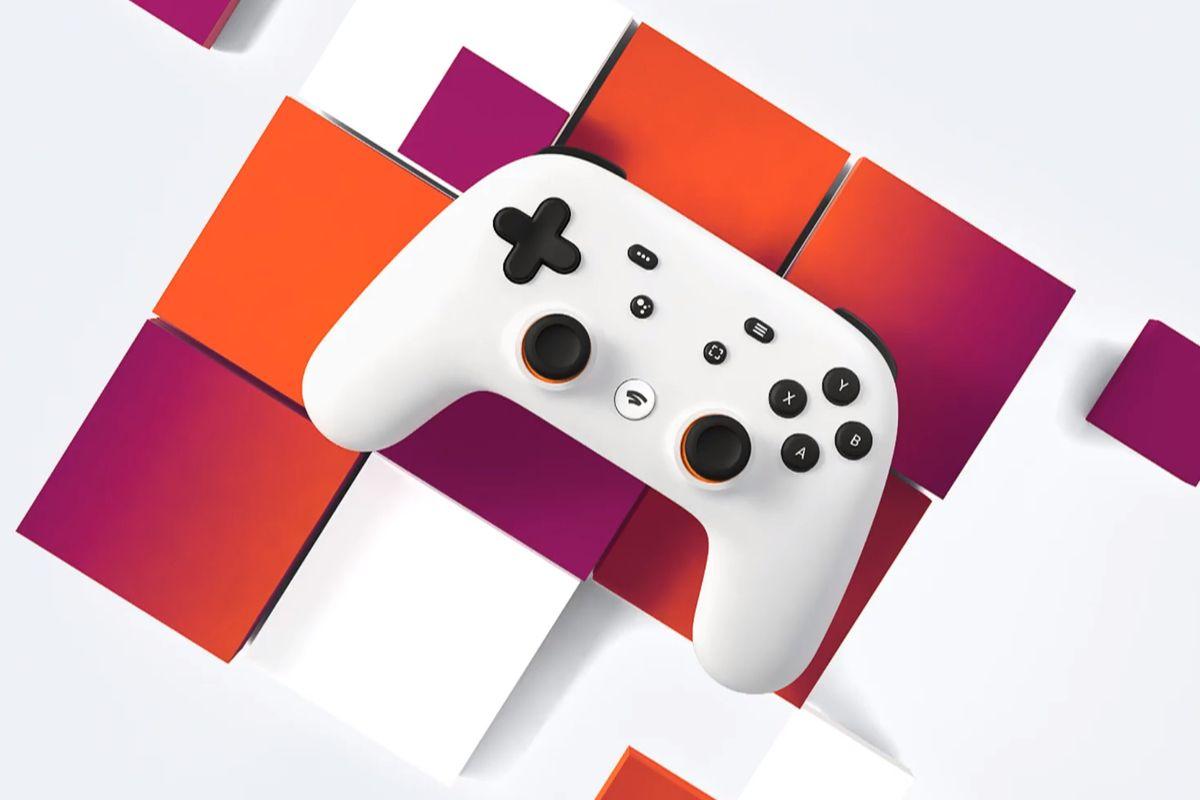
    This is made possible by the 10.2 teraflops GPU which seems capable enough. In terms of input, Stadia supports input from both PS4 and Xbox controllers and the traditional keyboard and mouse for pc. However, Google introduced its own controller with the regular features of any controller but added a Google assistant button and a button to stream live to Youtube.

    The fact that all the gaming happens inside your chrome browser is a bit insane.

    But do the internet speeds around the world support it? I don’t think so. Google Stadia recommends an entry data speed of 25Mbps which is absurdly high for a country like Ghana. Not all our networks even support 4G connection and even the ones that support have been alternating between 4G and 3G. We just aren’t there yet so I doubt it’ll be of much use to us at the moment.

    But with the advent of 5G, it seems like a good time for cloud gaming. Even in that scenario, only a few select cities would get it. Where does that leave the rest of the world? Would cloud gaming be enough to replace your console? I don’t think so.

  • Tech Jabber: A look at the Mobile Gaming Industry

    Tech Jabber: A look at the Mobile Gaming Industry

    Everyone has that childhood memory of playing games on a console whether at home or at the game centre. The pleasures those memories had on us still hold a place in our hearts.

    Gone are the days when the PlayStation,  Xbox and Nintendo were synonymous with gaming. Don’t get me wrong they still are, but now there’s mobile and pc gaming.

    If I told you the mobile gaming industry made more revenue than PC and console gaming or that much more money was invested in the mobile gaming industry than the others? As to why this is so, the reasons are many but let’s dissect the entire shift from console gaming to mobile gaming.

    Gaming has been with us since the beginning but the introduction of faster internet speeds was the genesis of online multiplayer games.

    Initially, most of these were limited to mobile phones such as Clash of Clans and  Hay Day. The console games eventually made an online option for the offline games for example FIFA which had an online portal while other games like Gran Turismo were solely online based.

    It was the internet that gave mobile gaming a boost. Nevertheless, mobile gaming became a window of opportunity that brought many people to the gaming industry and consequently PC and console games.

    The advantages of console gameplay are so clear so why mobile gaming? Bigger display, better frame rates, smooth interface. The biggest difference is even a 4K display. It has been a norm for many TV’s for a while now and even though flagship phones are shipping with 4K screens the battery consumption is twice the 1080p display and not everyone has a flagship phone.

    But where the mobile phone falls short in graphics it makes up in portability. Mobile phones have become so integrated into our lives that we rarely see people without them.

    As people commute from home to school or to work in public transport, they tend to make use of that time to play mobile games. I mean who wants to work on the train? Candy Crush Saga, Temple Run are games that are usually played as they don’t demand that much of attention and thinking.

    The hardcore game such as PUBG, Honor of Kings, Call of duty usually demand much more time and attention and are usually played during breaks at work. The very fact that we can launch ourselves into games anywhere at any time gives mobile devices an edge over the less portable consoles.

    With more portability comes more competition. Everyone loves to brag about how far they’ve progressed in a game to their friends.

    It’s the reason leaderboards exist and some games even go a step further to create a leaderboard among friends. Healthy competition never killed anyone.

    Aside from competing among themselves games now have a squad mode where friends can play against each other. A typical scenario would be a group of teenage boys playing Fortnite or PUBG together after class hours.

    Sure they can do it with a console but the physical presence really makes it feel like a team.

    Another difference between mobile gaming is basically the “initial” price. To start console gaming you need a TV, the console itself and games which aren’t free. Mobile games just require your phone. Many of the mobile games are basically free to download but rather have in-game purchases.

    This makes mobile gaming an easy sell. You just have to use the same device you use to call, to use social media to play games too and that’s really hard to turn down.

    The use of console is not expected to go down any time soon as people are anticipating the PlayStation 5 and the next Xbox with much enthusiasm.

    But then what happens when the world shifts into Virtual reality and Augmented reality? We’ll never know, we just have to wait and see how everything turns out.

  • How to break and survive Phone Addiction

    How to break and survive Phone Addiction

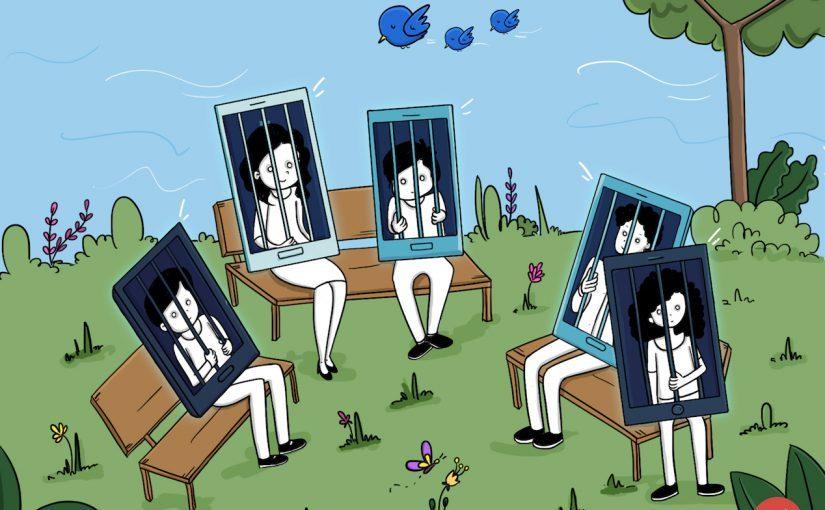
    It’s an open secret that phones which were supposed to be an accessory now take an entirety of time due most likely to social media.

    It isn’t common to find most students and sometimes SHS students on most of these social media and they spend most of their time just waiting for a WhatsApp message or scroll through Instagram photos of their celebrities in dressed they can never wear or using stuff they don’t have.

    Honestly, the idea of social media seems very silly on paper yet racks huge amounts of money due to their ability to keep most people hooked onto the apps. At one point in time, you begin to question if the amount of time on your phones can be justified. If you’ve gotten to this point in your life, then this article is here to show you how best to minimize your screen time.

    Self-actualisation

    The first step to getting out of an addiction is self-actualization.

    And by believing you are spending too much time on your phone we can work a path out. To solve a problem, we need to see how big a deal it is, so our beginning step is to find out how much screen time you spend and what apps spend the most time out of this.

    There are third-party apps on the Google play store and the Appstore such as Usage time, screentime and Zen screen.

    ZenScreen

    ZenScreen has one of the best interfaces you will see with a whole variety of cool features such as calm night(turns the phone off at an appointed time) and quiet time (which turned off the device for a short period of time ).

    It also has a feature to add other smartphones of your kids and regulate their screen on time. The downside is you have to pay for pro after a 3-month free trial but if you don’t have a problem paying 28 cedis a month($4.99) or 270($47.98) a year I guess it becomes the best for you.

    Usage time has a subtle look to it with all the settings on one page and a pie chart of your time at the upper part. It only requests payment of 28 cedis to get rid of ads and to support the developer. Screen time is almost identical to Usage time but has multiple pages to view each function differently. Both of these can lock apps, have app time limits(self-explanatory) and down limits(only a few selected apps would work for a set amount of time).

    All of these apps can help you get a general idea of your phone usage. One thing I found lacking on all these was the feature to know to save our app usage. It would really be of good help to track your usage overtimes and I expected ZenScreen to have such a feature looking at the price tag.

    Because most of the apps mentioned have app limiters and other gimmicks, they are usually enough to manage your time, but there area other stand-alone apps that solely restrict your screen time without actually checking it out.

    Flipd

    My personal favourite is Flipd. It is honestly one of the most aggressive app locks you can ever use. It has a full ock mode where you cannot access anything apart from the app’s interface and its really tough to break out. It’s great for those who have little or no self discipline in using it. It also has a light lock mode if you feel confident enough.

    The amount of time we spend looking at our devices is getting way out of hand. If you channel that time to the right stuff we will be better off in life. As you plan to spend less time on your phone, try and make a daily review so each day is better spent than the previous.

  • What does Vodafone Ghana moving to 4G mean?

    What does Vodafone Ghana moving to 4G mean?

    The early days of 2019 saw an announcement from Vodafone saying they had secured a 4G spectrum from the National Communications Authority(NCA) for $30 million dollars.

    Further down the year, it is anticipated that the 4G connection would be available in the second quarter. But what does this all mean for the telecommunications giant? Can the move be expected to generate more revenue? Will it be a mishap? And what can Vodafone do to exploit this opening?

    The year was 2014, and Ghana was finally joining the 4G train 2 years after the introduction in the UK and the Ghanaian owned Surfline was the ish. Surfline had dominated the industry of 4G for a mere 2 years before MTN joined the bandwagon.

    MTN’s announcement of 4G was a much bigger appeal because of the network’s huge base of customers in the country. Now 3 years later, Vodafone attempts to do the same when the world is clearly preparing to move into 5G. Is it too late?

    Probably not, Ghana is very unlikely to push the move to 5G until 2020 and considering the price of the technology, probably longer. It does mean though, that Vodafone is going to have to try and increase its market share before then.

    Also, the move would mean only AirtelTigo would be left on 3G which is a plus for Ghana. Since the Airtel Tigo merger, Vodafone now has the least market share among the 3 networks and must work extra hard (by riding the 4G wave) to increase its share.

    Can the move be expected to generate more revenue? Well, it is unlikely. With a change from 3G from 4G, data gets relatively expensive. When Surfline was first introduced, it was regarded as the most expensive data provider.

    Then came Busy with almost double the rate of Surfline which needless to say didn’t help the situation. MTN was expensive and is still expensive but because it doubles as a network provider, it worked like a charm and Vodafone should be keen to recreate it.

    All that said, If Vodafone is expected to make a solid move into the 4G era here are a few ideas that could work:

    Improve its network connectivity.

    Despite not having a 4G connection, Vodafone’s network coverage is very shady. It can be fast and it can be slow at times. Customers are always complaining on social media and they should ensure that with the switch to 4G that it improves around the country.

    Personally, I sometimes switch to MTN if my Vodafone network is unstable. If possible, it should give extremely good network connectivity in the major cities of the country as it tries to catch up to MTN.

    Keep tariffs attractive

    When there was an increase in tax late last year, the networks decided to increase the charges on their respective data plans. This didn’t go too well for the Vodafone X users.

    Despite the increase in the price of the bundle, it was still insufficient for a month. The Vodafone X set of bundles is very popular among university students. Vodafone can ensure that its tariffs stay the same during its transition or even better, last longer.

    Broadband future

    Lastly, with the introduction of 4G, Vodafone can aggressively cement its place as the king of broadband.

    MTN, Surfline and other data providers always had an edge over Vodafone but with the advent of 4G, Vodafone can hope to even the playing ground. By giving promotions, and selling more routers, Vodafone can hope to regain their throne.

    Vodafone seems late to the 4G party but with the right amount of effort they can still make it a success.