Category: Tech News

  • Telecel Ghana expands cash agent network in Ashanti Region to boost mobile money access

    Telecel Ghana expands cash agent network in Ashanti Region to boost mobile money access

    Telecel Ghana has announced an expansion of its cash agent network in the Ashanti Region, a move that could improve mobile money access for thousands of residents. The telecom operator is strengthening partnerships with local agents to make it easier for customers to deposit and withdraw cash, especially in areas where bank branches are scarce.

    Why the Ashanti Region matters for mobile money

    The Ashanti Region is one of Ghana’s most populous areas, with a mix of urban centers like Kumasi and many rural communities. Mobile money has become a critical financial tool for many Ghanaians, enabling payments, savings, and transfers without a traditional bank account. However, access to cash-in and cash-out points remains uneven. In remote villages, traveling to a bank or an agent can be time-consuming and costly.

    By expanding its agent network, Telecel Ghana is addressing a practical problem: the last-mile gap in financial services. More agents mean shorter distances for users to convert mobile money to cash or vice versa. This is especially important for small business owners, farmers, and traders who rely on mobile money for daily transactions.

    What the expansion means for users

    For existing Telecel Ghana customers, the expanded network should translate into more convenient locations to perform transactions. Instead of walking long distances or waiting in long queues, users may find an agent closer to their home or workplace. The move also benefits agents themselves, who earn commissions on transactions and can attract more customers.

    While Telecel Ghana has not disclosed the exact number of new agents or specific towns covered, the focus on the Ashanti Region suggests a deliberate strategy to deepen rural penetration. Mobile money usage in Ghana has grown rapidly over the past decade, but rural areas still lag behind urban centers in agent density. This expansion could help narrow that gap.

    It is worth noting that Telecel Ghana operates in a competitive telecom market alongside MTN and other players. MTN has the largest mobile money subscriber base in Ghana, but Telecel’s investment in agent networks signals its ambition to grow its financial services arm. For consumers, more competition often leads to better service and lower fees.

    Practical considerations for users

    If you are a Telecel Ghana customer in the Ashanti Region, here are a few things to keep in mind:

    • Look for branded agents: Telecel Ghana agents typically display the company’s logo or signage. Using authorized agents ensures your transactions are secure and properly recorded.
    • Check transaction limits: Mobile money transactions have daily and per-transaction limits set by the Bank of Ghana. Agents can help you understand these limits.
    • Be aware of fees: While cash-in is often free, cash-out transactions usually attract a small fee. Fees vary by amount and operator.
    • Verify agent availability: Not all agents operate 24/7. It is a good idea to know the operating hours of your nearest agent.

    For those in rural areas, the expansion could also reduce reliance on informal money handlers, who may charge higher fees or pose security risks. Using a licensed Telecel Ghana agent provides a safer alternative.

    The bigger picture for financial inclusion

    Ghana has made significant strides in financial inclusion, with mobile money accounts outnumbering bank accounts in many regions. However, access alone is not enough. The quality of the agent network — its density, reliability, and trustworthiness — determines whether people actually use mobile money for their daily needs.

    Telecel Ghana’s move in the Ashanti Region is a step toward strengthening that network. It aligns with broader industry efforts to bring financial services to underserved populations. The Bank of Ghana has also encouraged telecom operators to expand agent networks as part of its digital financial services strategy.

    For now, the immediate benefit for Ashanti Region residents is more options for where and when to transact. Over time, a robust agent network can support other services like savings, loans, and insurance, which are often delivered through mobile money platforms.

    If you live in the Ashanti Region and use Telecel Ghana, keep an eye out for new agent points in your area. The expansion is ongoing, and more locations may be added in the coming months. For those who do not yet use mobile money, the growing agent network could be a good reason to start.

  • Google Is Using Your Search History for AI Training: How Ghanaians Can Opt Out

    Google Is Using Your Search History for AI Training: How Ghanaians Can Opt Out

    If you use Google Search, your queries may now be helping to train the company’s artificial intelligence models. Google recently updated its privacy policy to allow the use of public data — including search history — to improve its AI systems. For Ghanaian users who value their privacy, this change raises important questions about how personal data is being used.

    The good news is that you can opt out. Here is what you need to know and how to stop Google from using your search history for AI training in three simple steps.

    What Changed in Google’s Privacy Policy

    Google’s updated privacy policy now explicitly states that the company may use publicly available information to train its AI models and build products like Google Translate, Bard, and Cloud AI capabilities. This includes data from Google Search, YouTube, and other public sources.

    For the average Ghanaian user, this means that your search queries — the things you type into Google every day — could be fed into AI training systems. While Google says it uses this data to improve services, privacy advocates worry about the lack of transparency and control.

    It is important to note that Google claims it only uses publicly available information. However, search history is considered public data under the policy, so your queries may be included unless you take action.

    How to Opt Out: A 3-Step Guide for Ghanaian Users

    Opting out is straightforward. Follow these steps to stop Google from using your search history for AI training:

    • Step 1: Go to myaccount.google.com and sign in with your Google account.
    • Step 2: Click on “Data & privacy” in the left menu.
    • Step 3: Under “History settings,” find “Web & App Activity” and turn it off. You can also click on “Manage all Web & App Activity” to delete past data.

    Turning off Web & App Activity prevents Google from saving your search history and using it for AI training. Keep in mind that this may affect personalized search results and recommendations.

    What This Means for Ghanaians

    For many Ghanaians, Google is the primary gateway to the internet. From students researching assignments to small business owners looking for suppliers, search queries often contain sensitive or personal information. Allowing that data to be used for AI training without clear consent is a concern.

    Privacy awareness is growing in Ghana, especially as more people use digital services. Understanding how to control your data is becoming an essential skill. This opt-out process gives users a way to protect their privacy without giving up Google services entirely.

    However, there are limitations. Opting out only stops future data collection. Any data already collected before you turned off Web & App Activity may still have been used for training. Also, Google may still use other public data like YouTube comments or reviews for AI training, which are not covered by this setting.

    If you want to be more thorough, you can also review your YouTube history and location history settings in the same Data & privacy menu.

    What to Watch Next

    As AI becomes more integrated into everyday tools, data privacy will remain a hot topic. Ghanaian users should stay informed about how their data is used and regularly review their privacy settings. Google may also introduce more granular controls in the future, so keep an eye on policy updates.

    For now, the simplest way to protect your search history from AI training is to follow the three steps above. It takes less than five minutes and gives you more control over your personal information.

  • Digital fraud and card disputes top banking complaints in Ghana, says Bank of Ghana report

    Digital fraud and card disputes top banking complaints in Ghana, says Bank of Ghana report

    If you have ever fallen victim to a fraudulent mobile money transaction or had your debit card used without your permission, you are not alone. A new report from the Bank of Ghana shows that digital fraud and card disputes are now the most common complaints from banking customers in the country.

    The central bank’s 2025 report on banking sector complaints highlights a growing problem that affects thousands of Ghanaians. As more people use mobile banking, online payments, and card transactions, the risks have also increased. The report makes it clear that both banks and customers need to take action.

    What the report says about digital fraud and card disputes

    According to the Bank of Ghana, digital fraud cases — including unauthorized transactions, phishing scams, and SIM swap fraud — have risen sharply. Card disputes, where customers report charges they did not authorize, are also among the top complaints. These issues now account for a significant portion of all complaints filed with the central bank.

    The report does not provide exact numbers, but it confirms that the trend is worrying. Many customers lose money before they even realize something is wrong. In some cases, banks take weeks to resolve disputes, leaving customers frustrated and out of pocket.

    For Ghanaian consumers, this means that staying safe requires more than just trusting your bank. You need to be proactive about protecting your accounts and personal information.

    Why this matters for everyday banking in Ghana

    Digital banking has made life easier for many Ghanaians. You can send money, pay bills, and buy goods without visiting a branch. But convenience comes with risks. Fraudsters are constantly finding new ways to trick people into sharing their PINs, passwords, or one-time passwords (OTPs).

    Card disputes are also a growing headache. If your card is cloned or used online without your knowledge, you may only notice when you check your statement. By then, the money may already be gone. The Bank of Ghana report suggests that banks need to improve their fraud detection systems and make it easier for customers to report issues quickly.

    For customers, the message is clear: be careful with your banking details, and report any suspicious activity immediately. The faster you act, the better your chances of recovering your money.

    Practical steps to protect yourself from digital fraud

    While the report focuses on the scale of the problem, it also points to the need for better consumer education. Here are some practical steps every Ghanaian banking customer should take:

    • Never share your PIN or OTP with anyone, even if they claim to be from your bank. Banks never ask for these details.
    • Use strong passwords for your mobile banking app and change them regularly. Avoid using easy-to-guess passwords like your birth date or phone number.
    • Enable transaction alerts so you receive an SMS or notification every time money leaves your account. This helps you spot fraud early.
    • Check your bank statements at least once a month. Look for any transactions you do not recognize and report them immediately.
    • Be careful with public Wi-Fi. Avoid logging into your banking app on unsecured networks, as fraudsters can intercept your data.
    • Keep your phone secure with a screen lock and never leave it unattended. If your phone is lost or stolen, contact your bank and mobile network provider right away.

    These steps may seem basic, but many fraud cases happen because customers let their guard down. A few seconds of caution can save you from losing money.

    What the Bank of Ghana expects from banks

    The report also puts pressure on banks to do more. The central bank expects financial institutions to invest in better fraud detection technology, train staff to handle complaints efficiently, and educate customers about common scams. Banks that fail to address these issues may face regulatory action.

    For customers, this means you have the right to expect faster and fairer treatment when you report a dispute. If your bank does not resolve your complaint within a reasonable time, you can escalate it to the Bank of Ghana.

    The report is a reminder that digital fraud is not just a personal problem — it is a systemic issue that requires everyone to play their part. Banks must strengthen their systems, and customers must stay vigilant.

    As digital banking continues to grow in Ghana, the fight against fraud will only become more important. The best defense is a combination of strong bank security and informed, careful customers. If you have not reviewed your banking habits recently, now is a good time to start.

  • Ghana’s Margins Group Wins Contract to Build The Gambia’s National ID System

    Ghana’s Margins Group Wins Contract to Build The Gambia’s National ID System

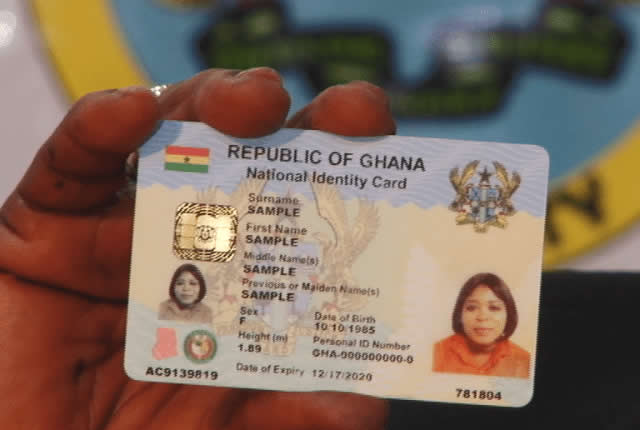
    After years of stalled contracts and a scrapped deal with a Belgian supplier, The Gambia is turning to a Ghanaian firm to fix its broken national identification system. Margins ID Group, a Ghana-based identity management company, has been awarded the contract to build a digital identity system that the Gambian government says will finally be stable — and will stay on Gambian soil.

    The move marks a significant win for a Ghanaian tech company in the West African identity market. For The Gambia, it represents another attempt to solve a problem that has frustrated citizens and governments alike for years.

    The Gambia’s long struggle with digital identity

    The Gambia has been trying to implement a reliable national ID system for over a decade. Previous efforts have been plagued by delays, contract disputes, and technical failures. In one notable case, a contract with a Belgian supplier was cancelled after the company failed to deliver on its promises. The result: Gambians have been left without a trusted, functional identity infrastructure, which affects everything from voting to banking to accessing government services.

    A broken ID system is not just an administrative inconvenience. In practical terms, it means that many Gambians cannot easily prove who they are to open a bank account, register a SIM card, or receive social benefits. It also makes it harder for the government to plan and deliver services efficiently. For a small country with limited resources, a working identity system is a foundational piece of modern governance.

    Why Margins Group?

    Margins ID Group is not a newcomer to the identity space. The company has been involved in similar projects across Africa, including in Ghana itself. The Gambian government has cited Margins’ experience and its willingness to host the system locally as key reasons for the contract award.

    Local hosting is a critical detail. By keeping the data and infrastructure within The Gambia, the government retains control over its citizens’ information and reduces reliance on foreign servers. This addresses both security concerns and sovereignty issues that have been raised in previous deals. It also means that the system can be maintained and supported by local technicians, building long-term capacity.

    The contract is expected to cover the design, deployment, and maintenance of the digital identity platform. While specific financial terms have not been disclosed, the deal is seen as a vote of confidence in Ghanaian tech expertise.

    What this means for Ghana’s tech ecosystem

    For Ghana’s technology sector, this contract is a positive signal. It shows that Ghanaian companies can compete for and win government contracts beyond the country’s borders. Margins Group’s success could open doors for other Ghanaian firms in the identity, fintech, and software services space.

    It also highlights a growing trend: African governments are increasingly looking to African companies for solutions to local problems. Instead of defaulting to European or Asian suppliers, countries like The Gambia are choosing partners that understand the regional context, regulatory environment, and user needs.

    However, the project is not without risks. Implementing a national ID system is a complex, multi-year undertaking. Margins Group will need to navigate political changes, infrastructure limitations, and public skepticism. The Gambia’s history with ID projects means that the company will be under pressure to deliver quickly and reliably.

    For now, the contract is a promising development. If successful, it could serve as a model for other African nations looking to overhaul their identity systems. It also reinforces the idea that Ghanaian tech companies can play a leading role in Africa’s digital transformation.

    Gambians will be watching closely to see if this time, the system works. For Margins Group, the stakes are high — but so is the potential reward.

  • How Mobile Money Merchant Solutions Are Helping Ghana’s SMEs Grow and Access Finance

    How Mobile Money Merchant Solutions Are Helping Ghana’s SMEs Grow and Access Finance

    Small and medium-sized enterprises (SMEs) are often described as the backbone of Ghana’s economy. They create jobs, drive innovation, and keep local supply chains running. But many of them still struggle with basic financial tools — keeping records, getting paid on time, and accessing loans to expand. According to MobileMoney Fintech LTD (MMFL), the company behind MTN Mobile Money, digital payment solutions are changing that picture.

    Speaking ahead of the 2026 World SME Day, MMFL’s Chief Commercial and Operations Officer (CCOO) highlighted how mobile money merchant solutions are helping SMEs unlock growth and improve their access to finance. The message is clear: the same phone that many Ghanaians use for everyday transactions can now serve as a business tool that opens doors.

    What Mobile Money Merchant Solutions Offer SMEs

    Mobile money merchant solutions allow businesses to accept payments from customers via mobile wallets. Instead of handling cash, a shop owner, food vendor, or service provider can receive money directly into their mobile money account. For many SMEs in Ghana, this is a significant shift.

    The CCOO explained that these solutions help businesses improve operational efficiency. When payments go digital, there is less time spent counting cash, making change, or running to the bank. Transactions are recorded automatically, which makes bookkeeping easier and more accurate. This is especially helpful for small businesses that may not have dedicated accounting staff.

    Beyond day-to-day operations, digital payment records create a financial history. Banks and microfinance institutions often require proof of revenue before they approve loans. With mobile money transaction logs, SMEs can show their cash flow without needing formal financial statements. This can make it easier to access credit and other financial services.

    Why This Matters for Ghana’s Business Environment

    Ghana has one of the most advanced mobile money markets in Africa. According to the Bank of Ghana, mobile money transactions have grown rapidly over the past decade. Yet many SMEs still operate mostly in cash. The MMFL executive’s comments suggest that the company sees a big opportunity in converting these businesses to digital payments.

    For the average Ghanaian business owner, the benefits are practical. Accepting mobile money can reduce the risk of theft and robbery, since there is less cash on the premises. It can also make transactions faster, especially when customers do not have exact change. And because mobile money is widely used across the country, even in rural areas, it can help businesses reach customers who may not have bank accounts or credit cards.

    The CCOO also noted that these solutions can strengthen financial management. Many mobile money platforms offer tools that let business owners track sales, monitor expenses, and generate reports. This kind of data is valuable not just for running the business day to day, but also for planning and growth.

    Challenges and What SMEs Should Consider

    While the advantages are clear, adopting mobile money merchant solutions is not always straightforward. Some business owners worry about transaction fees, network reliability, or the need for a smartphone. Others may be concerned about customer privacy or data security.

    MMFL’s comments did not address these challenges directly, but they are worth noting. SMEs that want to make the switch should start by understanding the fees involved and comparing different merchant options. They should also ensure they have a reliable internet connection or mobile network signal, especially if they operate in areas with patchy coverage.

    Training staff to use the system properly is another important step. A simple mistake — like entering the wrong amount or failing to confirm a payment — can lead to disputes or lost revenue. Business owners should also keep their own records alongside the digital logs, at least until they are confident in the system.

    What This Means for the Future of SME Finance in Ghana

    The MMFL executive’s remarks come at a time when financial inclusion is a priority for policymakers and fintech companies alike. The government and the Bank of Ghana have launched initiatives to support digital payments and SME lending. Mobile money merchant solutions fit into this larger picture by creating a bridge between everyday transactions and formal financial services.

    For SMEs, the message is that digital payments are not just a convenience — they are a tool for building a financial identity. Every transaction recorded on a mobile money platform is evidence of business activity. Over time, that evidence can help a business qualify for loans, insurance, or other products that were previously out of reach.

    As more SMEs in Ghana adopt these solutions, the hope is that they will find it easier to grow, hire more staff, and contribute even more to the economy. The technology is already in place. The next step is for business owners to take advantage of it.

    For now, the key takeaway for Ghanaian entrepreneurs is simple: if you are not yet using mobile money to accept payments, it may be time to consider it. The benefits go beyond convenience — they could be the key to unlocking the finance your business needs to grow.

  • MTN Ghana launches unlimited fibre packages for home internet users

    MTN Ghana launches unlimited fibre packages for home internet users

    MTN Ghana has introduced new Unlimited Fibre packages for home internet users, offering speed-based plans with no data caps. The move comes as more Ghanaians rely on home broadband for work, school, and entertainment.

    What the new packages offer

    The new plans are built around speed tiers rather than data limits. Subscribers choose a package based on the internet speed they need, and they can use as much data as they want within that speed bracket. This is a shift from traditional capped plans where users pay for a fixed amount of data.

    MTN says the packages are designed to give households faster connectivity, greater flexibility, and better value. The exact speed tiers and pricing have not been detailed in the announcement, but the focus is on providing unlimited usage at consistent speeds.

    Why this matters for Ghanaian households

    Home internet demand has grown significantly in Ghana over the past few years. More people work remotely, attend online classes, stream videos, and run small businesses from home. Capped data plans often force users to monitor their usage or buy top-ups when they run out. Unlimited packages remove that worry.

    For families with multiple users, unlimited fibre can mean smoother video calls, faster downloads, and less buffering during peak hours. It also simplifies budgeting since the monthly cost is fixed regardless of how much data is consumed.

    Fibre internet is generally more stable and faster than mobile broadband, making it suitable for heavy usage. However, fibre availability is still limited to areas with the necessary infrastructure. MTN has been expanding its fibre network in Ghana, but not all neighbourhoods are covered yet.

    What to consider before signing up

    Before choosing a plan, users should check if fibre is available in their area. MTN’s website or customer service can confirm coverage. Also, while the packages are unlimited, speeds may be deprioritized after a certain usage threshold, depending on the plan. It is worth asking about fair usage policies.

    Speed-based plans mean that the faster the speed tier, the higher the monthly fee. Households should assess their typical internet needs. A family that streams 4K video and plays online games may need a higher speed tier than one that mainly browses and emails.

    Installation of fibre requires a technician visit and may involve a one-time fee. Existing MTN fibre customers may be able to switch to the new plans, but it is best to confirm with the provider.

    The launch of unlimited fibre packages is a positive step for home internet in Ghana. It gives consumers more choice and removes the stress of data limits. As competition among internet service providers remains strong, users can expect more innovations in pricing and service quality.

    For now, anyone considering a home fibre connection should compare MTN’s new unlimited packages with other available options to find the best fit for their household.

  • KAIPTC launches AI cyber security project to protect Ghana and Africa from digital threats

    KAIPTC launches AI cyber security project to protect Ghana and Africa from digital threats

    Cyber attacks are becoming more common across Africa, and Ghana is not immune. From mobile money fraud to ransomware targeting businesses, the threats are real and growing. That is why the Kofi Annan International Peacekeeping Training Centre (KAIPTC) in Accra has launched a new project that uses artificial intelligence to strengthen cyber security on the continent.

    The project, announced recently, aims to tackle a range of digital dangers including fraud, ransomware, and other cyber threats. For ordinary Ghanaians, this could mean safer mobile money transactions, more secure online banking, and better protection for personal data when using e-services.

    Why AI for cyber security?

    Traditional cyber security methods often rely on known patterns of attacks. But cyber criminals are constantly changing their tactics. AI can help by learning from new threats in real time and spotting suspicious activity before it causes harm. For example, an AI system might detect unusual transactions on a mobile money platform and block them instantly, preventing fraud.

    The KAIPTC project is designed to build capacity across Africa, not just in Ghana. This is important because cyber threats do not respect borders. A scammer operating from one country can target victims in another. By working at a continental level, the project aims to create a stronger defence network.

    What this means for mobile money and e-services

    Mobile money is a lifeline for millions of Ghanaians. Services like MTN MoMo, Vodafone Cash, and AirtelTigo Money are used for everything from paying bills to receiving salaries. But as usage grows, so does the risk of fraud. Common scams include phishing messages that trick users into sharing their PINs, or fake agents who steal money.

    The AI cyber security project could help reduce these risks. By analysing patterns of fraud, AI tools can identify suspicious behaviour and alert service providers. This means faster response times and fewer successful attacks. For users, it could translate into more confidence when using digital financial services.

    Similarly, e-services like online shopping, government portals, and health platforms stand to benefit. Many Ghanaians now use digital platforms for essential services, and a security breach can have serious consequences. The KAIPTC project aims to make these platforms safer for everyone.

    Challenges and next steps

    While the project is promising, it is not a magic bullet. AI systems require large amounts of data to work effectively, and they need to be constantly updated. There is also the challenge of skills. Ghana and other African countries need more cyber security experts who understand AI. The KAIPTC project includes a training component to address this gap.

    Another challenge is awareness. Even the best AI system cannot protect users who fall for simple scams. Education remains critical. Users need to know how to spot phishing attempts, why they should never share their PIN, and how to report suspicious activity.

    The project is still in its early stages, and details about timelines and specific partners have not been fully disclosed. However, the launch signals a serious commitment to tackling cyber threats using modern technology.

    For now, Ghanaians can take simple steps to protect themselves: use strong passwords, enable two-factor authentication where available, and be cautious of unsolicited messages asking for personal information. As the KAIPTC project develops, it may bring new tools and resources that make digital life safer for everyone.

  • MTN Ghana names Richard Acheampong to lead home services division

    MTN Ghana names Richard Acheampong to lead home services division

    MTN Ghana has announced the appointment of Richard Acheampong as its new Chief Home Officer, effective 1 November 2025. The role signals the telecom operator’s continued focus on expanding its home connectivity and fixed broadband services in Ghana.

    What the Chief Home Officer role means

    The Chief Home Officer position is relatively new for MTN Ghana. It is responsible for overseeing the company’s home services portfolio, which includes fixed broadband, fibre-to-the-home, and other residential connectivity products. As more Ghanaians work, study, and entertain themselves from home, reliable internet access has become a necessity rather than a luxury.

    Acheampong will be expected to drive the growth of MTN’s home internet subscriber base and improve service quality for existing customers. His appointment comes at a time when demand for high-speed home internet is rising across urban and peri-urban areas in Ghana.

    Who is Richard Acheampong?

    Richard Acheampong is not new to MTN Ghana. He has held several leadership roles within the company, most recently as General Manager for Sales and Distribution. His experience in managing sales channels and customer reach will be valuable in expanding home service adoption.

    Before joining MTN, Acheampong worked in the banking and telecommunications sectors, giving him a broad understanding of both customer needs and operational challenges. His background suggests he is well placed to bridge the gap between technical service delivery and customer experience.

    Why this matters for Ghanaian consumers

    For everyday MTN customers, the appointment may translate into better home internet packages, improved customer support, and faster installations. MTN has been investing in fibre infrastructure in Accra, Kumasi, and other major cities, but coverage gaps remain. A dedicated executive focused on home services could accelerate network expansion and address pain points such as downtime and slow repair times.

    Small businesses that operate from home may also benefit. Reliable broadband is essential for e-commerce, remote work, and digital services. If Acheampong’s team can deliver consistent quality, it could help more Ghanaians participate in the digital economy.

    What to watch next

    While the appointment is effective from November 2025, it is worth watching whether MTN Ghana announces new home internet products or promotions in the coming months. Competitors like Vodafone Ghana and Telecel Ghana are also expanding their fixed broadband offerings, so MTN will need to stay competitive on price and speed.

    For now, the move shows that MTN Ghana is treating home connectivity as a strategic priority. Customers should expect clearer communication about home service plans and possibly faster response times for faults and installations.

    As Acheampong steps into the role, the real test will be whether he can turn strategy into tangible improvements for the millions of Ghanaians who rely on MTN for their daily internet connection.

  • NITA Opens Early Talks on Ghana’s Electronic Document Wallet Project

    NITA Opens Early Talks on Ghana’s Electronic Document Wallet Project

    The National Information Technology Agency (NITA) has announced an Early Market Engagement (EME) exercise for the proposed Ghana Electronic Document Wallet (GEDW) Ecosystem. The virtual session is scheduled for Thursday, 25 June 2026, and is open to participants from both the public and private sectors.

    This is not a procurement or bidding event. Instead, it is an opportunity for NITA to gather input from potential users, technology providers, and other interested parties before finalizing the design and implementation of the system. The goal is to ensure the GEDW meets the needs of Ghanaians and aligns with existing digital infrastructure.

    What Is the Ghana Electronic Document Wallet?

    The GEDW is envisioned as a national digital platform that allows individuals and businesses to store, manage, and share official documents electronically. Think of it as a secure digital folder for things like birth certificates, driver’s licenses, academic certificates, tax clearance certificates, and business registration documents.

    Instead of carrying physical copies or submitting paper documents every time you need to prove your identity or qualifications, the wallet would let you access and share verified digital versions from your phone or computer. This could simplify processes like applying for a loan, registering a business, enrolling in school, or verifying credentials for a job.

    For the system to work, it needs to be trusted. That means strong security, clear rules about who can access what, and integration with the government databases that already hold this information. NITA’s early engagement is a step toward building that trust by involving stakeholders before the system is built.

    Who Should Participate and Why It Matters

    NITA is casting a wide net. The invitation covers government ministries, departments, and agencies (MDAs), as well as private sector organizations, tech companies, financial institutions, and civil society groups. Even individual citizens who are interested in digital identity and data security may find value in attending.

    For businesses, especially those in fintech, banking, and insurance, the GEDW could reduce the cost and time spent verifying customer documents. Instead of manually checking paper certificates or relying on third-party verification services, a business could request a document directly from the user’s wallet and instantly confirm its authenticity.

    For ordinary Ghanaians, the wallet could mean fewer trips to government offices, less paperwork, and faster service. It could also reduce the risk of losing important documents or having them damaged. However, the success of such a system depends on how well it addresses concerns about privacy, data protection, and accessibility — especially for people without smartphones or reliable internet.

    The EME is a chance for stakeholders to raise these issues and suggest practical solutions. NITA has not yet published a detailed agenda or list of discussion topics, but participants can expect to learn about the proposed architecture, security measures, and potential use cases.

    What to Expect from the Virtual Engagement

    The event will be held online, which makes it easier for people across the country to join. NITA has not specified the platform or how to register, but interested parties should monitor NITA’s official channels for details. Given that the date is still some time away, there is room for preparation.

    During the session, NITA is likely to present the current thinking on the GEDW and then open the floor for questions, suggestions, and concerns. This is not a one-way briefing; the agency wants active participation. For stakeholders, this is a chance to influence a project that could reshape how Ghana handles official documents for years to come.

    If you represent an organization that deals with document verification, digital identity, or data management, this is a worthwhile event to attend. Even if you are an individual with expertise or strong opinions on digital governance, your voice could help shape a system that serves everyone better.

    As Ghana pushes forward with digital transformation initiatives like the Ghana Card and paperless port systems, the Electronic Document Wallet could become another pillar of the country’s digital infrastructure. But it will only work if it is built with input from the people who will actually use it. NITA’s early engagement is a promising start.

  • MTN Ghana CEO: Fibre cable cuts now biggest threat to network quality

    MTN Ghana CEO: Fibre cable cuts now biggest threat to network quality

    For many Ghanaians, a dropped call or slow internet has become frustratingly common. Now, MTN Ghana’s CEO Stephen Blewett has publicly identified the main culprit: deliberate damage to fibre-optic cables. In a recent statement, Blewett described the problem as the company’s “primary operational hurdle” and revealed that 157 network sites have been disrupted due to cable cuts.

    The scale of the problem

    Fibre-optic cables are the backbone of modern telecommunications. They carry huge amounts of data that make mobile money, video calls, and internet browsing possible. When these cables are cut — often by construction work, road digging, or vandalism — entire communities can lose connectivity.

    According to Blewett, the 157 affected sites represent a significant portion of MTN’s infrastructure. Each cut not only disrupts service for thousands of users but also requires costly repairs and rerouting of traffic. The CEO stressed that this is not a minor issue but a crisis that is “actively degrading the digital lives of millions of Ghanaians.”

    Who is affected and why it matters

    MTN Ghana is the country’s largest mobile network operator, serving millions of subscribers. When its fibre network is damaged, the impact is felt across the economy. Businesses that rely on stable internet for transactions, students attending online classes, and families using mobile money all experience interruptions.

    Fibre cuts also affect the reliability of services like MoMo (Mobile Money), which has become essential for daily payments and savings. For many Ghanaians without bank accounts, a disrupted network means they cannot send or receive money when they need to.

    The problem is not unique to MTN. Other operators face similar challenges, but as the market leader, MTN’s struggles have the widest consequences.

    What is being done

    Blewett did not announce new solutions in detail, but he made it clear that MTN is treating the issue as a top priority. The company is likely increasing patrols of fibre routes, working with local authorities to prevent accidental cuts, and investing in backup systems to reroute traffic when cuts occur.

    However, the CEO’s public statement suggests that current efforts are not enough. The 157 disrupted sites indicate that the problem is widespread and persistent. For customers, this means that until a more permanent solution is found, intermittent service issues may continue.

    What customers can do

    While the responsibility for protecting fibre cables lies mainly with network operators and government agencies, users can take some steps to minimise the impact on their own connectivity:

    • Report cuts promptly: If you notice a damaged cable or ongoing construction near fibre lines, report it to MTN’s customer service. Quick reporting can speed up repairs.
    • Use multiple networks: If your work or business depends on reliable internet, consider having a backup SIM from another operator. This can help you stay connected when MTN’s network is down.
    • Stay informed: Follow MTN Ghana’s official social media channels for updates on outages. The company sometimes provides estimated restoration times.

    Looking ahead

    The fibre cable crisis is a reminder that Ghana’s digital infrastructure is still vulnerable. As more people come online and demand for data grows, the need for robust, protected networks becomes even more urgent. Blewett’s frank admission may push for greater collaboration between telecom companies, city authorities, and the public to safeguard the cables that keep the country connected.

    For now, MTN users should expect that service disruptions may happen from time to time — but knowing the cause can help manage expectations and encourage everyone to play a part in protecting the network.