Category: Tech News

  • Ghana Launches National Research Fund: What It Means for Tech Innovators

    Ghana Launches National Research Fund: What It Means for Tech Innovators

    Ghana has officially launched a National Research Fund aimed at supporting research and development across various sectors, including technology. For startups, developers, and researchers in the country, this could open new doors for funding and collaboration.

    What the Fund Offers

    The National Research Fund is designed to provide financial support for research projects that have the potential to drive innovation and economic growth. While specific details about the fund size, application process, and eligibility criteria are still emerging, the initiative signals a government commitment to strengthening Ghana’s research ecosystem.

    For tech startups, this means there may be opportunities to secure grants for product development, proof-of-concept studies, or applied research that addresses local challenges. Developers and engineers working on novel solutions in areas like agriculture, health, finance, or education could find the fund relevant to their work.

    Who Should Pay Attention

    This fund is particularly important for early-stage tech ventures that often struggle to access capital for research-intensive activities. Unlike typical startup funding that focuses on scaling, research grants can support the foundational work needed to build robust, locally relevant technologies.

    Researchers at universities and research institutions may also benefit, especially those collaborating with industry partners to commercialize their findings. The fund could help bridge the gap between academic research and market-ready products.

    Practical Steps for Interested Applicants

    While the official guidelines are not yet fully public, potential applicants can start preparing now:

    • Identify a clear problem: Focus on challenges that are specific to Ghana or the West African region. Projects with strong local relevance are more likely to be considered.
    • Build a strong team: Collaboration between tech experts, domain specialists, and researchers can strengthen proposals.
    • Prepare a basic research outline: Even without full details, having a well-defined research question, methodology, and expected outcomes will save time when applications open.
    • Monitor official channels: Keep an eye on announcements from the Ministry of Education or the National Research Fund secretariat for updates on application windows and criteria.

    What This Means for Ghana’s Tech Ecosystem

    The creation of a dedicated research fund is a positive step for Ghana’s innovation landscape. It acknowledges that research is a critical driver of technological progress and economic diversification. For too long, many promising ideas in Ghana have stalled due to lack of early-stage research funding. This fund could help change that.

    However, the success of the fund will depend on how accessible it is to small teams and how efficiently the disbursement process works. Startups and researchers should stay informed and be ready to apply as soon as the details are released.

    For now, the National Research Fund represents a new opportunity for Ghanaian innovators to turn their ideas into impactful solutions. Those who prepare early will be in the best position to take advantage.

  • MTN Ghana completes mobile money separation, sets stage for fintech growth

    MTN Ghana completes mobile money separation, sets stage for fintech growth

    MTN Ghana has officially completed the structural separation of its mobile money business, a move that could reshape the country’s fintech landscape. The separation, announced by Scancom PLC (MTN Ghana), means the mobile money operations will now operate as a distinct entity within the group, separate from the core telecom business.

    This development is not just a corporate restructuring. It has practical implications for millions of Ghanaians who rely on mobile money for daily transactions, savings, and even loans. By ring-fencing the mobile money unit, MTN Ghana aims to improve governance, risk management, and focus on financial services — potentially leading to better products and more innovation.

    What the separation means for users

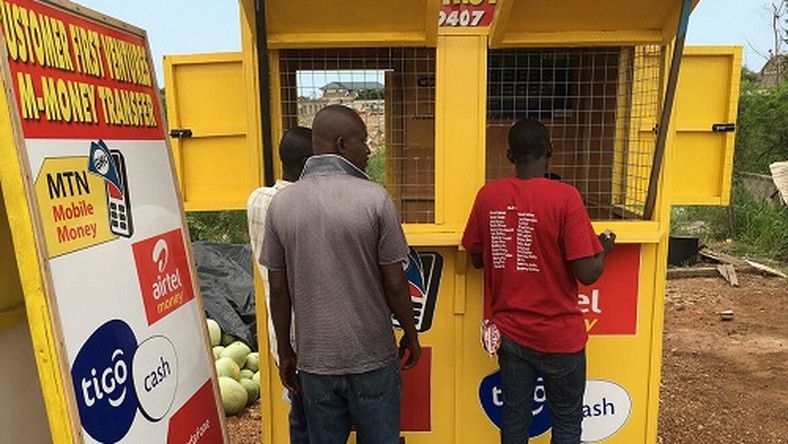
    For the average mobile money user, the change may not be immediately visible. You will still use the same MoMo wallet, dial the same short codes, and visit the same agents. However, behind the scenes, the separation creates a clearer structure for how mobile money is managed and regulated.

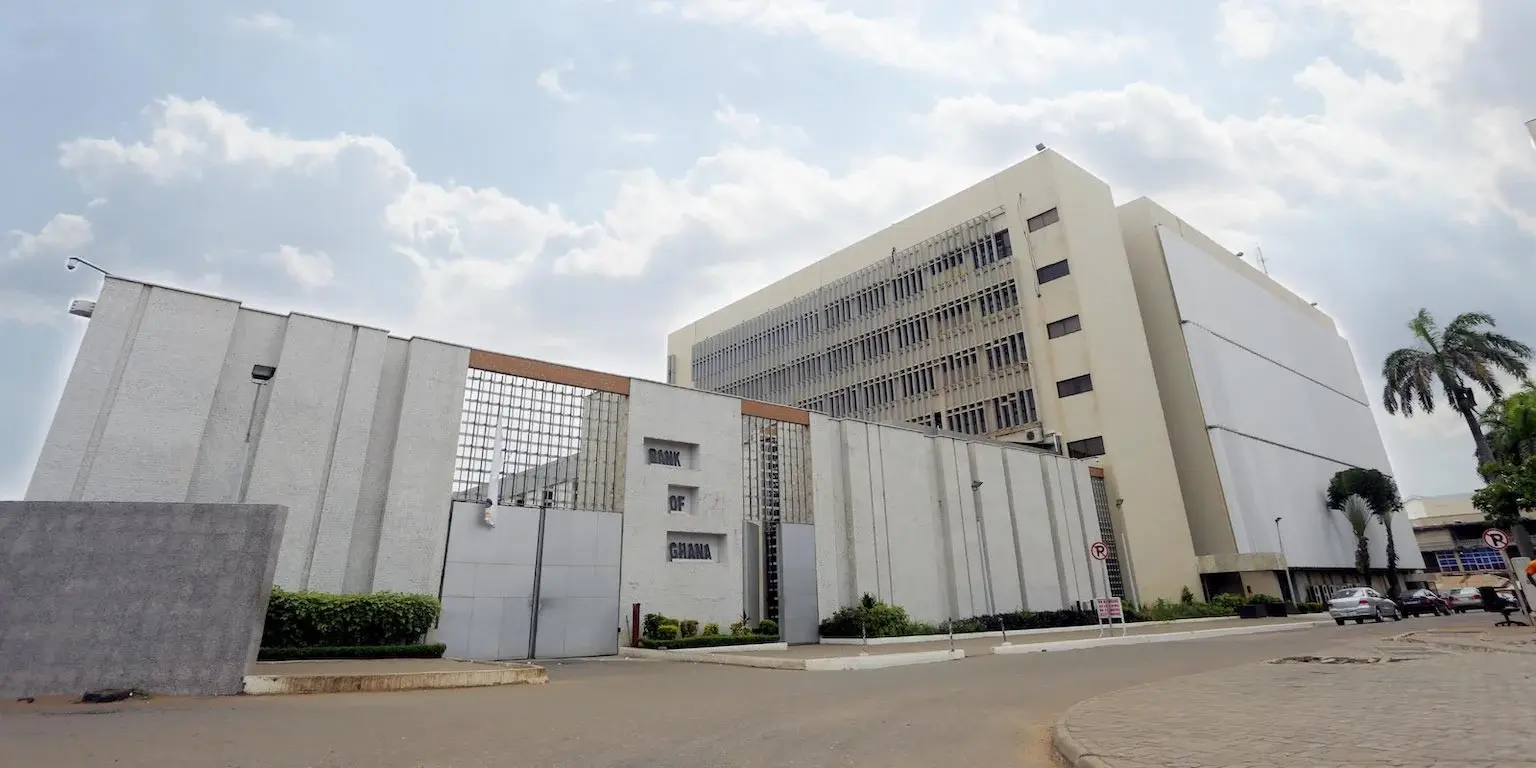
    One key benefit is that the mobile money business can now pursue partnerships and investments more nimbly, without being tied to telecom-specific constraints. This could mean faster introduction of new features like savings products, insurance, or credit services tailored to Ghanaian users. It also makes it easier for regulators like the Bank of Ghana to oversee mobile money as a financial service rather than a telecom add-on.

    Another important angle is financial inclusion. Mobile money has been a gateway to banking for many Ghanaians who lack access to traditional bank branches. A separate fintech-focused entity could double down on reaching underserved populations, especially in rural areas where agent networks are already strong.

    Regulatory and industry implications

    The separation aligns with global trends where telecom operators spin off their mobile money units to comply with regulatory requirements and unlock value. In Ghana, the Bank of Ghana has been pushing for stricter oversight of mobile money operators, including requirements for separate accounting and governance. MTN Ghana’s move positions it well to meet these expectations.

    For the broader fintech ecosystem, this could be a positive signal. A dedicated mobile money entity may be more open to collaborating with local fintech startups, sharing APIs, or co-creating solutions. It also reduces the risk that mobile money profits are used to cross-subsidize other telecom operations, which some critics have raised concerns about.

    However, there are still questions. How will the separated entity be structured? Will it have its own board and management? What about the role of agents — will they now deal with two different companies? MTN Ghana has not yet released detailed operational plans, so stakeholders will be watching closely.

    What to watch next

    With the separation complete, the next steps will be critical. MTN Ghana may seek a separate license for the mobile money business, which could open the door for outside investment or even a future listing. The company has previously indicated interest in expanding fintech services beyond payments, including lending and savings.

    For competitors like Vodafone Cash and AirtelTigo Money, the separation raises the bar. They may need to consider similar moves to stay competitive and compliant. For consumers, the hope is that increased focus on fintech leads to lower fees, better service, and more innovative products.

    In the meantime, if you use MoMo, you don’t need to do anything. Your wallet and transactions remain unchanged. But over the coming months, expect to hear more about new services and partnerships that could make mobile money even more useful in your daily life.

  • UBA Ghana Hosts First Fintech Conference: What It Means for Digital Banking

    UBA Ghana Hosts First Fintech Conference: What It Means for Digital Banking

    UBA Ghana is stepping into the fintech conversation in a bigger way. The bank has announced its first-ever fintech conference, an event that brings together industry players, regulators, and technology enthusiasts to discuss the future of digital banking and payments in Ghana.

    The conference, themed “Banking Beyond Borders,” is set to explore how financial technology is reshaping the way Ghanaians save, send, and spend money. With mobile money already deeply embedded in daily life, the event aims to look at what comes next — from cross-border payments to digital lending and beyond.

    Why a Fintech Conference Matters Now

    Ghana’s financial services landscape has changed rapidly over the past few years. Mobile money transactions now run into billions of cedis monthly, and more people are using banking apps, payment cards, and digital wallets. Yet many still face barriers: high transaction costs, limited access to credit, and difficulties sending money across borders.

    UBA Ghana’s conference is an attempt to address these gaps head-on. By gathering stakeholders from banks, fintech startups, telecom companies, and regulatory bodies, the event creates a platform for collaboration. For the average Ghanaian, this could mean better products, lower fees, and more convenient services down the line.

    The bank has not released the full agenda or list of speakers yet. But the focus on “beyond borders” suggests that cross-border payments and financial inclusion for the unbanked will be key topics. Given that many Ghanaians rely on remittances from abroad, any innovation in this area could have a direct impact on households.

    What Attendees Can Expect

    While specific details are still limited, the conference is expected to feature panel discussions, presentations, and networking sessions. Participants will likely hear from experts on topics such as:

    • Digital payment trends in Ghana and across Africa
    • Regulatory frameworks that support fintech growth
    • How banks and fintechs can partner to reach more customers
    • The role of data and artificial intelligence in financial services

    For fintech founders and developers, the event offers a chance to connect with potential partners and investors. For consumers, the outcomes could shape the next generation of banking products — from app-based loans to seamless international transfers.

    UBA Ghana has not announced a date or venue for the conference yet. Those interested in attending or participating should watch the bank’s official channels for updates.

    What This Means for Ghana’s Fintech Ecosystem

    UBA is one of the largest banks in Africa, with a strong presence in Ghana. By hosting a fintech conference, the bank signals that it sees technology as central to its future strategy. This move also reflects a broader trend: traditional banks are no longer just competing with each other. They are also competing with mobile money operators, payment startups, and even tech companies entering finance.

    For Ghana’s fintech ecosystem, more collaboration between banks and startups is generally a positive sign. It can lead to faster innovation, better regulation, and more choices for consumers. However, challenges remain. Many fintechs struggle with funding, regulatory hurdles, and building trust with users. Events like this conference can help address some of those issues by opening dialogue.

    If you are a business owner, a developer, or simply someone interested in how money moves in Ghana, this conference is worth paying attention to. The conversations that happen there could influence the financial tools you use in the coming years.

    For now, the key takeaway is this: UBA Ghana is investing in fintech conversations, and that is a signal that digital banking in Ghana is only going to get more interesting. Keep an eye out for the event date and details — and if you can, plan to attend.

  • Google Street View Ghana Gets Its Biggest Update in Nearly a Decade

    Google Street View Ghana Gets Its Biggest Update in Nearly a Decade

    If you have used Google Maps to navigate Ghana in recent years, you may have noticed that Street View imagery was often outdated or missing in many areas. That has changed. Google has just pushed its largest Street View update for Ghana in almost ten years, bringing fresh imagery to several cities and popular locations across the country.

    What the Update Covers

    The update adds Street View coverage for new areas and refreshes existing imagery in places like Accra, Kumasi, and other major towns. Landmarks, roads, and neighbourhoods that were previously unavailable or showed old scenes now have more recent views. This means you can virtually walk through parts of Ghana that were not accessible on Street View before.

    For example, if you wanted to check the route to a new restaurant or see what a hotel looks like from the street, the updated imagery gives you a better idea of the current environment. The refresh also includes improved image quality in some locations, making details like street signs and building fronts clearer.

    Why This Matters for Navigation and Tourism

    Street View is not just a fun tool for exploring. It has practical uses for everyday navigation. When you are trying to find a place in an unfamiliar area, seeing the actual street and buildings helps you recognise landmarks and avoid wrong turns. For delivery drivers, ride-hailing operators, and logistics companies, accurate Street View imagery can reduce confusion and save time.

    For tourism, the update is a boost. Potential visitors can now preview destinations more realistically. A hotel, a museum, or a beach resort that was previously a blank spot on the map can now be explored virtually. This helps tourists plan trips and gives local businesses a way to showcase their surroundings. The update also supports Ghana’s efforts to promote domestic and international tourism by making the country more visible on a global platform.

    Real estate is another area that benefits. People looking to rent or buy property can use Street View to inspect neighbourhoods without travelling there first. This is especially useful for those relocating within Ghana or from abroad.

    What Has Not Changed

    While the update is significant, it does not cover every corner of the country. Rural areas and smaller towns may still have limited or no Street View imagery. Google has not announced plans for further updates, so some regions remain without coverage. Also, the imagery is not live — it was captured at some point in the past, so you may still see scenes that are a few months or even a year old. For the most part, however, the new data is far more current than what was available before.

    If you want to see the updated areas, open Google Maps on your phone or computer, drop the yellow Pegman icon onto a road in Accra, Kumasi, or other updated locations, and explore. The difference in quality and coverage is noticeable.

    What to Keep in Mind

    Street View relies on cars or other vehicles equipped with cameras driving through streets. That means some narrow roads, pedestrian-only areas, or places with poor road conditions may still be missing. Google has not specified exactly which cities or landmarks were added, so you may need to check specific areas yourself. The update is rolling out gradually, so not all users may see the new imagery immediately.

    For now, this is a welcome improvement for anyone who uses Google Maps in Ghana. Whether you are a driver, a traveller, a business owner, or just curious about what your neighbourhood looks like from above, the refreshed Street View gives you a better window into the country.

  • Enza Secures Payments License from Bank of Ghana, Plans Summer Launch

    Enza Secures Payments License from Bank of Ghana, Plans Summer Launch

    Fintech infrastructure company Enza has been awarded a payments license by the Bank of Ghana, marking its entry into one of Africa’s most closely watched digital payments markets. The company is now targeting a summer launch for its services in the country.

    What the License Means for Enza and Ghana

    The license allows Enza to operate as a payments service provider in Ghana, a market where mobile money and digital payments have seen rapid growth. For Enza, this approval is a key regulatory step that enables it to offer its infrastructure solutions to businesses and financial institutions in the country.

    Ghana’s digital payments ecosystem has been expanding, driven by mobile money adoption and increasing smartphone usage. The Bank of Ghana has been active in regulating the space, issuing licenses to both local and international players to ensure compliance and consumer protection.

    Enza joins a growing list of international fintech firms that have secured licenses to operate in Ghana. The company’s focus on infrastructure means it is likely to provide backend services that help other businesses offer payment solutions, rather than directly serving consumers.

    What to Expect from Enza’s Summer Launch

    Enza has not yet disclosed specific products or services it will offer at launch. However, as a payments infrastructure company, its offerings may include payment processing, API-based solutions, or tools for businesses to integrate digital payments into their platforms.

    The summer launch timeline suggests that Enza is in the final stages of setting up its operations in Ghana. Businesses and developers looking for payment infrastructure options may want to watch for Enza’s announcements in the coming months.

    For Ghana’s fintech sector, the entry of another infrastructure player could mean more choices for businesses seeking reliable payment systems. It also signals continued international interest in Ghana’s digital economy.

    What This Means for Ghana’s Fintech Ecosystem

    Ghana has become a competitive market for digital payments, with mobile money operators, banks, and fintechs all vying for users. The Bank of Ghana’s licensing regime has helped create a structured environment where licensed players can operate with clear rules.

    Enza’s license is a vote of confidence in Ghana’s regulatory framework and market potential. For local businesses, more infrastructure providers could lead to better pricing, more innovation, and improved reliability in payment services.

    However, the company will face established competitors and will need to differentiate its offerings. The summer launch will be an important milestone to watch.

    As Enza prepares to go live, Ghanaian businesses and fintech observers will be keen to see what specific solutions the company brings to the market and how it plans to compete in a crowded space.

  • Chimoney Shuts Down, Then Gets Acquired: What Ghana Users Should Know

    Chimoney Shuts Down, Then Gets Acquired: What Ghana Users Should Know

    Chimoney, a fintech platform that allowed users to send money and gift cards across Africa, shut down in May 2025. Weeks later, the company was acquired. For Ghanaians who relied on Chimoney for cross-border payments, the news raises questions about what comes next.

    What Happened to Chimoney

    Chimoney announced its shutdown in May, citing operational challenges. The platform had been a popular option for sending money to and from Ghana, offering low fees and support for mobile money, bank transfers, and gift cards. Many users in Ghana used Chimoney to receive payments from freelancing or family abroad.

    Shortly after the shutdown, Chimoney was acquired by an undisclosed buyer. The terms of the acquisition have not been made public, and it is unclear whether the platform will be revived or integrated into another service.

    What This Means for Ghana Users

    For Ghanaians who had funds in their Chimoney accounts at the time of shutdown, the acquisition may offer a path to recovering their money. However, details about how existing balances will be handled have not been released. Users are advised to monitor official channels for updates.

    The shutdown also means that Ghanaians who relied on Chimoney for cross-border payments need to find alternatives. Popular options include:

    • WorldRemit – supports mobile money and bank transfers in Ghana.
    • Sendwave – allows direct transfers to mobile money wallets.
    • Remitly – offers competitive exchange rates for transfers to Ghana.
    • MTN Mobile Money – can receive international transfers via partnerships.

    Each service has its own fees, exchange rates, and transfer limits, so users should compare before choosing.

    Lessons for Ghana’s Fintech Ecosystem

    Chimoney’s shutdown and quick acquisition highlight the volatility of the fintech space. Startups can grow fast but also face sudden challenges. For Ghanaian users, it is a reminder to avoid keeping large balances in any single platform and to diversify the services they use.

    Regulators in Ghana have been working to strengthen oversight of digital financial services. The Bank of Ghana’s sandbox and licensing framework aim to protect consumers while encouraging innovation. Chimoney’s situation may prompt more scrutiny of fintech stability.

    For now, Ghanaians who used Chimoney should check their accounts for any remaining funds and explore alternative services. The acquisition could lead to a relaunch, but until official details emerge, caution is wise.

    Stay tuned for updates as more information becomes available about Chimoney’s future and how it may affect Ghanaian users.

  • PawaPay Hits 3 Billion Transactions: What It Means for Mobile Money in Ghana

    PawaPay Hits 3 Billion Transactions: What It Means for Mobile Money in Ghana

    Mobile money has come a long way from being just a tool for sending airtime or small amounts to family. Today, it powers everything from market payments to utility bills and business transactions. A clear sign of this shift is the latest milestone from payments aggregator PawaPay, which has now processed over three billion transactions.

    For Ghanaian readers, this number is more than just a headline. It reflects how mobile money has become the backbone of everyday commerce, not just in Ghana but across the continent. PawaPay works with mobile money operators, businesses, and developers to make digital payments seamless. Its growth shows that more people and companies are relying on mobile money for real economic activity.

    Why Three Billion Transactions Matter

    Three billion transactions is a massive figure. To put it in context, it means that PawaPay has handled billions of individual payments, from a customer buying groceries to a business paying suppliers. This scale suggests that mobile money is no longer a niche service but a mainstream payment method.

    For Ghana, where mobile money penetration is high, this milestone reinforces the importance of having reliable payment infrastructure. Services like PawaPay help connect different mobile money networks, making it easier for users to send and receive money across platforms. This interoperability is crucial for a country where MTN Mobile Money dominates but other networks also have users.

    The milestone also indicates trust. Businesses and consumers are willing to use digital payments for larger and more frequent transactions. That trust is built on years of improving security, reducing downtime, and expanding agent networks.

    What This Means for Ghanaian Businesses and Users

    For Ghanaian entrepreneurs, especially those running small and medium-sized enterprises, a payment aggregator like PawaPay can simplify operations. Instead of integrating separately with each mobile money operator, a business can use one API to accept payments from multiple networks. This reduces technical complexity and costs.

    For everyday users, the benefit is convenience. When you pay for goods or services using mobile money, you may not see the aggregator working behind the scenes, but it ensures your transaction goes through quickly and securely. As more businesses adopt aggregators, users will find it easier to pay with their preferred mobile money provider.

    There are also implications for financial inclusion. Mobile money has brought banking services to millions of Ghanaians who previously had no access to formal financial systems. Aggregators like PawaPay extend that reach by enabling more merchants to accept digital payments, which encourages people to keep money in their mobile wallets rather than cash.

    The Road Ahead for Mobile Money Aggregation

    PawaPay’s achievement is a signal that the mobile money ecosystem is maturing. But there is still room for growth. Many transactions in Ghana and across Africa remain cash-based. Converting those to digital payments requires continued investment in infrastructure, education, and trust.

    For Ghana, the next steps could include deeper integration with other financial services like savings, credit, and insurance. Aggregators can play a role here by providing the payment rails that these services run on. As the ecosystem expands, users may see more options for borrowing, saving, and investing directly from their mobile money accounts.

    Another area to watch is cross-border payments. With aggregators like PawaPay already operating across multiple African countries, the potential for seamless regional payments is growing. For Ghanaian traders and businesses that deal with customers or suppliers in other African nations, this could reduce the cost and hassle of moving money across borders.

    For now, the three billion transaction mark is a reminder that mobile money is not just a passing trend. It is a fundamental part of how Africa does business. Ghana, with its high mobile money adoption, is well positioned to benefit from this ongoing shift.

    If you are a business owner in Ghana, now might be a good time to explore how payment aggregators can help you accept mobile money more efficiently. If you are a consumer, you can expect even more merchants to accept digital payments in the near future. The infrastructure is growing, and the numbers show it is here to stay.

  • MTN Ghana Slashes Fibre Broadband Prices: New Rates and What It Means for You

    MTN Ghana Slashes Fibre Broadband Prices: New Rates and What It Means for You

    If you have been holding back on getting a fibre broadband connection because of the cost, now might be the right time to reconsider. MTN Ghana has announced a price cut across its fibre broadband plans, making high-speed internet more affordable for households and businesses.

    The move comes as competition in the fixed broadband space heats up, with more Ghanaians working and studying from home. A cheaper fibre option could help bridge the gap for those who rely on stable, fast internet for daily activities.

    What Are the New Prices?

    MTN has reduced the monthly subscription fees for its fibre packages. The entry-level plan, which previously cost GH₵ 299 per month, now goes for GH₵ 199. That is a drop of GH₵ 100, or about 33 percent.

    For the mid-tier plan, the price has been cut from GH₵ 399 to GH₵ 299 per month. The top-tier plan, which offers the highest speeds, now costs GH₵ 499 instead of GH₵ 599.

    These new rates apply to new customers signing up for MTN fibre, as well as existing subscribers who may be on older, more expensive plans. It is worth checking with MTN to see if you can switch to the new pricing.

    Who Benefits Most from the Price Cut?

    The biggest winners are households and small businesses that need reliable internet but found the previous prices too steep. With the entry plan now under GH₵ 200, more families can afford a dedicated fibre connection instead of relying solely on mobile data.

    For remote workers and online learners, a stable fibre line means fewer dropped calls during video meetings and faster downloads for course materials. Small business owners who run e-commerce stores or handle digital payments will also appreciate the improved reliability compared to mobile broadband.

    That said, fibre is still not available everywhere. MTN’s fibre network is concentrated in major cities like Accra, Kumasi, and Tema. If you live outside these areas, you may not be able to access the service yet. The price cut does not change the coverage footprint.

    How to Switch from Another ISP

    If you are currently using a different internet service provider and want to move to MTN fibre, the process is straightforward. You will need to check if MTN fibre is available at your location. You can do this by visiting an MTN service centre or calling their customer care line.

    Once availability is confirmed, you will need to sign up for a plan and schedule an installation. MTN typically handles the installation within a few days. There is no need to cancel your existing ISP before the new connection is active, so you can avoid a gap in service.

    Keep in mind that switching providers may involve a contract or early termination fee with your current ISP. It is a good idea to review your existing agreement before making the move.

    What This Means for the Broadband Market

    MTN’s price reduction puts pressure on other fibre providers like Vodafone and Busy to adjust their own pricing. If they do not respond, they risk losing customers to MTN. For consumers, this could lead to even better deals in the coming months.

    However, price is not the only factor. Reliability, customer support, and installation speed also matter. MTN has been expanding its fibre network and improving service quality, but experiences can vary by location. It is wise to ask neighbours or colleagues about their experience with MTN fibre before committing.

    For now, the lower prices make MTN fibre a more attractive option for anyone in a covered area who values speed and stability. If you have been waiting for a reason to switch, this price cut might be it.

  • What Every Rider Should Know About Moving Their Bike

    What Every Rider Should Know About Moving Their Bike

    Moving your motorcycle is not something you want to leave to chance. Whether it’s a cross-country relocation, a move for a new job, or transporting a new purchase home, there are several important factors to consider before handing your bike over to someone else. Taking the time to understand your options, prepare your motorcycle, and choose the right transport method can make all the difference in ensuring your bike arrives safely and on time.

    Choosing the Right Transport Method

    Motorcycles can be moved in a variety of ways, from enclosed trailers to open carriers and even specialty motorcycle shipping services. Enclosed transport offers maximum protection from weather, road debris, and potential damage, making it ideal for long-distance moves or high-value bikes. Open transport is more cost-effective but leaves your bike exposed to the elements. Some riders also opt for crated shipping, where the bike is secured in a wooden crate for maximum stability. The best method for you depends on your budget, distance, and the level of protection you want.

    Why Professional Transport Can Be Worth It

    While some riders may be tempted to move their bike themselves using a truck or trailer, professional motorcycle transportation services often provide a safer and more reliable option. Trained transporters have the right equipment, secure tie-down systems, and experience handling different types of bikes. This expertise helps reduce the risk of scratches, dents, or other damage during the journey. Using a trusted service for Alabama motorcycle transportation ensures that your bike is handled by people who understand its value, both financially and sentimentally.

    Preparing Your Bike for the Move

    Preparation is one of the most important steps in the transportation process. Start by giving your motorcycle a thorough cleaning so you can easily spot any existing scratches or marks before the move. Take clear photos of your bike from multiple angles for documentation. Remove any loose accessories such as saddlebags, GPS units, or custom mirrors to prevent loss or damage. It’s also wise to check tire pressure, secure the battery, and reduce the fuel level to around a quarter tank for safety reasons.

    Understanding Costs and Timelines

    The cost of moving a motorcycle depends on factors like distance, transport type, and seasonal demand. Longer distances and enclosed transport usually come at a higher price, but the extra protection may be worth it. Timelines can also vary, especially if your bike is being shipped alongside other vehicles in a multi-stop route. Always get a written estimate and ask about possible delays before confirming your booking. If you have a specific deadline, make sure the transporter is aware and can commit to meeting it.

    Insurance and Peace of Mind

    Before you hand over your bike, check what kind of insurance coverage is included in the transport service. Many professional transporters provide coverage for accidental damage, but the terms can vary. It’s a good idea to review your own motorcycle insurance policy to see if it offers additional protection during transit. Having the right coverage in place will give you peace of mind while your bike is on the move.

    Staying Informed During the Journey

    A reputable transporter should keep you updated on the progress of your motorcycle’s journey. Some companies even offer GPS tracking so you can see exactly where your bike is at any time. Staying informed can make the wait easier and help you prepare for its arrival. When your bike is delivered, inspect it thoroughly before signing off on the shipment.

    Final Thoughts

    Moving your motorcycle doesn’t have to be stressful if you plan ahead, choose the right transport method, and work with a reputable service. From understanding costs and timelines to preparing your bike for the journey, each step plays a role in ensuring a smooth process. By taking the time to do it right, you can rest easy knowing your bike will arrive in the same condition it left—ready for your next ride.

  • What is zone 14 in football?

    What is zone 14 in football?

    Zone 14 in football refers to a specific area on the pitch that is crucial in modern tactical setups. At 1xBet you can find online betting on everything that happens in various areas of the football field too.

    It is located centrally, just outside the opponent’s penalty box, roughly between the two penalty area lines but more towards the center than the wings. Imagine the penalty area as a rectangle, zone 14 sits right outside the top of this box, in the central channel between the 2 penalty arcs, essentially the space just before the “D” of the penalty area. At 1xBet online you can start betting in plenty of football matches as well.

    The golden zone

    Why is zone 14 so important? This zone is often called the “golden zone” because it’s where many attacking moves are initiated or finished. It offers a perfect vantage point for players to see the entire attacking third and make critical decisions. If you try convenient 1xBet app it will also be possible to bet on what players do in this part of the field too.

    From this spot, players can do 3 things:

    • execute key passes;
    • create scoring chances;
    • or take shots at goal

    Because it’s so centrally located, controlling zone 14 means having influence over the main attacking thrust. Other aspects from football are also available for betting if you try the convenient 1xBet app too.

    An area where the best players operate

    In tactical terms, managers place high value on players who can work effectively in zone 14. These are often attacking midfielders, “number 10s,” or creative playmakers. Their role is to exploit this space by finding pockets of time and space, receiving the ball, and distributing it to wide players or forwards or trying their luck with direct shots on goal. The 1xBet platform is also packed withlive bettingoptions on different kinds of football players too.

    Defensively, teams aim to prevent opponents from comfortably controlling zone 14 because it can lead to dangerous attacking opportunities. Pressing in this area can disrupt the rhythm of the opposition’s attack and limit their ability to create clear chances.

    Famous players have excelled in zone 14, with 3 examples being Andrés Iniesta, Kevin De Bruyne and Mesut Özil. They have used their vision and technical skill to dominate this critical part of the pitch. Coaches design their team’s shape and movement to gain superiority in this area, recognizing its impact on the game’s outcome.

    As it can be seen, zone 14 is a central attacking zone just outside the opponent’s penalty area that plays a pivotal role in creating goal-scoring opportunities. This makes it one of the most strategically important spaces on a football pitch, and what happens here is available for betting at 1xBet live too.