Category: Tech News

  • MTN Ghana and Telecel Set to Bid for 5G Spectrum as Government Ends Exclusive Deal

    MTN Ghana and Telecel Set to Bid for 5G Spectrum as Government Ends Exclusive Deal

    Ghana’s mobile network landscape is about to shift. The government has decided to end a ten-year exclusive concession held by a state-backed provider for 5G spectrum. This move clears the way for MTN Ghana and Telecel to submit bids for 5G licenses in the coming weeks.

    For years, the exclusive arrangement limited competition and kept 5G deployment in the hands of one operator. Now, with the concession scrapped, the country’s two dominant carriers can directly apply for the spectrum needed to roll out next-generation mobile services.

    What This Means for Mobile Users

    5G promises faster download and upload speeds, lower latency, and the ability to connect many more devices at once. For everyday users in Ghana, this could mean smoother video streaming, quicker file downloads, and more reliable connections in crowded areas. Businesses may also benefit from improved connectivity for remote work, IoT applications, and digital services.

    However, 5G adoption will not happen overnight. Even after licenses are awarded, operators will need to invest in infrastructure, including new base stations and fiber backhaul. Coverage will likely start in major cities like Accra and Kumasi before expanding to other regions. Users will also need 5G-compatible phones, which are still more expensive than 4G devices.

    Competition Could Drive Better Offers

    With both MTN Ghana and Telecel vying for spectrum, competition may lead to more attractive pricing and service packages. MTN Ghana is the market leader with the largest subscriber base, while Telecel has been expanding its network and services. A direct bidding process could push both companies to offer better value to win customers.

    That said, the cost of acquiring spectrum and building 5G networks is high. Operators may initially focus on premium plans or data-heavy users to recoup their investment. Budget-conscious consumers might not see immediate benefits, but over time, as 5G becomes more widespread, prices are expected to drop.

    Background on the Exclusive Concession

    The exclusive concession was originally granted to a state-backed provider, which had sole rights to 5G spectrum for ten years. This arrangement limited the ability of other operators to enter the 5G market. Critics argued it stifled competition and slowed down the rollout of advanced mobile services in Ghana.

    By scrapping the concession, the government is opening up the market. This aligns with broader efforts to improve digital infrastructure and increase internet access across the country. The move also signals a more competitive telecom environment, which could attract further investment.

    What to Watch Next

    The bidding process is expected to take place in the coming weeks. Both MTN Ghana and Telecel will need to submit detailed proposals, including their plans for coverage, pricing, and technology deployment. The National Communications Authority (NCA) will evaluate the bids and award the spectrum licenses.

    Once awarded, the real work begins. Operators will need to secure sites for towers, obtain permits, and install equipment. Ghanaian users should keep an eye on announcements from MTN and Telecel about their 5G rollout timelines and compatible devices.

    For now, the end of the exclusive concession is a positive step toward faster and more widely available mobile internet in Ghana. But the full impact will only be clear once the networks are live and users can experience 5G for themselves.

  • Meta’s Free AI Image Generator Muse Is Now Available in Ghana

    Meta’s Free AI Image Generator Muse Is Now Available in Ghana

    Meta has quietly made its AI image generator, Muse, available to users in Ghana. The tool, which is free to use, lets anyone create images simply by describing what they want in text. You can access Muse through the Meta AI app or directly within Instagram.

    How Muse Works and What It Can Do

    Muse is built on Meta’s AI technology and works like other popular image generators. You type a description — for example, “a Ghanaian woman in kente cloth standing in front of a castle” — and the tool generates an image based on that prompt. The results are often surprising and creative, though not always perfect.

    The tool is designed to be easy to use. You don’t need any technical skills or design experience. Just open the Meta AI app or Instagram, find the Muse option, type your prompt, and wait a few seconds for the image to appear. You can then save it, share it, or edit it further.

    For Ghanaian creators, small business owners, or anyone who needs quick visuals for social media posts, presentations, or personal projects, Muse could be a handy resource. Instead of hiring a designer or spending hours searching for stock photos, you can generate custom images on the spot.

    Privacy Concerns You Should Know About

    While the tool is exciting, it also raises questions about privacy and data use. Meta has faced scrutiny over how it handles user data, and AI tools like Muse require input — your text prompts — to function. The company says it uses prompts to improve the model, but it is not always clear what happens to the images you generate or the data you provide.

    There is also the issue of how Meta might use images you upload or create. If you use Muse to edit a photo you already have, that photo may be processed by Meta’s servers. Users should be cautious about uploading sensitive or personal images.

    Another concern is the potential for misuse. Like any AI image generator, Muse can be used to create misleading or harmful content. Meta says it has safety measures in place, but no system is foolproof. Ghanaian users should think twice before generating images that could be used to spread false information or impersonate someone.

    Who Should Use Muse and How to Get Started

    If you are a content creator, marketer, or just someone curious about AI, Muse is worth trying. It is free, so there is no financial risk. You can experiment with different prompts to see what the tool can do.

    To get started, download the Meta AI app from your app store, or open Instagram and look for the AI features. The Muse option should appear in the creative tools section. Type a clear, descriptive prompt for best results. For example, instead of “a dog,” try “a golden retriever puppy playing on a beach in Accra.”

    Keep in mind that the tool may not always produce exactly what you imagined. AI image generation is still evolving, and results can be unpredictable. But with practice, you can learn to craft prompts that give you better images.

    What This Means for Ghana’s AI Landscape

    Meta’s decision to make Muse available in Ghana is a sign that global tech companies are paying attention to African markets. Ghana now joins a growing list of countries where Meta’s AI tools are accessible. This could encourage more local developers and entrepreneurs to build on top of AI technology.

    However, the availability of such tools also highlights the need for digital literacy. As AI becomes more common, Ghanaians need to understand both the possibilities and the risks. Knowing how to use tools like Muse responsibly — and how to protect your privacy — is becoming an important skill.

    For now, Muse is a fun and useful addition to the creative tools available in Ghana. Just remember to use it wisely and keep an eye on your data.

  • GH¢3.4 million lost to online investment scams in Ghana in six months

    GH¢3.4 million lost to online investment scams in Ghana in six months

    Online investment scams are costing Ghanaians millions of cedis. According to the Cyber Security Authority (CSA), victims lost a total of GH¢3.4 million to such fraud in just six months. The figure highlights a growing threat that targets everyday people looking for ways to grow their money.

    How the scams work

    Fraudsters often set up fake investment platforms that promise unusually high returns in a short time. They use social media, messaging apps, and even phone calls to lure victims. Once someone invests, the scammers may show fake profits to encourage more deposits. Eventually, the platform disappears, and the investor cannot withdraw any money.

    The CSA warns that many of these schemes operate without any regulatory approval. They may claim to be registered with the Bank of Ghana or other bodies, but these claims are false. Some scammers even use the names of legitimate companies to appear trustworthy.

    Who is at risk

    Anyone can fall for these scams, but they often target people who are new to investing or desperate for quick returns. Students, young professionals, and retirees have all been victims. The promise of easy money can be hard to resist, especially when friends or family members appear to be making profits.

    The GH¢3.4 million loss is likely an undercount, as many victims do not report the crime due to shame or fear of embarrassment. The actual amount lost could be much higher.

    How to protect yourself

    The CSA advises Ghanaians to take the following steps before investing in any online opportunity:

    • Verify the company’s registration. Check with the Bank of Ghana or the Securities and Exchange Commission to see if the platform is licensed.
    • Be skeptical of high returns. If an investment promises returns that are much higher than what banks or reputable funds offer, it is likely a scam.
    • Do not rush. Scammers create urgency to pressure you into investing quickly. Take your time to research.
    • Check for red flags. Poor website design, lack of contact information, and spelling errors can be signs of a fake platform.
    • Talk to someone you trust. Before sending money, discuss the opportunity with a friend, family member, or financial advisor.

    What to do if you have been scammed

    If you suspect you have lost money to an online investment scam, report it to the Cyber Security Authority immediately. The CSA has a dedicated reporting system on its website. You should also contact your bank to try to stop any further transactions. While recovering lost funds is difficult, reporting helps the authorities track down scammers and warn others.

    The GH¢3.4 million loss in six months is a stark reminder that online investment fraud is a serious problem in Ghana. By staying informed and cautious, you can avoid becoming the next victim.

  • DVLA Staff Charged in GH¢308K MoMo Theft: What You Need to Know to Stay Safe

    DVLA Staff Charged in GH¢308K MoMo Theft: What You Need to Know to Stay Safe

    Two staff members of the Driver and Vehicle Licensing Authority (DVLA) have been charged in connection with the alleged theft of GH¢308,000 through mobile money transfers. The case has raised fresh concerns about the security of mobile money accounts in Ghana, especially as digital financial services become more embedded in daily life.

    According to reports, the suspects are accused of using their positions to facilitate unauthorized transactions. While the full details of the alleged scheme are still emerging, the incident serves as a reminder that mobile money fraud can take many forms — and that users need to stay vigilant.

    How Mobile Money Theft Happens

    Mobile money fraud often exploits human trust or system loopholes. In some cases, fraudsters trick users into sharing their PIN or one-time password (OTP). In others, they may gain access to a phone or SIM card. The DVLA case appears to involve insiders who may have had access to sensitive information or systems.

    Common methods used by fraudsters include:

    • Phishing calls or messages that pretend to be from your mobile network operator and ask for your PIN or OTP.
    • SIM swap scams where a fraudster convinces your network to activate your number on a new SIM, then resets your MoMo PIN.
    • Insider collusion where employees of organizations that handle customer data use that information to initiate unauthorized transactions.

    In the DVLA case, the alleged theft involved a large sum, suggesting that the perpetrators may have had access to multiple accounts or a high-value target.

    Practical Steps to Protect Your MoMo Account

    While you cannot control what happens inside an organization, you can take steps to make your mobile money account harder to compromise.

    • Never share your PIN or OTP with anyone, even if they claim to be from your network or a government agency. Legitimate organizations will never ask for these details.
    • Set transaction limits on your MoMo account. Most networks allow you to set a daily or per-transaction limit. Keeping it low reduces the amount a fraudster can take in one go.
    • Use a strong PIN that is not easy to guess. Avoid using your birth year, phone number, or simple patterns like 1234.
    • Enable transaction alerts so you receive an SMS or notification every time money leaves your account. This helps you spot unauthorized activity quickly.
    • Keep your phone secure with a screen lock. If your phone is stolen, a thief cannot easily access your MoMo app without the lock code.
    • Register your SIM in your name and ensure your details are up to date. This makes it harder for someone to perform a SIM swap.
    • Report lost or stolen phones immediately to your network operator and the police. Quick action can prevent further losses.

    If you notice any unauthorized transaction, contact your mobile network’s customer service right away. Most operators have a fraud hotline. You should also file a report at the nearest police station.

    What This Case Means for Mobile Money Users

    The involvement of DVLA staff highlights a broader risk: fraud can come from people you might trust because of their official position. It is a reminder that no organization is immune to internal security breaches.

    For mobile money users, the key takeaway is to treat your account details as strictly private. Even if someone claims to be from a government agency or a well-known company, do not share your PIN or OTP. If in doubt, call the official customer service number of your network to verify.

    Mobile money remains a convenient and widely used financial tool in Ghana. But as with any financial service, it comes with risks. Staying informed about common scams and following basic security practices can go a long way in protecting your money.

    As investigations into the DVLA case continue, it is a good time to review your own mobile money security habits. A few minutes of precaution today could save you from significant losses tomorrow.

  • Grey Now Lets Ghanaians Deposit in Cedis Directly – What It Means for Freelancers and Diaspora

    Grey Now Lets Ghanaians Deposit in Cedis Directly – What It Means for Freelancers and Diaspora

    Grey, the fintech platform popular among freelancers and remote workers for receiving international payments, has added a feature that makes it more useful for Ghanaians. Users can now deposit money directly into their Grey accounts in Ghanaian cedis and Kenyan shillings.

    Previously, Grey focused on helping people receive payments in foreign currencies like US dollars, euros, and pounds, and then convert them to local currencies. The new local-currency deposit option changes the game for those who earn in cedis or shillings but still want to use Grey’s services for spending or sending money abroad.

    How Local-Currency Deposits Work

    With this update, Ghanaians can add cedis to their Grey wallet just as they would with a mobile money or bank transfer. The money sits in their account in cedis until they decide to convert it to another currency or use it for payments. This removes the need to first convert to a foreign currency and then back, saving on conversion fees.

    For freelancers who sometimes get paid in cedis by local clients, this is a practical addition. Instead of juggling multiple wallets or bank accounts, they can keep all their funds in one place and only convert when necessary.

    Who Benefits Most

    The feature is especially useful for:

    • Freelancers and remote workers who receive payments in both cedis and foreign currencies. They can now manage everything from one Grey account.
    • Diaspora Ghanaians sending money home. If a relative in Ghana has a Grey account, they can receive cedis directly without the sender having to convert first.
    • Small business owners who deal with international suppliers or customers. They can hold cedis for local expenses and convert only what they need for foreign payments.

    For the diaspora, this could reduce the cost of sending money to Ghana. Instead of using traditional remittance services that charge high fees and offer poor exchange rates, a sender can transfer funds to a Grey account in cedis, and the recipient gets the full amount with no hidden charges.

    What This Means for the Ghanaian Fintech Space

    Grey’s move shows that fintech companies are paying attention to the needs of Ghana’s growing freelance and remote work community. Many Ghanaians work for international companies or platforms like Upwork and Fiverr, and they need efficient ways to receive and manage their earnings.

    Local-currency deposits also make Grey more competitive with mobile money services and traditional banks. While mobile money is widely used for everyday transactions, it often has limits on international transfers. Grey bridges that gap by offering both local and foreign currency capabilities in one app.

    However, users should note that Grey is not a bank. Funds held in Grey accounts are not insured by the Ghana Deposit Protection Scheme. It is best used as a tool for receiving and converting payments, not as a long-term savings account.

    How to Get Started

    To use the new feature, existing Grey users in Ghana can simply log in and select the option to deposit in cedis. New users need to sign up and complete verification. The process is similar to adding money to a mobile money wallet.

    Grey has not announced any fees for local-currency deposits, but users should check the app for any charges that may apply. Conversion rates for changing cedis to other currencies are displayed before you confirm a transaction, so you always know what you are getting.

    This update is a step forward for financial inclusion in Ghana. By making it easier to hold and use local currency alongside foreign currencies, Grey is helping Ghanaians participate more fully in the global digital economy.

  • Telecel Ghana expands cash agent network in Ashanti Region to boost mobile money access

    Telecel Ghana expands cash agent network in Ashanti Region to boost mobile money access

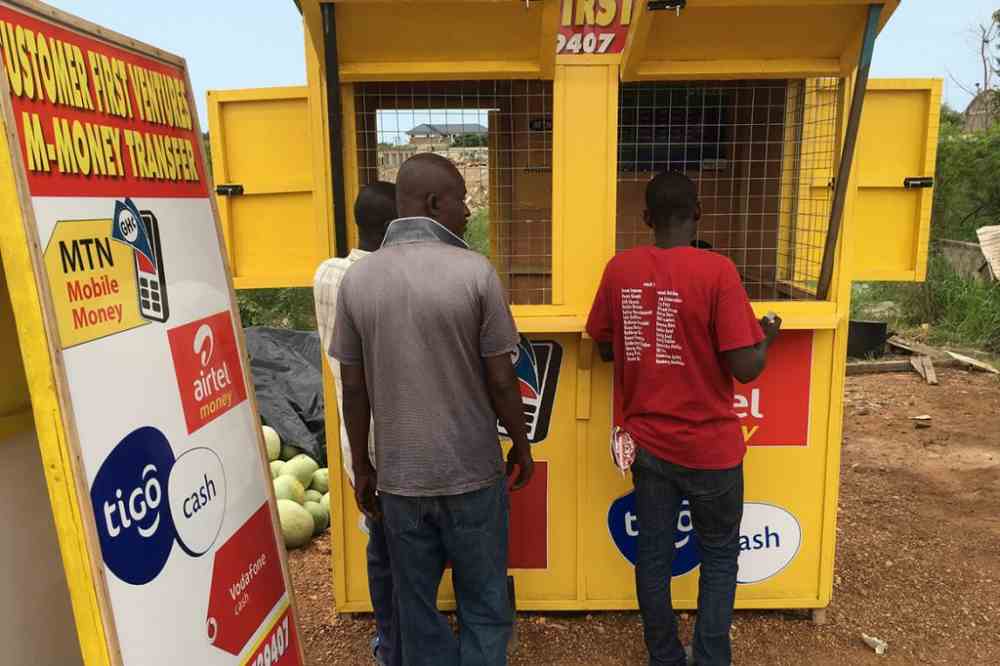
    Telecel Ghana has announced an expansion of its cash agent network in the Ashanti Region, a move that could improve mobile money access for thousands of residents. The telecom operator is strengthening partnerships with local agents to make it easier for customers to deposit and withdraw cash, especially in areas where bank branches are scarce.

    Why the Ashanti Region matters for mobile money

    The Ashanti Region is one of Ghana’s most populous areas, with a mix of urban centers like Kumasi and many rural communities. Mobile money has become a critical financial tool for many Ghanaians, enabling payments, savings, and transfers without a traditional bank account. However, access to cash-in and cash-out points remains uneven. In remote villages, traveling to a bank or an agent can be time-consuming and costly.

    By expanding its agent network, Telecel Ghana is addressing a practical problem: the last-mile gap in financial services. More agents mean shorter distances for users to convert mobile money to cash or vice versa. This is especially important for small business owners, farmers, and traders who rely on mobile money for daily transactions.

    What the expansion means for users

    For existing Telecel Ghana customers, the expanded network should translate into more convenient locations to perform transactions. Instead of walking long distances or waiting in long queues, users may find an agent closer to their home or workplace. The move also benefits agents themselves, who earn commissions on transactions and can attract more customers.

    While Telecel Ghana has not disclosed the exact number of new agents or specific towns covered, the focus on the Ashanti Region suggests a deliberate strategy to deepen rural penetration. Mobile money usage in Ghana has grown rapidly over the past decade, but rural areas still lag behind urban centers in agent density. This expansion could help narrow that gap.

    It is worth noting that Telecel Ghana operates in a competitive telecom market alongside MTN and other players. MTN has the largest mobile money subscriber base in Ghana, but Telecel’s investment in agent networks signals its ambition to grow its financial services arm. For consumers, more competition often leads to better service and lower fees.

    Practical considerations for users

    If you are a Telecel Ghana customer in the Ashanti Region, here are a few things to keep in mind:

    • Look for branded agents: Telecel Ghana agents typically display the company’s logo or signage. Using authorized agents ensures your transactions are secure and properly recorded.
    • Check transaction limits: Mobile money transactions have daily and per-transaction limits set by the Bank of Ghana. Agents can help you understand these limits.
    • Be aware of fees: While cash-in is often free, cash-out transactions usually attract a small fee. Fees vary by amount and operator.
    • Verify agent availability: Not all agents operate 24/7. It is a good idea to know the operating hours of your nearest agent.

    For those in rural areas, the expansion could also reduce reliance on informal money handlers, who may charge higher fees or pose security risks. Using a licensed Telecel Ghana agent provides a safer alternative.

    The bigger picture for financial inclusion

    Ghana has made significant strides in financial inclusion, with mobile money accounts outnumbering bank accounts in many regions. However, access alone is not enough. The quality of the agent network — its density, reliability, and trustworthiness — determines whether people actually use mobile money for their daily needs.

    Telecel Ghana’s move in the Ashanti Region is a step toward strengthening that network. It aligns with broader industry efforts to bring financial services to underserved populations. The Bank of Ghana has also encouraged telecom operators to expand agent networks as part of its digital financial services strategy.

    For now, the immediate benefit for Ashanti Region residents is more options for where and when to transact. Over time, a robust agent network can support other services like savings, loans, and insurance, which are often delivered through mobile money platforms.

    If you live in the Ashanti Region and use Telecel Ghana, keep an eye out for new agent points in your area. The expansion is ongoing, and more locations may be added in the coming months. For those who do not yet use mobile money, the growing agent network could be a good reason to start.

  • Google Is Using Your Search History for AI Training: How Ghanaians Can Opt Out

    Google Is Using Your Search History for AI Training: How Ghanaians Can Opt Out

    If you use Google Search, your queries may now be helping to train the company’s artificial intelligence models. Google recently updated its privacy policy to allow the use of public data — including search history — to improve its AI systems. For Ghanaian users who value their privacy, this change raises important questions about how personal data is being used.

    The good news is that you can opt out. Here is what you need to know and how to stop Google from using your search history for AI training in three simple steps.

    What Changed in Google’s Privacy Policy

    Google’s updated privacy policy now explicitly states that the company may use publicly available information to train its AI models and build products like Google Translate, Bard, and Cloud AI capabilities. This includes data from Google Search, YouTube, and other public sources.

    For the average Ghanaian user, this means that your search queries — the things you type into Google every day — could be fed into AI training systems. While Google says it uses this data to improve services, privacy advocates worry about the lack of transparency and control.

    It is important to note that Google claims it only uses publicly available information. However, search history is considered public data under the policy, so your queries may be included unless you take action.

    How to Opt Out: A 3-Step Guide for Ghanaian Users

    Opting out is straightforward. Follow these steps to stop Google from using your search history for AI training:

    • Step 1: Go to myaccount.google.com and sign in with your Google account.
    • Step 2: Click on “Data & privacy” in the left menu.
    • Step 3: Under “History settings,” find “Web & App Activity” and turn it off. You can also click on “Manage all Web & App Activity” to delete past data.

    Turning off Web & App Activity prevents Google from saving your search history and using it for AI training. Keep in mind that this may affect personalized search results and recommendations.

    What This Means for Ghanaians

    For many Ghanaians, Google is the primary gateway to the internet. From students researching assignments to small business owners looking for suppliers, search queries often contain sensitive or personal information. Allowing that data to be used for AI training without clear consent is a concern.

    Privacy awareness is growing in Ghana, especially as more people use digital services. Understanding how to control your data is becoming an essential skill. This opt-out process gives users a way to protect their privacy without giving up Google services entirely.

    However, there are limitations. Opting out only stops future data collection. Any data already collected before you turned off Web & App Activity may still have been used for training. Also, Google may still use other public data like YouTube comments or reviews for AI training, which are not covered by this setting.

    If you want to be more thorough, you can also review your YouTube history and location history settings in the same Data & privacy menu.

    What to Watch Next

    As AI becomes more integrated into everyday tools, data privacy will remain a hot topic. Ghanaian users should stay informed about how their data is used and regularly review their privacy settings. Google may also introduce more granular controls in the future, so keep an eye on policy updates.

    For now, the simplest way to protect your search history from AI training is to follow the three steps above. It takes less than five minutes and gives you more control over your personal information.

  • Digital fraud and card disputes top banking complaints in Ghana, says Bank of Ghana report

    Digital fraud and card disputes top banking complaints in Ghana, says Bank of Ghana report

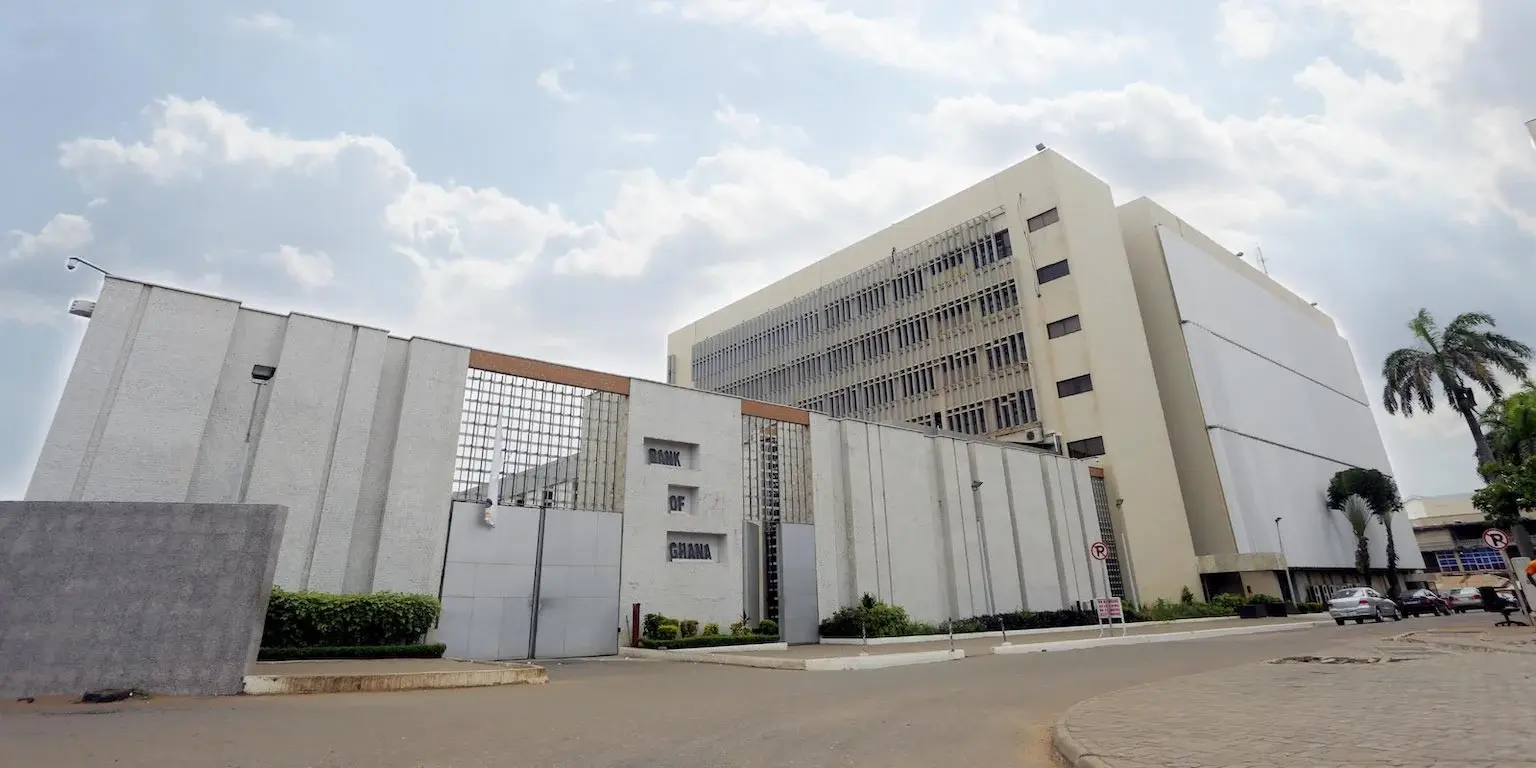
    If you have ever fallen victim to a fraudulent mobile money transaction or had your debit card used without your permission, you are not alone. A new report from the Bank of Ghana shows that digital fraud and card disputes are now the most common complaints from banking customers in the country.

    The central bank’s 2025 report on banking sector complaints highlights a growing problem that affects thousands of Ghanaians. As more people use mobile banking, online payments, and card transactions, the risks have also increased. The report makes it clear that both banks and customers need to take action.

    What the report says about digital fraud and card disputes

    According to the Bank of Ghana, digital fraud cases — including unauthorized transactions, phishing scams, and SIM swap fraud — have risen sharply. Card disputes, where customers report charges they did not authorize, are also among the top complaints. These issues now account for a significant portion of all complaints filed with the central bank.

    The report does not provide exact numbers, but it confirms that the trend is worrying. Many customers lose money before they even realize something is wrong. In some cases, banks take weeks to resolve disputes, leaving customers frustrated and out of pocket.

    For Ghanaian consumers, this means that staying safe requires more than just trusting your bank. You need to be proactive about protecting your accounts and personal information.

    Why this matters for everyday banking in Ghana

    Digital banking has made life easier for many Ghanaians. You can send money, pay bills, and buy goods without visiting a branch. But convenience comes with risks. Fraudsters are constantly finding new ways to trick people into sharing their PINs, passwords, or one-time passwords (OTPs).

    Card disputes are also a growing headache. If your card is cloned or used online without your knowledge, you may only notice when you check your statement. By then, the money may already be gone. The Bank of Ghana report suggests that banks need to improve their fraud detection systems and make it easier for customers to report issues quickly.

    For customers, the message is clear: be careful with your banking details, and report any suspicious activity immediately. The faster you act, the better your chances of recovering your money.

    Practical steps to protect yourself from digital fraud

    While the report focuses on the scale of the problem, it also points to the need for better consumer education. Here are some practical steps every Ghanaian banking customer should take:

    • Never share your PIN or OTP with anyone, even if they claim to be from your bank. Banks never ask for these details.
    • Use strong passwords for your mobile banking app and change them regularly. Avoid using easy-to-guess passwords like your birth date or phone number.
    • Enable transaction alerts so you receive an SMS or notification every time money leaves your account. This helps you spot fraud early.
    • Check your bank statements at least once a month. Look for any transactions you do not recognize and report them immediately.
    • Be careful with public Wi-Fi. Avoid logging into your banking app on unsecured networks, as fraudsters can intercept your data.
    • Keep your phone secure with a screen lock and never leave it unattended. If your phone is lost or stolen, contact your bank and mobile network provider right away.

    These steps may seem basic, but many fraud cases happen because customers let their guard down. A few seconds of caution can save you from losing money.

    What the Bank of Ghana expects from banks

    The report also puts pressure on banks to do more. The central bank expects financial institutions to invest in better fraud detection technology, train staff to handle complaints efficiently, and educate customers about common scams. Banks that fail to address these issues may face regulatory action.

    For customers, this means you have the right to expect faster and fairer treatment when you report a dispute. If your bank does not resolve your complaint within a reasonable time, you can escalate it to the Bank of Ghana.

    The report is a reminder that digital fraud is not just a personal problem — it is a systemic issue that requires everyone to play their part. Banks must strengthen their systems, and customers must stay vigilant.

    As digital banking continues to grow in Ghana, the fight against fraud will only become more important. The best defense is a combination of strong bank security and informed, careful customers. If you have not reviewed your banking habits recently, now is a good time to start.

  • Ghana’s Margins Group Wins Contract to Build The Gambia’s National ID System

    Ghana’s Margins Group Wins Contract to Build The Gambia’s National ID System

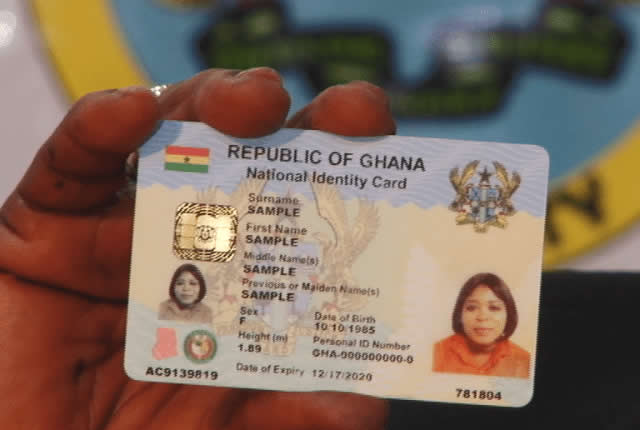
    After years of stalled contracts and a scrapped deal with a Belgian supplier, The Gambia is turning to a Ghanaian firm to fix its broken national identification system. Margins ID Group, a Ghana-based identity management company, has been awarded the contract to build a digital identity system that the Gambian government says will finally be stable — and will stay on Gambian soil.

    The move marks a significant win for a Ghanaian tech company in the West African identity market. For The Gambia, it represents another attempt to solve a problem that has frustrated citizens and governments alike for years.

    The Gambia’s long struggle with digital identity

    The Gambia has been trying to implement a reliable national ID system for over a decade. Previous efforts have been plagued by delays, contract disputes, and technical failures. In one notable case, a contract with a Belgian supplier was cancelled after the company failed to deliver on its promises. The result: Gambians have been left without a trusted, functional identity infrastructure, which affects everything from voting to banking to accessing government services.

    A broken ID system is not just an administrative inconvenience. In practical terms, it means that many Gambians cannot easily prove who they are to open a bank account, register a SIM card, or receive social benefits. It also makes it harder for the government to plan and deliver services efficiently. For a small country with limited resources, a working identity system is a foundational piece of modern governance.

    Why Margins Group?

    Margins ID Group is not a newcomer to the identity space. The company has been involved in similar projects across Africa, including in Ghana itself. The Gambian government has cited Margins’ experience and its willingness to host the system locally as key reasons for the contract award.

    Local hosting is a critical detail. By keeping the data and infrastructure within The Gambia, the government retains control over its citizens’ information and reduces reliance on foreign servers. This addresses both security concerns and sovereignty issues that have been raised in previous deals. It also means that the system can be maintained and supported by local technicians, building long-term capacity.

    The contract is expected to cover the design, deployment, and maintenance of the digital identity platform. While specific financial terms have not been disclosed, the deal is seen as a vote of confidence in Ghanaian tech expertise.

    What this means for Ghana’s tech ecosystem

    For Ghana’s technology sector, this contract is a positive signal. It shows that Ghanaian companies can compete for and win government contracts beyond the country’s borders. Margins Group’s success could open doors for other Ghanaian firms in the identity, fintech, and software services space.

    It also highlights a growing trend: African governments are increasingly looking to African companies for solutions to local problems. Instead of defaulting to European or Asian suppliers, countries like The Gambia are choosing partners that understand the regional context, regulatory environment, and user needs.

    However, the project is not without risks. Implementing a national ID system is a complex, multi-year undertaking. Margins Group will need to navigate political changes, infrastructure limitations, and public skepticism. The Gambia’s history with ID projects means that the company will be under pressure to deliver quickly and reliably.

    For now, the contract is a promising development. If successful, it could serve as a model for other African nations looking to overhaul their identity systems. It also reinforces the idea that Ghanaian tech companies can play a leading role in Africa’s digital transformation.

    Gambians will be watching closely to see if this time, the system works. For Margins Group, the stakes are high — but so is the potential reward.

  • How Mobile Money Merchant Solutions Are Helping Ghana’s SMEs Grow and Access Finance

    How Mobile Money Merchant Solutions Are Helping Ghana’s SMEs Grow and Access Finance

    Small and medium-sized enterprises (SMEs) are often described as the backbone of Ghana’s economy. They create jobs, drive innovation, and keep local supply chains running. But many of them still struggle with basic financial tools — keeping records, getting paid on time, and accessing loans to expand. According to MobileMoney Fintech LTD (MMFL), the company behind MTN Mobile Money, digital payment solutions are changing that picture.

    Speaking ahead of the 2026 World SME Day, MMFL’s Chief Commercial and Operations Officer (CCOO) highlighted how mobile money merchant solutions are helping SMEs unlock growth and improve their access to finance. The message is clear: the same phone that many Ghanaians use for everyday transactions can now serve as a business tool that opens doors.

    What Mobile Money Merchant Solutions Offer SMEs

    Mobile money merchant solutions allow businesses to accept payments from customers via mobile wallets. Instead of handling cash, a shop owner, food vendor, or service provider can receive money directly into their mobile money account. For many SMEs in Ghana, this is a significant shift.

    The CCOO explained that these solutions help businesses improve operational efficiency. When payments go digital, there is less time spent counting cash, making change, or running to the bank. Transactions are recorded automatically, which makes bookkeeping easier and more accurate. This is especially helpful for small businesses that may not have dedicated accounting staff.

    Beyond day-to-day operations, digital payment records create a financial history. Banks and microfinance institutions often require proof of revenue before they approve loans. With mobile money transaction logs, SMEs can show their cash flow without needing formal financial statements. This can make it easier to access credit and other financial services.

    Why This Matters for Ghana’s Business Environment

    Ghana has one of the most advanced mobile money markets in Africa. According to the Bank of Ghana, mobile money transactions have grown rapidly over the past decade. Yet many SMEs still operate mostly in cash. The MMFL executive’s comments suggest that the company sees a big opportunity in converting these businesses to digital payments.

    For the average Ghanaian business owner, the benefits are practical. Accepting mobile money can reduce the risk of theft and robbery, since there is less cash on the premises. It can also make transactions faster, especially when customers do not have exact change. And because mobile money is widely used across the country, even in rural areas, it can help businesses reach customers who may not have bank accounts or credit cards.

    The CCOO also noted that these solutions can strengthen financial management. Many mobile money platforms offer tools that let business owners track sales, monitor expenses, and generate reports. This kind of data is valuable not just for running the business day to day, but also for planning and growth.

    Challenges and What SMEs Should Consider

    While the advantages are clear, adopting mobile money merchant solutions is not always straightforward. Some business owners worry about transaction fees, network reliability, or the need for a smartphone. Others may be concerned about customer privacy or data security.

    MMFL’s comments did not address these challenges directly, but they are worth noting. SMEs that want to make the switch should start by understanding the fees involved and comparing different merchant options. They should also ensure they have a reliable internet connection or mobile network signal, especially if they operate in areas with patchy coverage.

    Training staff to use the system properly is another important step. A simple mistake — like entering the wrong amount or failing to confirm a payment — can lead to disputes or lost revenue. Business owners should also keep their own records alongside the digital logs, at least until they are confident in the system.

    What This Means for the Future of SME Finance in Ghana

    The MMFL executive’s remarks come at a time when financial inclusion is a priority for policymakers and fintech companies alike. The government and the Bank of Ghana have launched initiatives to support digital payments and SME lending. Mobile money merchant solutions fit into this larger picture by creating a bridge between everyday transactions and formal financial services.

    For SMEs, the message is that digital payments are not just a convenience — they are a tool for building a financial identity. Every transaction recorded on a mobile money platform is evidence of business activity. Over time, that evidence can help a business qualify for loans, insurance, or other products that were previously out of reach.

    As more SMEs in Ghana adopt these solutions, the hope is that they will find it easier to grow, hire more staff, and contribute even more to the economy. The technology is already in place. The next step is for business owners to take advantage of it.

    For now, the key takeaway for Ghanaian entrepreneurs is simple: if you are not yet using mobile money to accept payments, it may be time to consider it. The benefits go beyond convenience — they could be the key to unlocking the finance your business needs to grow.