Author: Emmanuel Boakye Yiadom

  • Tips On Getting More Views On YouTube

    Tips On Getting More Views On YouTube

    So, you’ve heard about these latest, amazing techniques to get more views on YouTube. But how do they work? What is the big deal with these new-age tricks of the trade? Are they worth your while? These are just some of the things you might want to mull over.

    The Basis Of Youtube Algorithm

    First, to really understand what all of this stuff is about, you need to understand a bit of how YouTube works.

    You see, there are certain keywords, phrases, and things that search engines use to pull up the most relevant videos based on a set of standards known as the “keyword density” or “content quality.”

    YouTube, unlike many other video-sharing sites, gives a lot of weight in these areas. For example, if a video has one or more keywords or keyword phrases, it’s likely to come up toward the top of any given video list.

    In fact, some YouTube users actually prefer to watch videos based on such factors, so it’s important to try and get your video to the top!

    The challenge then becomes to get people to watch those videos. It may seem like a hopeless endeavour.

    After all, millions of people have YouTube channels, so how in the world would they ever find your video? But YouTube’s search engine, called YouTube Search, makes this whole process a lot easier than you might realize.

    Use Keywords In Title and Description

    With YouTube Search, you can find popular videos by searching for specific keywords.

    For example, if I want to find out more information about “puppy training,” I’d use the term “puppy training”, and YouTube will pull up all of the videos that come up under that term.

    From there, I’ll want to look at the videos that come up first, which is obviously going to be ones that other people have shared.

    Since there are billions of videos uploaded every day, there is bound to be something that interests someone. It’s just a matter of looking for it!

    Of course, even after finding a video that interests me, it’s not going to do me any good if nobody views it. There has to be an audience for the video, and YouTube Search makes it really easy to find audiences.

    Just enter a broad keyword into the search bar, and you’ll see results showing up on the screen quickly. If you have an interesting video that you think would appeal to a large audience, it just needs a little help getting to the top of the rankings!

    When you’re trying to get your video seen, you have to stay organized.

    Stay Organized

    It’s a huge world out there, and you’ll never be able to watch everything that gets uploaded. You have to remember to stay focused and only post the best videos to get you the exposure you want.

    If you post anything that isn’t newsworthy or the latest in your niche, there’s a good chance that you won’t be able to get it to the top of the lists.

    If you want to make sure that your video is actually viewed, you have to take some time to promote it properly.

    Write Catchy Title

    While the title is important, the first 100 or so words are usually what keeps people on a site. So you need to make sure that your video starts off with an attention-grabbing title that’s catchy as well as creative.

    The last few tips aren’t much different than the others. Video marketing is all about using as many different ways as you can to get your video out there.

    Conclusion

    The more methods you use, the better chance you have of having multiple people link to your video from different websites.

    This will increase the number of views fast! You indeed need a video that’s of high quality, but you don’t necessarily have to invest a lot into getting it out there.
  • How to Block Political Posts on Facebook

    How to Block Political Posts on Facebook

    If you are allergic to politics just as I am, seeing numerous posts on Facebook about politics equally disgusts you.

    Thankfully, you can change a few settings inside Facebook and clear your timeline away from political posts.

    Not only can you block political posts on Facebook, but you also can report them so Facebook can remove them permanently for you.

    In this article, I will show you how you can block political posts from Facebook. Follow the below steps.

    Snooze to Hide Political Facebook Posts from Friends

    Since we’ll have numerous friends on Facebook, there are always some who are in love with Politics.

    You can block political posts from your friends on Facebook right from your Facebook feed using the following steps.

    • Scroll to the political Facebook post you want to hide.
    • Select the ellipsis icon in the upper right corner of the post.
    • Select Snooze [name of the source] for 30 days.

    As soon as you select snooze, that post and all posts from the person should disappear. It will be replaced by a small box confirming your choice to snooze that person, and an undo button if you change your mind.

    Not only does that political Facebook post leave, but you also won’t see any future posts from the person.

    If you want a more permanent procedure that’ll last beyond 30 days, select Unfollow to stop seeing the person’s posts while remaining friends.

    Unfollow Groups With Political Facebook Posts

    Though many Facebook groups ban political posts, some do not, and they can be an instantaneous source of annoying political Facebook posts. Here’s how you can block these political posts from your Facebook feed.

    • Open the group that you don’t want to see.
    • Select the ellipsis icon in the upper right corner of the group page.
    • Select Unfollow Group.

    Change Facebook Ad Settings to Reduce Political Ads

    You have to disable political ads in Facebook ad settings. Open Facebook from your browser and follow below settings.

    • Select the downward pointing arrow icon in the upper right corner.
    • Select Settings & Privacy.
    • Then Select Settings to view all your account settings.
    • Scroll down and select Ads in the left column to view your Ad Preferences.
    • Select Ad Topics to change which ads you see.
    • Find and select the option for Select Social Issues, Elections or Politics.
    • Select See fewer ads about this topic.

    Report a Misleading Political Facebook Ad

    There is numerous misleading Facebook political ad which you may come across. If you come across one, you can report by,

    • Find the ad that you want to report.
    • Select the ellipsis icon in the upper right of the ad.
    • Click Report ad.
    • Choose the reason why you are reporting the ad.
    • Select the Submit button to send your report to Facebook.

    Once the ad is reported, Facebook automated tool will determine if the ad is misleading and block it afterwards.

    Conclusion

    In this article, I have showed you the steps you can take to reduce political ads on Facebook. If you are one of those that hate politics just like I do, then this post is surely a benefit to you.

  • 4 Best Sites To Identify an Unknown Phone Number

    4 Best Sites To Identify an Unknown Phone Number

    A few decades back, if you needed to identify a telephone number, you’d thumb through the listings within the public directory or phone book for your country or area code until you found the person you wanted to call.

    Today, our phones hold our phone books in a tiny SIM card, which saves phone numbers, email addresses, and the contact’s photo.

    However, if you get a call or text message from an unknown number that’s not saved on your phone or SIM card, you’ll need a special service to find the person’s name or identity.

    In this article, I will share some of the best sites to identify phone numbers unknown to you.

    Best Sites To Identify a Phone Number Online

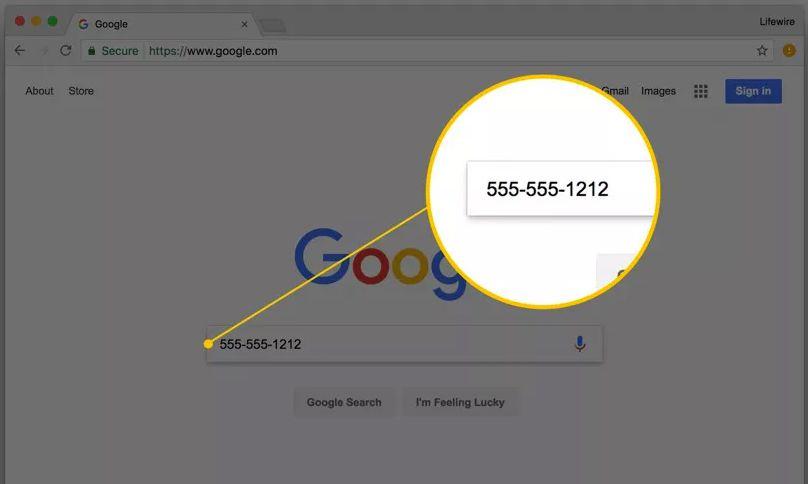
    Most people look for anything they’re searching for on search engines like Google, Bing et al., but these aren’t pretty much as good for finding phone numbers as people search sites are.

    However, you may find phone numbers associated with a business or company depending on its internet presence.

    People Search Engines

    People search engines on the other hand, not only assist you find who you’re searching for, but they also show you contact details, relatives, location, work history, and more.

    Most of these sites rely on information from public records and permit you to search using what you already know.

    They also use reverse tactics, social media profiles, web searches and other methods.

    For example, you’ll be able to search a telephone number belonging to an individual if you recognize their name, email address or physical address. the following list of the most effective search sites will assist you in finding people online with just a telephone number.

    However, a number of these sites charge a fee, and a few of the information could also be outdated, so you’ll or might not find the proper identity.

    Social Media Platforms

    One of the simplest ways to spot a telephone number is by looking it up on social media platforms like Facebook or LinkedIn, which have a huge user base from everywhere in the world.

    Most of these users share information, including their personal and/or business phone numbers, so you’ll easily find the person behind a particular number. Just enter the telephone number into the platform’s search bar and see what it turns up.

    However, not everyone’s profile is public, so you’ll need to connect with the person first before accessing and seeing their personal details. Some also hide such information from their friends, which makes it even harder to find.

    While you’ll be able to use social media to identify a telephone number at no cost, there’s no specific search function for identifying phone numbers.

    If you had no luck identifying a telephone number using social media platforms, you could try number lookup services, which are specifically made to search out phone numbers and their owners. Below are some useful options:

    True Caller

    This is a well-liked app for smartphones that displays the name of the person calling you, even if they’re not in your address book.

    It runs via mobile data or WiFi, but if you don’t want to use the app on your phone, you’ll be able always to run an online check to identify an unknown telephone number via the TrueCaller website. However, you’ll need to register with an email address to get the results.

    Apart from matching names and phone numbers, Truecaller also block unwanted calls, preventing annoying spam callers and marketers from disturbing you.

    ZabaSearch

    ZabaSearch provides public data about people and the way they’re connected to others. Such data are often a telephone number , physical address and birth date, or any personal information available on the internet.

    It collects information and puts it in a convenient platform for anyone to access. You’ll be able to look for a telephone number and find people that way, or if you’ve got a name or address, it’ll run a check through its database and provide you with the results, where possible.

    Conclusion

    Finding information about people using their phone number is something difficult but with the information provided in this article, you can be lucky to find people using their mobile numbers. Not 100% assured but there is a high percentage you can find them.

  • When Was The Internet Invented? Facts You Probably Didn’t Know

    When Was The Internet Invented? Facts You Probably Didn’t Know

    The Internet has been called the most important invention in the history of humanity. We are still within the early days of this global network, but it’s already changing everything about how we work and live.

    If it weren’t for the internet, you most likely wouldn’t be reading this right away. However, how much does one actually understand when the internet was invented?

    Even if you’re old enough to have lived through it all, much of this amazing story wasn’t known at the time.

    So let’s take a walk through the event of this fantastic invention and pick up some amazing facts along the way.

    The Internet Was “Invented” as a Military Project

    Although people consider the internet as the thing that brings them memes and Netflix, it absolutely was invented for a dire reason – the threat of nuclear war.

    The concern was that one nuclear bomb could interrupt communications throughout the country. So a system that would keep working even if large parts of it were disabled was a fairly high priority.

    A scientist named J.C.R. Licklider who worked for MIT and ARPA (now called DARPA) came up with a thought for a “Galactic Network” that could keep working even if large parts were destroyed.

    ARPA liked this concept very much! So you may thank them for getting the entire internet ball rolling in the first place.

    Information On the internet Comes In Packets

    When you watch a Netflix video or send an email, all that information is converted into a large number of small info packets.

    These are each sent independently across the spider’s web that makes up the internet and then reassembled on the other end so that the receiver can make sense of the message.

    This is a fundamental part of how the web works and it’s also why it can withstand disruption. If some packets don’t make it, they will be sent again. If one path through the network is blocked, the packets simply take another router.

    This method is understood as “packet switching”. It had been invented in 1965, a mere three years after Licklider came up together with his Galaxy Network idea. However, that network ended up being named “ARPANET” instead, and packet switching made it possible.

    The First Internet Message Was “LO”

    LO? Why would that be the foremost message sent over ARPANET? Well actually, the message was meant to read “LOGIN”, but only the first two letters made it to the receiving computer.

    Those two historic letters made the journey from UCLA to Stanford on 29 October 1969. Just a couple of months after Neil Armstrong stepped foot on the Moon.

    In 1969 the Internet Consisted Of Just 4 Computers

    It’s true, ARPANET only had four computers connected. Today, about half the earth people have internet access, with over one device per person connecting to the current global network. We’ve come a long way.

    Internet is brief For Internetwork

    OK, ARPANET wasn’t really the internet yet. The word “internet” is an abbreviation for “internetwork”. In other words, the internet is just a network of networks.

    That first few computers were quickly joined by others who wanted to get in on the party. The matter was that nobody really knew how to handle the traffic from numerous potential computers all directly.

    Packet switching was the proper approach, but there’s more than one way to modify a packet. It was the world’s toughest traffic congestion, so how was it solved?

    Conclusion

    The Internet has existed for quite a long time and we have all benefited from it in one way or the other. But did you know some of the facts of the internet? I hope this article was good to come by.

  • How to Encrypt All Your Data With These Easy Techniques

    How to Encrypt All Your Data With These Easy Techniques

    Do you need some help with how to encrypt all your online and offline data? Are you looking for ways to secure your data, whether using a laptop, smartphone or the internet?

    There is never a dull moment in protecting your privacy on the internet or confidential information on your devices.

    It would be best if you always were cautious about what you post online, and you always need to protect your private information from prying eyes and hackers.

    There are so many different ways to encrypt data. The most common is to utilize encryption programs such as SSL, Secure Socket Layer, and Digest Authentication.

    How to Encrypt All Your Data and Online Activities With The Following Programs

    Many IT administrators utilize several internet administrations and software to secure messages, secure chat sessions, receive and send an email, view files and documents online, and much more.

    Most administrators utilize one or more of these programs constantly to protect their online activities.

    How to Encrypt Your Mail

    The most common method people utilize to encrypt their emails is to utilize an email client like Microsoft’s Outlook.

    You can activate the encryption feature with the Encrypt button right inside the inbox. When a message is encrypted, it is virtually destroyed after the message has been viewed.

    Therefore, if you are reading an encrypted message, no one will be able to read it. This feature is only available in Outlook and is not available with other email programs.

    How to Encrypt Your Internet Traffic With SSL/DTLS

    This type of encryption is also utilized in Outlook and other email clients.

    With SSL/DTLS, you create an encryption key with your private key infrastructure, stored with the Internet service provider’s servers.

    The key you create is only accessible by the intended recipient. This type of encryption is great when you need to establish an encrypted channel between yourself and a business or organization.

    However, you must use this type of link encryption whenever possible as it is often monitored by various third parties.

    How to Encrypt Your NetFlow:

    NetFlow is a form of secure socket layer used to transmit information between networked devices.

    To utilize this program, you must have an administrator privilege and enable the Usewan application on the machine you will be used to secure your Netflow connections.

    The swan authorization process is the same as that used for SSL and e2ee encryption methods. You will need to provide the host machine with an IP address via a secure channel to establish your Net Flow connections.

    How to Encrypt Your e-mails

    Similar to SSL, e-mail encryption is achieved with SSL/TLS. In addition to the e-mail account you may already have, you may also select to utilize IMAP, POP or SMTP as well as other additional e-mail accounts to keep your business communications safe.

    The most common uses of these forms of secure socket layer (SSL) are in the context of offering end-to-end encryption at the server and client-side.

    There is no compromise between security and speed. Encrypting messages in this manner offers you and your company the highest level of data integrity, confidentiality and efficiency.

    How to Encrypt Your Portable Document Format (PDF) Data

    When people think of secure data encryption, they think of information security measures such as locking files or protecting intellectual property with passwords and codes.

    However, PDF files offer the only real and comprehensive solution to data encryption and privacy protection.

    To utilize PDF encryption, you need to use Adobe Acrobat Reader to open the file before saving it. These three techniques are just three of the many options available for anyone wanting to learn how to encrypt all your online and offline data with a little ease.

    Conclusion

    Encrypting is an important process, and one that should not be taken lightly.

    It’s effortless to make it too easy, and then you open up all kinds of vulnerability to external influences that can easily compromise your information if you aren’t careful.

  • How Secure are Your Messaging Apps?

    How Secure are Your Messaging Apps?

    Everyone these days is asking, “How Secure Is My Messaging App?” After all, if everyone had access to our phones, this kind of thing wouldn’t even happen.

    What would happen if you had a message to send, but your phone was lost or stolen? Would you still be able to get your message across?

    The best way to answer that question is to look at what messaging apps have in common with smartphones.

    For one thing, both use end-to-end encryption to keep information safe from prying eyes.

    An end-to-end encryption program also has something else in common: it also has functions that operate quietly within the background to ensure that the program is always secure.

    No matter how hard spyware and hackers try, there’s no such thing as 100% secure messaging.

    There’s always a risk of someone snooping around on your phone, and even if you think you’re protected now, it doesn’t mean you can rest assured.

    Facebook Messenger

    How secure is your Facebook chat? Well, to put it simply, not very. End-to-end encryption is the only way you can truly ensure that your messages are kept private without Facebook compromising its own end-users’ security.

    The problem is that most people use their Facebook account to log into different chat platforms.

    This means that when you’re chatting on one of the many free chat platforms – like Skype, Google Talk, Yahoo Messenger or MSN – your information is vulnerable to anyone who knows the password and id.

    Even though most platforms encrypt your data before sending it to Facebook, they won’t encrypt the chats themselves.

    The good news is that there are ways around this. There are several mobile apps for messaging that use end-to-end encryption on both messages and chats.

    Whatsapp, Facebook chat and MSN messenger are all good candidates.

    WhatsApp Messenger

    Whatsapp is probably the best for short messages (under a few minutes) and is simple to use with no complicated interface.

    You don’t need a smartphone, because everything is delivered wirelessly over Bluetooth.

    The major mobile messaging apps aren’t quite as secure. Most messaging apps have weak encryption, which can be easily deciphered by hackers.

    Many messages sent through WhatsApp or Facebook are subject to what’s called “joke messages”.

    This is when a hacker makes up a message in order to trip you up or just to annoy you.

    These messages aren’t encrypted, so anyone with a bit of computer know-how can intercept them and read your messages.

    On top of this, there’s another major issue. Mobile devices are not inherently secret.

    They are openly accessible by anyone, as they are powered by the same technology that internet users and cell phone cameras use.

    Your messages are visible to anyone who has access to a Wi-Fi network.

    And if you use WhatsApp or any other “secret” messaging platform, anyone can read your text messages.

    This means that every time you turn on your smartphone, you are essentially inviting someone into a secure, private, and very difficult to identify “chat room”.

    It also means that you are opening yourself up to the same snooping and snatching as the average internet user, and even more so.

    If you send a picture of your baby to a friend via Facebook, you are essentially granting them access to your private life.

    If you send a picture of your junk food to a friend, you are opening yourself up to having that junk food eaten by someone else.

    Fortunately, there is good news. There are some great new privacy and security-enhancing mobile messaging platforms that are being released in 2021.

    Companies like Whispernet and QK Labs have created an amazingly secure system that combines the best of internet chat apps and the convenience of your mobile phone.

    By combining chat and video services and allowing for encrypted peer to peer file sharing, users will be able to stay anonymous while making free calls and sharing files with complete confidence.

    The biggest benefit of using these new platforms will be the increased security and privacy that users will experience.

    These platforms will revolutionize the way we communicate, and hopefully, we can do it without worrying about our information falling into the wrong hands.

    Conclusion

    After reading this piece, you now know the answer to the main reason you clicked this article to read. I hope this article gave you all the best information needed.

  • 4 Of The Best Password Managers You Should Try

    4 Of The Best Password Managers You Should Try

    Password security has massively seen some improvement in recent years. Businesses require new passwords on a random basis, and you aren’t allowed to get by with just an easy eight-character passcode.

    Upper and lowercase letters, numbers, and symbols became the norm, but even that isn’t enough.

    You can’t use the identical password for over one account lest you compromise all of them through one breach. And every password has got to be just as secure as the others.

    Once you consider all these different scenarios, how are you purported to keep track of it all? The answer is a Password manager.

    The software’s like KeePass, LastPass, and 1Password does the diligence out of password security. All you require is a single, secure password to log in to your password manager account. The software takes care of the remaining work.

    These software’s generate nearly-unbreakable passwords for every account connected to the password manager, and since you don’t know what these passwords are and their actual identity is encrypted, a hacker can’t break or penetrate to your accounts through your password manager.

    In this article, I will take you through 4 of the best password managers you can try.

    KeePass

    KeePass stands out from tons of the competition for one definite reason: it isn’t cloud-based. Many of the most effective advocates for KeePass debate storing passwords in a cloud, even though a password manager, puts you at risk.

    KeePass takes any risk out of the comparison; its database relies entirely on your local drive, although you’ll be able to synchronize it between devices by using services like Dropbox and Google Drive.

    KeePass trades on some of the usefulness of other password managers in exchange for total customization and compliance. For instance, the service is open source.

    If you compare password managers based wholly on their UI’s attractiveness, KeePass won’t make it to the list. It’s not pretty to look at, but it gives users more control over their passwords and security.

    KeePass won’t take you through a step by step procedure when it comes to it’s interface, making it a bit intimidating to people that aren’t as skilled with technology.

    If you prefer technology and are pleased working with more complex systems; however, KeePass could be a phenomenal choice.

    System Compatibility

    • Works with Windows, Mac, Linux, iOS, Android, Chrome, and more
    • More customization, but less convenience
    • Free

    LastPass

    LastPass works like other password managers. You only need one master password then it takes care of the rest.

    Most preferred of all, once you get the program set up, you can import all of your saved passwords from your various browsers, including unpopular browsers like Opera.

    Once you’ve imported these passwords, LastPass gives instructions on how to delete them from your computer. The software also provides two-factor authentication, credit monitoring, and other security features to keep you shielded from all angles.

    All of the features mentioned are available in the free version of LastPass, but purchasing the premium version introduces even more features.

    The premium version of LastPass allows you to synchronise information between your desktop and mobile devices, which extends the functionality across various devices.

    When you study this feature on top of the rest of the alternatives, it’s hard to go wrong.

    The one downside to staying in mind is that LastPass has undergone security breaches in the past. Still, the corporate has done a precise job since then to intensify and eliminate any other vulnerabilities.

    System Compatibility

    • Compatible with Windows, Mac, Linux, Chrome
    • Free option and Premium
    • Has had security vulnerabilities in the past

    1Password

    1Password does more than just a password manager. While it stores your username and password, it also presents a password generator that generates secure login information immune to the dictionary and brute force attacks.

    1Password also includes a monitoring feature that watches for attacks on famous websites and warns you of any discovered, ongoing hack.

    It also comes with a digital wallet that lets users store data, and also the developers have proposed a bounty to anyone that may bypass its encryption. This manifest to the fact that they have confidence in their service.

    1Password comes with only premium version but comes with a low cost of $2.99 per month. You’ll be able to save a couple of dollars by subscribing to the subscription fee annually.

    While the software used to charge a one-time fee upon subscription, the monthly price also provides access to all of the features for as long as you subscribe.

    You don’t have to worry, if you cancel your subscription, your data will still be safe.

    You’ll be able to synchronise your saved information between devices through any method convenient to you, but the program specifically lists compatibility with Dropbox and iCloud.

    System Compatibility

    • Works with Windows, Mac, iOS, Android
    • Requires a monthly subscription of $2.99
    • Monitoring features keep you informed of ongoing security breaches

    Dashlane

    Dashlane could also be the closest competitor to LastPass in terms of features, but one dazzling downside that takes points off, it’s overall rating: the cost.

    Dashlane sells between $40 to $60 annually by subscription. Notwithstanding its feature-packed free version, the paid version comes with most features that make the password manager absolutely useful like syncing across devices.

    Dashlane comes with a password generator, a virtual wallet, and secured auto-fill features.

    System Compatibility

    • Works with Windows, Mac, various browsers
    • Higher yearly price
    • Similar to LastPass in many ways

    Conclusion

    In recent times, hacking has been on the increase and Privacy has day-by-day shaken. Data breaches all over the internet and it lives us with one question, are we safe?

    With a proper and secured password managers, Yes we are safe. In this post I have provided four of the best password managers you can try with.

  • Do You Really Need to Eject a USB Drive Before Removing?

    Do You Really Need to Eject a USB Drive Before Removing?

    The answer is Yes. Why Yes? You’ve just yanked it out like a bad tooth numerous times, and nothing has ever gone wrong. Why do you have to start caring now? What’s the worst that might happen?

    There are lots of bad that might happen, and it’s only a matter of time. Let’s see what’s in store for you if you keep pulling it out, and why these bad things could happen.

    How Do USB Drives Get Corrupted by Removing Without Ejecting?

    How a USB drive and a computer communicate together is surprisingly complex. First, the pc must provide power to the USB drive in order that it can work.

    Then the pc and therefore, the USB drive will ask one another to determine a connection that requires the pc to possess the correct drivers installed.

    Today’s USB drives are all plug-and-play meaning that they can provide the needed drivers for the pc. Then the pc must know what data is on the USB drive so it can allow you to access it.

    The computer executes this by reading the Master Boot Record (MBR) or Partition Boot Record (PBR) or directory structure on the USB.

    All of that happens within the couple seconds before you begin using your USB flash drive.

    In the process that you’re using the flash drive, you will think that it’s just reading files or each time you modify something it is immediately written to the drive. That’s not how it works.

    When reading files, there’s still changes happening. The file’s metadata is getting modified by the system doing things like updating the last accessed or last changed date and time.

    The changes happen in batches. you alter something, the change first takes place in a cache on your computer, then it finally gets written to the USB drive.

    Also, other programs could also be accessing your USB drive and you don’t know it. If you’ve got antivirus or anti-malware software, it may well be checking your drive at any point in time.

    So, at any time, even though you’re not doing anything with the flash drive, your PC may be using it. If you pull your USB drive out while any of those things are happening, you can damage your files, or the USB drive itself.

    But wait, there’s more. There’s a whole commemoration that happens once you eject the USB drive.

    Just as the PC and also the drive has an introduction phase like above, they even have a goodbye phase where they greet one last time, finish talking, then the computer disengages the USB and stops providing power.

    If that doesn’t happen properly, corruption can happen. Apparently, the pc and USB need closure at the end of their relationship. the power supply part is vital too.

    Ever unplug something from the wall and saw just a bit flash of electricity? An identical thing can happen when pulling out the flash drive, and this may corrupt your drive. It rarely happens, but it still does.

    What is the Worst that Could Happen?

    The worst-case situation is that your USB drive stops functioning entirely. you can’t write to it, you can’t read from it, it just doesn’t work.

    Not a big deal if it’s stuff you don’t care about or if you’ve got it all backed up elsewhere. But let’s be honest, that’s never the case when it happens.

    It happens when it has important documents, or you’re in haste to give a presentation with what’s on the USB drive. It never happens at a suitable time.

    Fortunately, it would be possible to repair your USB flash drive and therefore the data thereon . Unless it was damaged by electricity after you pulled it out. That may happen.

    Why Doesn’t This Happen All the Time?

    Windows 10 includes a feature called Quick Removal that usually will prevent corruption from happening. the fast Removal policy ensures that Windows maintains the USB drive in a state where it’s ready to be removed at any time.

    By default, Windows uses the fast Removal policy on your USB drives.

    It’s not foolproof though. It’s still possible that you simply could remove the flash drive while it’s being written to or accessed by another program.

    Why it doesn’t happen all the time is that computers are enormously fast. Within the time that you saved a file to your flash drive and then removed the drive out, your computer had already written the file.

    How Do I Know I’m Using Quick Removal?

    • Click the search bar ‘Type here to search” near your start button. Type device manager and hit enter.
    • You’ll see the Device Manager as one of the search results. Click to open that.
    • In Device Manager, expand Disk Drives and find your USB flash drive.
    • Right-click on your USB flash drive and click on Properties.
    • In the device’s properties window, click on the Policies tab. There you’ll see if your USB drive is about to use Quick Removal or Better Performance. If it isn’t set to Quick Removal and you want that, select it and click OK to proceed.

    How Should I Eject the USB Drive?

    In Windows, there are 2 good ways to eject the USB drive, so it goes through the required steps to confirm it ejects safely.

    You’ll be able to eject a USB drive through the taskbar or in File Explorer. Let’s re-evaluate the way to do this .

    Eject USB Drive from Taskbar

    • Click on the USB icon in the taskbar. If you don’t see it, click on the up arrow to show all items in the taskbar.
    • A small window will appear above this, listing all the devices plugged in via USB. Find the device you would like to eject and click on it.
    • Once Windows has safely dismounted the USB flash drive, you’ll see the subsequent confirmation screen open. you can safely remove your drive now.

    Eject USB Drive in Windows File Explorer

    • Find the USB flash drive you would like to eject in File Explorer and right-click on it. in the menu that opens, click on Eject.
    • Wait for a few of seconds and you’ll see the confirmation notification pop up by the clock in your taskbar. you’ll be able to now safely remove your flash drive.

    Conclusion

    The fact is, whether you knew or didn’t know about ejecting flash drives the right way, Now you know, you still will be removing your drives the old traditional way. Or you won’t?

  • 6 Ways to Send Large Files as Email Attachments

    6 Ways to Send Large Files as Email Attachments

    All the popular email clients have size limits on the files that you simply can email to recipients. However, there are ways to send large files as email attachments notwithstanding those limitations.

    File size limits differ depending on the e-mail service. For instance, Gmail, Yahoo, and AOL have a limit of 25 Mb per email.

    Outlook.com is restricted to only 10 Mb. Even desktop email clients have limits. Microsoft Outlook only allows a file send of 20 Mb, and while Mozilla Thunderbird is unlimited, you’ll still experience file size limits depending what email accounts you connect it to.

    The deal is to either shrink the file sizes using several utilities or bypass the email itself as the primary method for transferring the files.

    Compressing Files

    If the file you’re trying to send is simply above the limit (for example, a 50 Mb file on Gmail), you’ll be able to compress the file to simply under the limit.

    Most files, once compressed into a zip file, will decrease in size from anything like 15 to 80%, depending on how much available space there’s within the file data for the compression algorithm to try and do its charm.

    If the compression method was able to shrink the file below the size limits of your email service, you’ll be able to attach the file to your email. Also, make certain to read about the different forms of compression formats.

    Splitting Apart Archives

    If you’re trying to send one large archive file that contains tons of files and folders, you’ll be able to always break that file up into smaller archives that are each under the e-mail service size limit.

    For example, take a zip file that’s just below 80 Mb. You won’t be able to send this file using Gmail or the other cloud email services. Follow the steps below to split archives.

    • Right-click the file and extract all the files inside it into their individual files and folders by selecting Extract All.
    • Next, create a new archive file by right-clicking inside the folder, selecting New and Compressed (zipped) Folder.
    • Then copy all the individual files and folders you only extracted from the oversized archive file. Then right-click the new, empty archive file, and choose Paste.
    • Repeat this process for as many files and individual folders as you’ll be able to until the size of the new archive file you created is simply under the size limit.
    • Repeat the method above to create another empty archive and continue copying more files and folders until each of these files is simply under the limit.

      Create as many archive files as you would like to so as to recompress all the files and folders from the original, oversized archive file.
    • Finally, you’ll be able to send each of those files as individual emails, until you’re done sending all of them.

    Send Files via Google Drive

    Another strategy is uploading the oversized file to a cloud share account like Google Drive, assigning rights for anyone with the link to look at it, and sending the recipient the link to the file on Google Drive.

    To do this, upload the oversized file to a folder in your Google Drive account.
    Right-click on the enter Google Drive, and choose Share.

    In the Share with others window, next to Anyone with the link can view, select Copy link.

    Go back to your Gmail email message and choose the insert link icon. Paste the Google Drive file link into the web address field.

    Select okay to finish. this will insert the link into your email message. Select Send to complete. All the recipient must do is click the link to download the file from your Google Drive file.

    Using this approach, it doesn’t matter how large the file is. you’ll be able to send any file of any size in this manner.

    Use Gmail Google Drive Integration

    An even faster way you’ll be able to upload an outsized file and send the link is by using the integration that exists between Gmail and Google Drive.

    If these are two services you employ and you’re sending your email using Gmail, all you need to try and do is decide to attach a file that’s larger than the 25 Mb.

    Gmail will automatically upload the file to your Google Drive account with visibility for the e-mail recipient. You’ll see a message notifying you of this.

    When the upload is completed, you’ll see the Google Drive link inserted into your email.

    That’s all there’s to it. this is often the fastest way to send an oversized file via email, but again you need to own both a Gmail and a Google Drive account for it to work.

    Send Directly from Cloud

    Another alternative way to send an oversized email is by sending it from your cloud share account instead of the e-mail service itself.

    For example, from your OneDrive account, you can right-click any file and choose Share.

    This will open a Send Link window where you’ll be able to type within the recipient’s email address and also the email message you’d prefer to include.

    Select Send to send the e-mail with the link to the shared file automatically inserted.

    This is a much faster way to send oversized files, and you don’t need to worry about splitting it up into smaller files or somehow shrinking it to below the limit.

    Use Your Hosting Anonymous FTP

    If you’ve got your own web hosting account, you’ll be able to use the anonymous file transfer protocol feature that’s usually included with these accounts.

    Check with your web hosting provider if you’re unsure if you’ve got this feature enabled.

    If it’s enabled, when you’re logged in to cPanel, just visit the FTP section and look for the username of the anonymous account. Select Configure FTP Client to check the server name that your email recipient can use to create the FTP connection.

    All you need to do is use your own FTP client to upload your oversized files to the anonymous File Transfer Protocol folder inside your web hosting account.

    The folder for this is often usually called public_ftp.

    After you send the FTP details to your recipient, they can use their own FTP client to connect to the anonymous folder and download the file from the public_ftp folder.

    This is an approach you’ll have to be compelled to use for very large files, like very large video files that are many gigabytes in size.

    The file transfer may take a short while, but this is often the sort of file transfer that FTP technology was intended for.

    Conclusion

    There are so many ways of sending large files through e-mail. In this post, I have shared with you 6 different ways of sending large files in email.

    If your files are very large and over the limit, the archive method is the best to go with.

  • WhatsApp QR Code: How to Message or Add Contacts with the QR Code

    WhatsApp QR Code: How to Message or Add Contacts with the QR Code

    In late 2018, WhatsApp introduced click to chat, where you’ll begin a conversation with someone without having their telephone number saved in your contact list.

    As long as you recognize this person’s telephone number and they have an active WhatsApp account, you’ll be able to create a link which will allow you to begin a chat with them.

    There are diverse ways to scan the WhatsApp QR code to save a contact or initiate a conversation. Below are the steps;

    Scan face to face

    1. Open WhatsApp > tap More options > Settings.
    2. Tap the QR icon displayed next to your WhatsApp name.
    3. Tap Scan Code.
    4. Hold your device over the QR code to scan.
    5. Tap Add.

    You can also scan from the WhatsApp camera:

    1. Open WhatsApp > tap Camera.
    2. Hold your device over the QR code to scan.
    3. Tap Add.

    Scan from Gallery

    You can also scan the QR code received from your friend, just in case you don’t have their phone in hand. They can share their QR code and you’ll be able to scan from your Gallery or Photos. Follow the steps below;

    • Open WhatsApp > tap More options > Settings.
    • Tap the QR icon displayed next to your name.
    • Tap Scan Code.
    • Tap the Gallery icon on rock bottom of the screen.
    • Select the WhatsApp QR code from your Gallery or tap More > Photos to pick from your Photos.
    • Tap OK.
    • Tap Add.

    Scan from the New Contact Screen

    Android Users:

    • Open WhatsApp > tap New chat.
    • Tap the QR icon next to New contact.
    • Tap Scan Code.
    • Tap Add.

    iOS Users:

    • Open WhatsApp > tap New chat.
    • Tap New Contact.
    • Tap Add via QR code and scan the QR code to add.

    Scan from WhatsApp camera

    • Open WhatsApp > tap Camera.
    • Select the image with the QR code to scan.
    • Tap Add.

    Scan within a chat

    • Open WhatsApp and go to an individual or group chat.
    • Tap the camera icon.
    • Select the image with the QR code to scan.
    • Tap ADD.

    How Do I Find My WhatsApp QR Code?

    You might be asking, how can I find my WhatsApp QR Code to share with others? Below are the steps to follow to find your personal QR Code. This is for Android users, iOS users follow.

    • Open WhatsApp on your Android device
    • Tap More options (Three dots)
    • From the drop-down menu tap Settings
    • Tap the QR icon displayed next to your name
    • Tapping on the icon will display your personal QR code on the screen.

    iOS users

    • Open WhatsApp on your iPhone
    • Next tap Settings
    • Now click on the WhatsApp Web/ Desktop
    • Tap the QR icon displayed next to your name.

    Once you are done scanning your QR codes, you can also enjoy conference calls on WhatsApp with your friends and many other things you can do on WhatsApp.

    Conclusion

    The QR code is the new game changer when it comes to adding new friends on WhatsApp. All you need to do is scan your friend’s QR code and that’s all, your friend will automatically be added to your contacts.