Author: Shepherd Yaw Morttey

  • CompuGhana Opens New East Legon Showroom and Awards Goal Rush Raffle Winner

    CompuGhana Opens New East Legon Showroom and Awards Goal Rush Raffle Winner

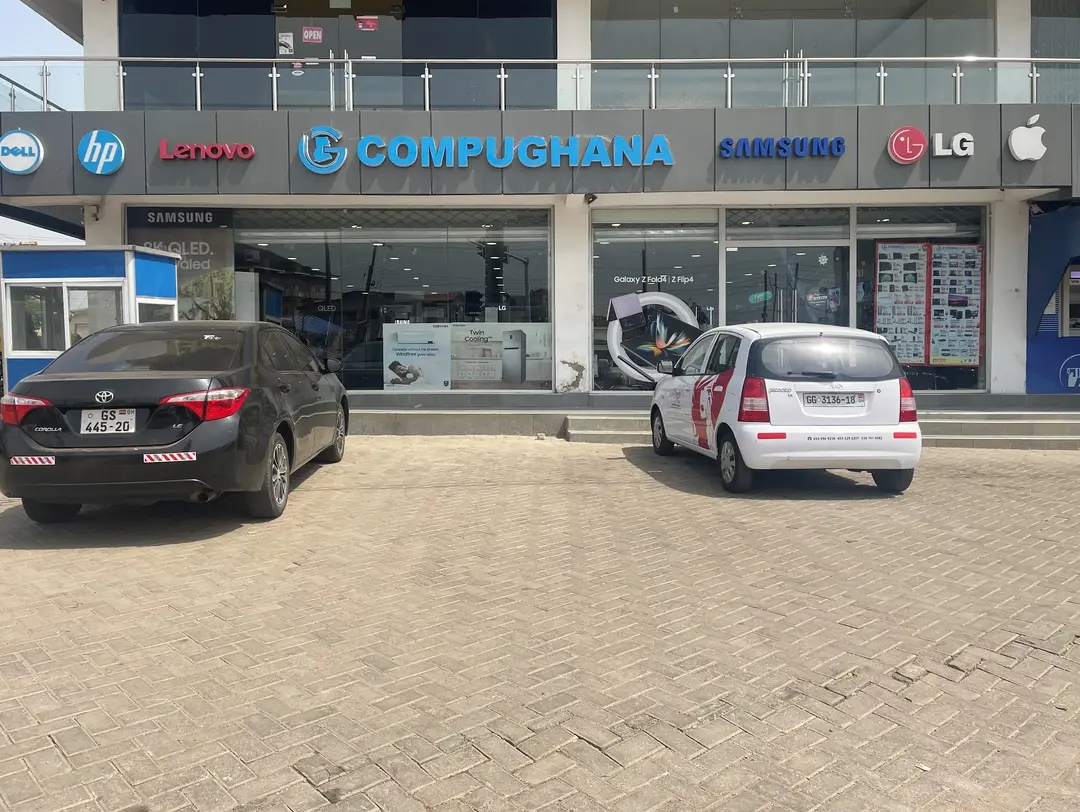
    CompuGhana, one of Ghana’s well-known electronics retailers, has opened a new branch in East Legon, Accra. The move gives shoppers in that part of the city another convenient place to browse and buy laptops, phones, accessories, and other tech products.

    The new showroom is located in the busy East Legon area, which is home to many residents, students, and professionals. For people living or working around there, this means less travel to get hands-on with gadgets before purchasing. Instead of heading all the way to the main store or other outlets, customers can now visit the East Legon branch for a similar shopping experience.

    What the East Legon Branch Offers

    The new showroom stocks a range of products that CompuGhana is known for, including laptops from brands like HP, Dell, and Lenovo, as well as smartphones, tablets, and computer accessories. The store is designed to let customers see and try devices before they buy, which is especially helpful for expensive items like laptops where feel and performance matter.

    CompuGhana has built a reputation for offering competitive prices and genuine products, so the East Legon branch is expected to follow the same standards. For shoppers who prefer to buy in person rather than online, having a physical store nearby can be a big advantage. It also means easier access to after-sales support, warranty claims, and repairs if needed.

    Goal Rush Raffle Winner Announced

    Alongside the branch opening, CompuGhana also announced the winner of its Goal Rush raffle promotion. The promotion was likely tied to a football event or season, though specific details about the raffle mechanics were not provided. The winner received a prize, which adds to the excitement around the brand’s customer engagement efforts.

    Such raffles are common among retailers to reward loyal customers and attract new ones. For Ghanaian shoppers, it’s a reminder to keep an eye on CompuGhana’s promotions, which can offer chances to win gadgets or discounts.

    What This Means for Ghanaian Tech Shoppers

    CompuGhana’s expansion into East Legon reflects the growing demand for electronics in Accra’s suburbs. As more people work and study from home, having a reliable tech retailer nearby becomes more important. The new branch reduces the need to travel long distances for quality tech products, saving time and transport costs.

    For those who prefer online shopping, CompuGhana also has an e-commerce platform. But for customers who want to see a product in person, ask questions, and get immediate assistance, the physical store is a valuable option. The East Legon branch adds to CompuGhana’s network of stores across Accra, making it easier for more Ghanaians to access genuine tech products.

    If you are in the market for a new laptop, phone, or accessory, consider visiting the new East Legon showroom. It is a good idea to compare prices online first and then go to the store to check the product physically. Also, keep an eye on CompuGhana’s social media pages for future promotions and raffles that could save you money or win you something extra.
  • Three Ghanaian startups secure $500k from Village Capital

    Three Ghanaian startups secure $500k from Village Capital

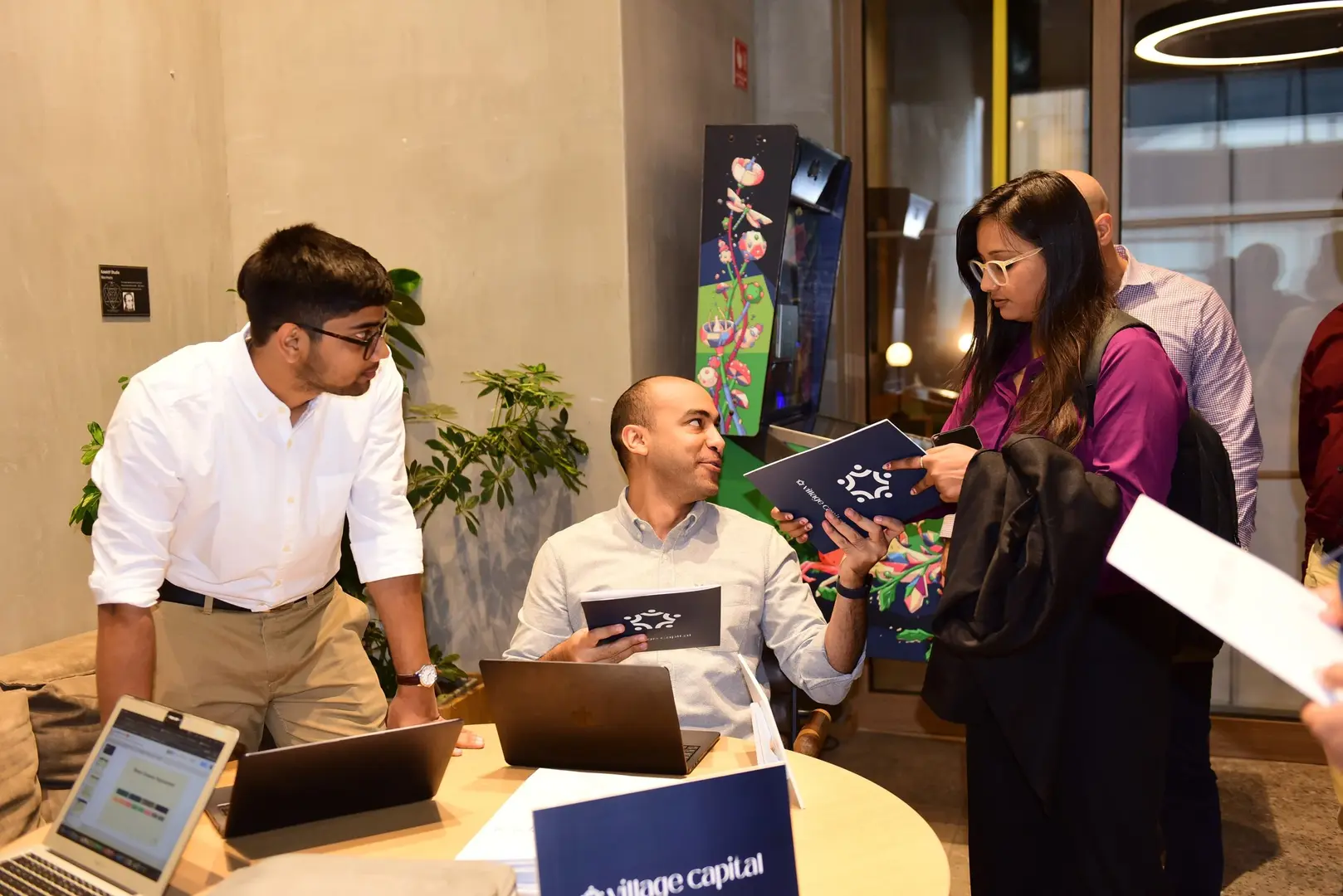
    Three Ghanaian tech startups have secured a total of $500,000 in funding from Village Capital, a global venture capital firm that backs early-stage entrepreneurs solving real-world problems. The investment is part of Village Capital’s broader effort to support startups in emerging markets, and it shines a light on the growing potential of Ghana’s technology ecosystem.

    Who got the funding and what they are building

    The three startups are working on different problems, but they all use technology to address practical needs in Ghana. While the specific names of the startups were not disclosed in the source, the funding is aimed at helping them scale their solutions and reach more users.

    Village Capital typically selects startups through a structured program that includes mentorship, peer review, and investor readiness training. The $500,000 is likely distributed among the three companies based on their stage and needs, though exact amounts per startup were not provided.

    For Ghanaian entrepreneurs, this funding is a signal that global investors are paying attention to local innovation. It also means more resources for startups that are building products tailored to the Ghanaian market, which can lead to better services for consumers and businesses.

    Why this matters for Ghana’s startup scene

    Access to early-stage capital remains one of the biggest challenges for Ghanaian tech startups. Many founders struggle to get the funding they need to move from idea to product, or from product to growth. Village Capital’s investment shows that there is a path to funding for startups that can demonstrate real impact and a viable business model.

    This funding also helps build the ecosystem by creating success stories that can inspire other founders. When investors see that Ghanaian startups can attract international capital, they become more willing to take a chance on the next generation of entrepreneurs.

    Additionally, Village Capital’s involvement often comes with more than just money. The firm provides training, networks, and exposure to a global community of investors and mentors. This kind of support can be just as valuable as the funding itself, especially for early-stage companies that need guidance on strategy, operations, and scaling.

    What this means for the average Ghanaian

    For everyday Ghanaians, the impact of such funding may not be immediate, but it is real. Startups that receive capital can hire more staff, improve their products, and expand their reach. This could mean better access to services like healthcare, education, agriculture, or financial tools, depending on what the startups are building.

    It also means more jobs in the tech sector. As startups grow, they need developers, marketers, customer support agents, and other professionals. This helps reduce unemployment and builds a skilled workforce that can drive the digital economy forward.

    Consumers may also benefit from more competitive pricing and better features as startups use the funding to improve their offerings. In the long run, a stronger startup ecosystem leads to more innovation and better solutions for local problems.

    What to watch next

    While the details of the three startups are limited, it will be interesting to see how they use the funding and what results they achieve. Other Ghanaian founders should pay attention to Village Capital’s future programs and application cycles, as the firm may continue to invest in the region.

    For now, this funding is a positive sign that Ghana’s tech ecosystem is maturing and attracting serious international interest. It also reinforces the message that solving local problems with technology can lead to global opportunities.

    If you are a Ghanaian founder looking for funding, consider researching Village Capital’s investment criteria and application process. Even if you do not get selected, the process of applying and preparing can help you refine your business and become more investor-ready.

  • MTN Ghana: Fibre Internet Is Now a Home Essential, Not a Luxury

    MTN Ghana: Fibre Internet Is Now a Home Essential, Not a Luxury

    For many Ghanaians, fibre internet still feels like a premium service reserved for high-income households. But MTN Ghana is pushing back against that idea. Richard Acheampong, the company’s Chief Home Officer, recently argued that fibre broadband has moved from being a luxury to a necessity for modern life.

    Speaking about the growing importance of home connectivity, Acheampong noted that many people still question why they need fibre when mobile data works fine. His point is that as more activities move online, the reliability and speed of fibre make it a practical requirement for families and businesses.

    Why Fibre Matters More Than Ever

    The shift to remote work, online learning, and digital entertainment has changed what Ghanaians expect from their home internet. Mobile data can be convenient, but it often struggles with consistent speed and data caps. Fibre offers a stable connection that can handle multiple devices and heavy usage without slowing down.

    For a household with children attending virtual classes, parents working from home, and everyone streaming videos, fibre becomes the backbone that keeps everything running. Acheampong’s message is clear: this is no longer a nice-to-have but a tool that supports daily productivity and education.

    MTN Ghana has been expanding its fibre network to reach more homes across the country. The company sees this as part of its broader effort to bridge the digital divide. By making fibre more accessible, they hope to change the perception that it is only for the affluent.

    What This Means for Ghanaian Households

    For the average Ghanaian family, the decision to switch to fibre often comes down to cost and availability. While fibre plans can be more expensive than mobile data, the value lies in the quality of service. A stable connection means fewer interruptions during important video calls or online exams.

    Businesses also stand to benefit. Small and medium enterprises that operate from home can rely on fibre for seamless communication with clients and suppliers. This can improve efficiency and open up new opportunities that require a dependable internet link.

    However, challenges remain. Fibre infrastructure is still concentrated in urban areas, leaving many rural communities without access. MTN’s expansion efforts will need to address this gap to truly make fibre a nationwide essential.

    For now, the conversation is shifting. As Acheampong suggests, Ghanaians should start viewing fibre internet as a utility like electricity or water. It powers the digital activities that are becoming central to everyday life.

    The practical takeaway is clear: if your household relies heavily on the internet for work, school, or business, investing in fibre could save you time and frustration. It is worth comparing plans from different providers to find one that fits your budget and needs. As more Ghanaians make the switch, the idea of fibre as a luxury will likely fade away.

  • Airtel Money’s $10 Billion London IPO: What It Means for Ghanaian Users

    Airtel Money’s $10 Billion London IPO: What It Means for Ghanaian Users

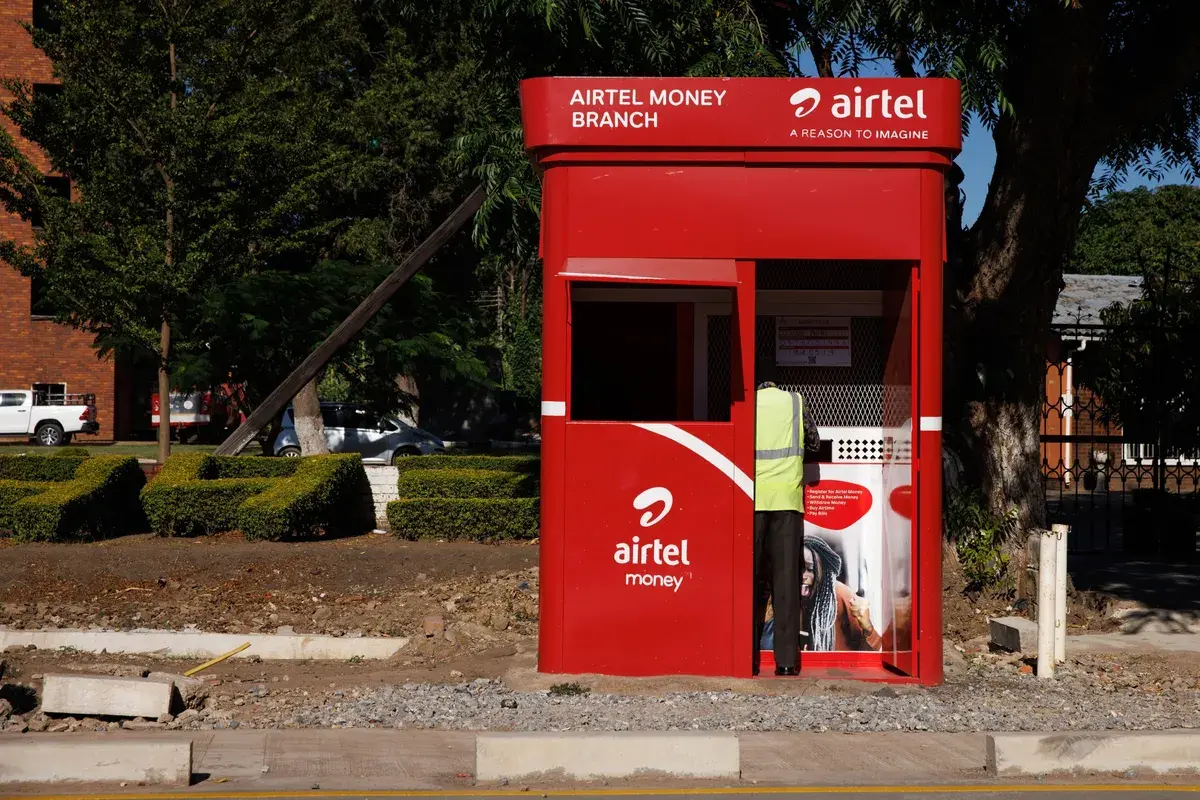
    Airtel Money, the mobile financial services arm of Airtel Africa, is preparing for a major public listing on the London Stock Exchange. The company is targeting a valuation of $10 billion and expects the IPO to take place by late 2026. For Ghanaian users of Airtel Money, this development could bring changes to the services they use every day.

    What the IPO Means for Airtel Money’s Growth

    Going public allows a company to raise capital from investors by selling shares. For Airtel Money, the $10 billion target signals confidence in its business model and growth prospects. The funds raised could be used to expand operations, improve technology, and enter new markets. In Ghana, where mobile money is a key part of daily life for millions, this could mean better services and more competition.

    Airtel Money is already a significant player in Ghana’s mobile money space, competing with MTN MoMo and other providers. The IPO could give Airtel Money the financial muscle to invest in features like higher transaction limits, faster transfers, and more merchant partnerships. For users, that might translate into a smoother experience and more options for sending and receiving money.

    Impact on Airtel Ghana Customers

    For the average Airtel Ghana subscriber who uses Airtel Money, the IPO is unlikely to bring immediate changes. However, over time, the additional capital could lead to improvements. Airtel Money might introduce new services such as savings products, loans, or insurance, following the trend of other mobile money platforms. It could also expand its agent network, making it easier to deposit and withdraw cash in rural areas.

    One area to watch is pricing. With more funding, Airtel Money could afford to lower transaction fees or offer promotions to attract users. This would put pressure on competitors like MTN MoMo to respond, potentially benefiting all mobile money users in Ghana. On the other hand, if Airtel Money focuses on profitability after listing, fees might not drop significantly.

    Another consideration is regulatory oversight. As a publicly listed company, Airtel Money will face stricter reporting and governance requirements. This could increase transparency and trust among users who are concerned about the safety of their funds. In Ghana, the Bank of Ghana regulates mobile money operators, and a public listing adds an extra layer of accountability.

    What This Means for Mobile Money Competition in Ghana

    Ghana’s mobile money market is dominated by MTN MoMo, which holds the largest market share. Airtel Money’s IPO could help it close the gap. With access to international capital, Airtel Money can invest in marketing, technology, and agent incentives to win more customers. This competition is healthy for the ecosystem because it drives innovation and better service.

    However, the IPO is still a few years away, and much can change. The success of the listing depends on market conditions, regulatory approvals, and Airtel Money’s financial performance. For now, Ghanaian users should see this as a positive sign that Airtel Money is committed to long-term growth.

    It is also worth noting that Airtel Money operates across multiple African countries, so the IPO’s impact will not be limited to Ghana. The company’s ability to scale and share best practices across markets could benefit Ghanaian users indirectly.

    What to Watch for in the Coming Years

    Between now and late 2026, Airtel Money will likely make moves to strengthen its position ahead of the IPO. This could include partnerships, technology upgrades, or new product launches. Ghanaian users should keep an eye on announcements from Airtel Ghana regarding Airtel Money services.

    If you use Airtel Money, consider exploring its full range of features. The more you use the platform, the more you can benefit from any improvements that come. Also, compare it with other mobile money options to ensure you are getting the best value for your transactions.

    The $10 billion IPO is a big step for Airtel Money, but its real impact will be measured by how it improves the lives of everyday users in Ghana. For now, the news is a reminder that mobile money remains a dynamic and competitive space in the country.

  • Bank of Ghana Takes Cautious Stance on Stablecoins: What It Means for Mobile Money Users

    Bank of Ghana Takes Cautious Stance on Stablecoins: What It Means for Mobile Money Users

    Ghana’s central bank is taking a measured approach to stablecoins, even as other African countries explore digital currencies more aggressively. For the millions of Ghanaians who rely on mobile money for everyday transactions, this cautious stance could have real implications for how they send and receive money.

    What Are Stablecoins and Why Do They Matter?

    Stablecoins are a type of cryptocurrency designed to hold a steady value, usually by being pegged to a stable asset like the US dollar. Unlike Bitcoin or Ethereum, which can swing wildly in price, stablecoins aim to offer the benefits of digital currency without the volatility. This makes them attractive for cross-border payments, remittances, and even local transactions.

    In Ghana, mobile money platforms like MTN MoMo and Vodafone Cash already handle billions of cedis in transactions each year. But sending money across borders can still be slow and expensive. Stablecoins could potentially offer a faster, cheaper alternative for Ghanaians receiving money from abroad or sending funds to family overseas.

    The Central Bank’s Position

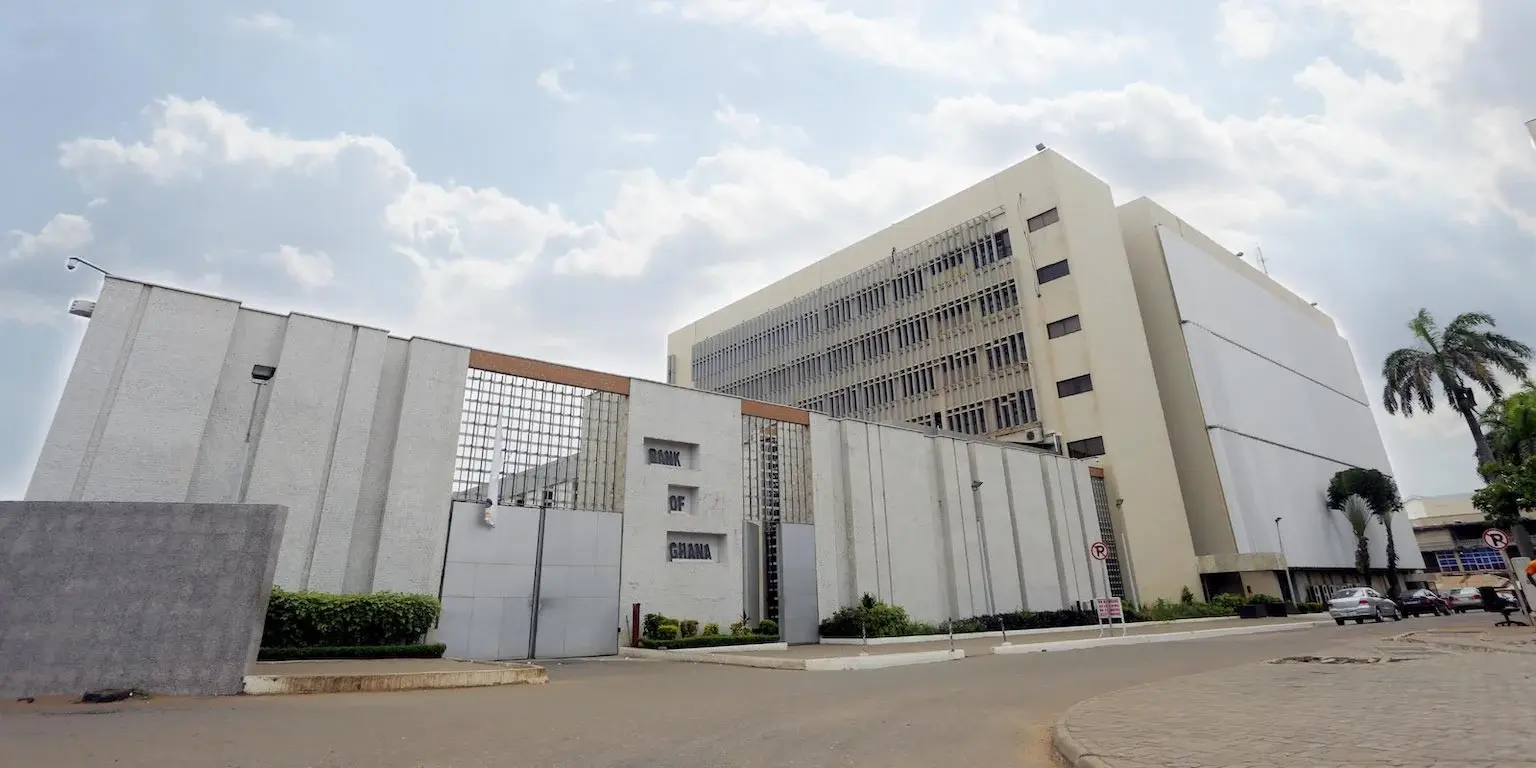
    The Bank of Ghana has not banned stablecoins, but it is proceeding with caution. The central bank is reportedly studying the risks and benefits before making any moves. This is consistent with its approach to the broader cryptocurrency space, where it has warned the public about risks while also exploring its own central bank digital currency (CBDC), the eCedi.

    For now, the message is clear: stablecoins are not officially recognized or regulated in Ghana. That means users and businesses that adopt them do so without the protection of the central bank. If something goes wrong, there is no recourse.

    What This Means for MoMo Users

    For the average mobile money user in Ghana, the central bank’s caution means that stablecoins are unlikely to become a mainstream payment option anytime soon. MoMo users who want to use stablecoins for remittances or savings will have to rely on informal channels or third-party platforms that operate outside the regulatory framework.

    This could create risks. Without regulation, there is no guarantee that a stablecoin issuer will actually hold enough reserves to back the coins in circulation. If the issuer fails, users could lose their money. There is also the risk of fraud, as scammers may take advantage of the lack of oversight.

    On the other hand, the central bank’s cautious approach could protect consumers from jumping into a market that is still evolving. By waiting and watching, the Bank of Ghana can learn from the experiences of other countries and design a framework that works for Ghana’s unique financial landscape.

    The Bigger Picture: Digital Currencies in Africa

    Across Africa, central banks are taking different approaches to digital currencies. Nigeria has launched its own CBDC, the eNaira, while Kenya and South Africa are exploring similar projects. Some countries, like El Salvador, have gone as far as adopting Bitcoin as legal tender, though that move has been controversial.

    Ghana’s approach is more deliberate. The Bank of Ghana has been piloting the eCedi, a digital version of the cedi, which would be backed by the central bank and regulated like traditional money. If successful, the eCedi could offer many of the same benefits as stablecoins, such as faster payments and lower costs, but with the safety of official backing.

    For now, stablecoins remain on the sidelines in Ghana. But as the technology matures and other countries gain experience, the central bank may eventually open the door to regulated stablecoin use. Until then, MoMo users should be cautious about using unregulated digital currencies and stick to trusted payment methods.

    Practical Takeaways

    If you are a mobile money user in Ghana, here is what you should keep in mind:

    • Stablecoins are not regulated in Ghana, so using them carries risks.
    • The Bank of Ghana is studying stablecoins but has not made any decisions.
    • The eCedi, Ghana’s own digital currency, may offer similar benefits with more safety.
    • For now, stick to regulated mobile money services for everyday transactions.

    The situation could change as the central bank gathers more information and as other African countries test different models. For the time being, the safest bet is to keep using MoMo and other regulated services while staying informed about developments in digital currencies.

  • MTN Ghana to Pay 40% More for 5G Spectrum Due to Market Dominance

    MTN Ghana to Pay 40% More for 5G Spectrum Due to Market Dominance

    The National Communications Authority (NCA) has officially opened the application process for 5G spectrum in Ghana, inviting telecom operators to bid for eleven lots across three frequency bands. However, one major player will face a steeper price: MTN Ghana, designated as having Significant Market Power (SMP), will be required to pay 40% more for the spectrum than any other applicant.

    What the Spectrum Auction Means for Ghana’s 5G Rollout

    The NCA is offering spectrum in the 700 MHz, 2600 MHz, and 3500 MHz bands, which are commonly used for 5G networks globally. The 700 MHz band is particularly valuable because it can cover large areas and penetrate buildings well, making it ideal for widespread coverage. The higher bands offer more capacity for faster speeds in dense urban areas.

    This auction is a critical step toward commercial 5G services in Ghana. While some operators have already conducted trials, access to licensed spectrum is necessary for full-scale deployment. The NCA’s decision to impose a premium on MTN reflects its regulatory approach to level the playing field, given MTN’s dominant position in the market.

    Why MTN Pays More: The SMP Designation

    MTN Ghana has long been classified as having Significant Market Power by the NCA, meaning it holds a large share of the telecom market and can influence prices and competition. Under this classification, the regulator can impose additional obligations to prevent anti-competitive behavior. The 40% surcharge on spectrum fees is one such measure.

    This is not the first time MTN has faced such treatment. In previous spectrum allocations and interconnection rate determinations, the SMP status has led to higher costs for MTN. The rationale is that MTN’s size gives it advantages in bidding, and the premium helps ensure that smaller operators can still compete for spectrum without being outbid.

    For MTN, this means its 5G rollout will be more expensive than its rivals. The company will need to factor in the additional cost when planning its network investments and pricing strategies. For other operators like Vodafone Ghana, AirtelTigo, and new entrants, the lower spectrum price could accelerate their 5G plans.

    Practical Implications for Ghanaian Consumers and Businesses

    For everyday Ghanaians, the spectrum auction is a behind-the-scenes development that will shape the future of mobile internet. 5G promises faster download and upload speeds, lower latency, and the ability to connect many more devices simultaneously. This could improve experiences for streaming, video calls, online gaming, and cloud services.

    Businesses stand to benefit even more. Industries like agriculture, healthcare, education, and logistics could use 5G for real-time monitoring, remote diagnostics, smart farming, and automated systems. However, the benefits depend on how quickly and widely operators deploy the networks.

    The premium on MTN may lead to a more competitive landscape. If other operators can launch 5G at lower cost, they might offer more affordable plans or better coverage to attract customers. MTN, on the other hand, may need to justify its higher prices through superior service or exclusive features.

    It is also worth noting that the NCA has not yet announced the reserve prices or the exact timeline for the auction. Operators will need to submit applications and meet eligibility criteria. The process is expected to be competitive, especially for the prime 700 MHz spectrum.

    What to Watch Next

    Ghana’s 5G journey is still in its early stages. The spectrum auction will determine which operators get the licenses and how much they pay. After that, network deployment will take months or even years. Consumers should not expect widespread 5G coverage immediately, but the groundwork is being laid.

    For now, the key takeaway is that the NCA is actively managing the market to prevent MTN from dominating the next generation of mobile technology. Whether this leads to faster, cheaper, or more widespread 5G for Ghanaians will depend on how operators respond to the regulatory environment.

  • SSNIT Launches Visa Prepaid Card for Contributors: What You Need to Know

    SSNIT Launches Visa Prepaid Card for Contributors: What You Need to Know

    If you are a contributor to Ghana’s Social Security and National Insurance Trust (SSNIT), you may soon have a new way to access your benefits and make everyday payments. SSNIT has launched a Visa prepaid card as part of its Membership Value Programme, giving contributors a digital payment option linked to their SSNIT account.

    The card is designed to make it easier for contributors to receive and use their SSNIT benefits without relying solely on bank accounts or cash. It is a prepaid card, meaning you can only spend the money loaded onto it, and it works anywhere Visa is accepted, both in Ghana and abroad.

    How the SSNIT Visa Prepaid Card Works

    The card is not a credit card. It is a prepaid card that SSNIT will load with benefits or payments due to you as a contributor. This could include pension payments, lump sum withdrawals, or other disbursements from your SSNIT account. Once the money is on the card, you can use it to pay for goods and services at merchants that accept Visa, withdraw cash from ATMs, or make online purchases.

    To get the card, you need to be an active SSNIT contributor. The card is issued as part of the Membership Value Programme, which aims to provide additional benefits to contributors beyond the standard pension scheme. SSNIT has not yet announced a specific date for when the card will be available to all contributors, but it is expected to roll out in phases.

    One key advantage of the prepaid card is that it does not require a bank account. This makes it accessible to contributors who may not have a formal bank account but still want a secure and convenient way to receive and use their SSNIT benefits. It also reduces the need to visit SSNIT offices or banks to collect payments, saving time and travel costs.

    Who Can Use the Card and What Are the Benefits?

    The card is intended for all SSNIT contributors who are enrolled in the Membership Value Programme. If you are already a contributor, you may be automatically eligible, but you should check with SSNIT or your employer for details on how to sign up for the programme.

    For contributors, the card offers several practical benefits:

    • Convenience: You can access your SSNIT benefits without needing a bank account. The card works at millions of Visa acceptance points worldwide, including ATMs, shops, and online stores.
    • Security: Prepaid cards are safer than carrying cash. If the card is lost or stolen, you can report it to SSNIT or the issuing bank to block it and protect your funds.
    • Financial inclusion: For contributors who are unbanked or underbanked, the card provides a gateway to digital payments and financial services. You can use it to pay bills, buy groceries, or send money to family.
    • No debt risk: Since it is a prepaid card, you cannot spend more than the amount loaded. This helps you avoid debt and manage your spending.

    However, there may be some limitations. Prepaid cards often come with fees, such as ATM withdrawal fees, monthly maintenance fees, or transaction fees. SSNIT has not yet published the full fee schedule for this card, so contributors should review the terms carefully before using it. Also, the card may not be accepted at all merchants, especially smaller shops that do not have Visa payment terminals.

    What This Means for Ghana’s Digital Payments Landscape

    The introduction of the SSNIT Visa prepaid card is a step towards greater digital financial inclusion in Ghana. Many Ghanaians still rely on cash for daily transactions, and prepaid cards can help bridge the gap between cash and digital payments. By giving contributors a card that works on the Visa network, SSNIT is tapping into an existing payment infrastructure that is widely used in Ghana and internationally.

    For the fintech ecosystem, this move could encourage more partnerships between government agencies and payment networks. It also signals that SSNIT is modernizing its services to meet the needs of a digitally savvy population. Contributors who are used to mobile money or bank cards will find the prepaid card familiar and easy to use.

    However, the success of the card will depend on how well SSNIT communicates the benefits and terms to contributors, and how easily contributors can get the card and load funds. If the process is straightforward and fees are reasonable, the card could become a popular tool for managing retirement benefits.

    How to Get Started

    If you are an SSNIT contributor and want to get the Visa prepaid card, the first step is to ensure you are enrolled in the Membership Value Programme. You can check with your employer or contact SSNIT directly for information on how to register. Once enrolled, SSNIT will provide instructions on how to receive and activate your card.

    Keep in mind that the card is not yet available to all contributors. SSNIT is expected to announce a rollout schedule soon. In the meantime, you can prepare by gathering your SSNIT number and personal identification documents, which you will likely need to apply for the card.

    The SSNIT Visa prepaid card is a practical innovation that makes it easier for contributors to access their benefits and participate in the digital economy. While details on fees and availability are still limited, the card represents a positive step towards financial inclusion and convenience for Ghanaian workers.

  • Binance Charity sends $35,000 in USDT vouchers to flood-hit Ghanaian users

    Binance Charity sends $35,000 in USDT vouchers to flood-hit Ghanaian users

    The recent floods in parts of Ghana have left many people struggling to recover. In response, Binance Charity, the philanthropic arm of the global cryptocurrency exchange, has announced a donation of $35,000 to support affected users in the country.

    The aid will be distributed as 15 USDT token vouchers to Binance users who are identified as living in the impacted regions. This move aims to provide quick, direct financial help without the delays often associated with traditional aid channels.

    How the support will work

    Binance Charity will identify eligible users based on their registered location data. Those living in flood-affected areas will receive a 15 USDT voucher directly into their Binance accounts. The voucher can be used for trading or converted to other cryptocurrencies or local currency through peer-to-peer platforms.

    This approach bypasses many of the logistical hurdles that slow down cash-based relief. Since the vouchers are digital, recipients do not need to visit a physical distribution point. Anyone with a Binance account and internet access can claim and use the funds.

    For many Ghanaians, especially those who already use mobile money and digital finance, receiving aid in USDT may feel familiar. The stablecoin is pegged to the US dollar, so its value does not fluctuate wildly like other cryptocurrencies. That makes it a practical choice for emergency support.

    What this means for affected Ghanaians

    Flooding in Ghana often disrupts banking services and makes cash hard to access. Roads may be blocked, ATMs may run out of money, and bank branches may close. Digital vouchers can be used from a smartphone, as long as there is network coverage.

    However, there are limitations. Only Binance users in the identified areas will qualify. If you do not have a Binance account, you cannot receive the voucher. Also, the amount is 15 USDT per person, which is roughly GHS 200 at current rates. That is helpful for immediate needs like food or transport, but it is not a full recovery solution.

    Binance Charity has not yet published the full list of eligible regions or the exact timeline for distribution. Users are advised to keep their Binance app updated and check their notifications or email for any messages from the charity.

    Cryptocurrency as a relief tool in Ghana

    This is not the first time cryptocurrency has been used for disaster relief in Africa. Digital assets can move across borders quickly and with low fees. For a country like Ghana, where mobile money is already widespread, adding crypto vouchers to the mix is a natural step.

    Still, crypto adoption in Ghana faces challenges. Many people do not yet own a smartphone or have reliable internet. Others are wary of the volatility and scams in the space. Stablecoins like USDT reduce the volatility risk, but education and trust remain barriers.

    Binance Charity’s effort may help introduce more Ghanaians to the practical use of digital assets. For those already using Binance, the voucher is a direct benefit. For others, it may spark curiosity about how crypto can serve real-world needs beyond trading.

    If you live in a flood-affected area and have a Binance account, keep an eye on your account dashboard. If you do not have an account, you may still be able to receive help through other community or government programs. The floods have been severe, and every bit of support counts.

    As recovery continues, digital aid like this shows how technology can complement traditional relief efforts. The key is making sure the help reaches those who need it most, without unnecessary delays.

  • Bank of Ghana Wants to Use Your MoMo History as a Credit Score

    Bank of Ghana Wants to Use Your MoMo History as a Credit Score

    For millions of Ghanaians who work in the informal sector or the gig economy, getting a loan from a bank has always been difficult. Without a formal salary slip or a traditional credit history, banks often see them as too risky. But the Bank of Ghana (BoG) is now looking at a different way to assess creditworthiness: your mobile money transaction history.

    The idea is simple. Instead of relying on bank statements or credit bureau reports, lenders could use your MoMo records to see how much money moves through your account, how regularly you receive income, and whether you pay your bills on time. For informal workers like market traders, drivers, artisans, and freelancers, this could be a game changer.

    Why MoMo History Matters for Credit

    Mobile money is already deeply embedded in Ghana’s economy. According to the Bank of Ghana, mobile money transactions have grown significantly over the years, with millions of Ghanaians using services like MTN MoMo, Vodafone Cash, and AirtelTigo Money every day. For many informal workers, their MoMo account is their primary financial tool. They receive payments, send money, pay for goods, and even save through it.

    But until now, that data has not been used to build a credit profile. Traditional credit scoring models require a formal banking relationship, which excludes a large portion of the population. By using MoMo transaction history, the BoG hopes to create an alternative credit scoring system that reflects the real financial behaviour of informal workers.

    This move aligns with the BoG’s broader push for financial inclusion. In recent years, the central bank has introduced policies to make digital payments more accessible and to encourage the use of mobile money for savings and lending. If this plan works, it could unlock access to loans, insurance, and other financial products for people who have been left out of the formal system.

    What This Means for Informal Workers and Gig Economy Users

    For someone who sells goods at a market or drives for a ride-hailing service, a loan can mean the difference between expanding a business or staying stuck. But without a credit score, they often have to rely on informal lenders who charge high interest rates or family and friends who may not have the funds.

    If MoMo history becomes an accepted credit score, a trader could apply for a small loan based on their consistent daily deposits. A freelancer who receives irregular payments but has a long history of transactions could also qualify. The system would look at patterns, not just a monthly salary.

    Insurance is another area where this could help. Many informal workers do not have health or life insurance because providers cannot assess their risk. With transaction data, insurers could offer micro-insurance products tailored to the person’s income and spending habits.

    However, there are still questions. How will the BoG ensure that the data is used fairly? Will users have to give explicit consent? And what about privacy? The central bank has not yet released detailed rules, but these are important issues that need to be addressed before the system can work.

    Challenges and What to Watch Next

    One challenge is that not all MoMo users have a consistent transaction history. Some people use mobile money only occasionally, while others may have multiple accounts. The scoring model will need to account for these differences.

    Another issue is data security. Mobile money records contain sensitive information about a person’s finances. If lenders get access to this data, there must be strong safeguards to prevent misuse. The BoG will likely need to set clear guidelines on how data can be collected, stored, and shared.

    For now, the plan is still in the early stages. The BoG has announced its intention, but the details of implementation are not yet public. It is not clear when the system will be ready or which lenders will participate first.

    What is clear is that this could be a major step forward for financial inclusion in Ghana. If done right, it could give millions of informal workers a fair chance to access credit and insurance. For anyone who relies on mobile money for their daily transactions, it is worth paying attention to how this develops.

    In the meantime, users can start thinking about their own MoMo habits. Regular transactions, consistent savings, and timely bill payments could all help build a positive digital footprint. That footprint may soon be the key to unlocking financial opportunities.

  • Ride with MoMo: How Ghana’s Tro-Tro Drivers Can Now Accept Mobile Money Payments

    Ride with MoMo: How Ghana’s Tro-Tro Drivers Can Now Accept Mobile Money Payments

    For many Ghanaians, the daily tro-tro ride is a familiar routine. But one thing that hasn’t changed much is how passengers pay. Cash is still king, and drivers often struggle with giving change or handling large volumes of coins and notes. Now, a new system called Ride with MoMo aims to change that by letting passengers pay their fare using mobile money.

    What Is Ride with MoMo?

    Ride with MoMo is a QR-based mobile money payment system designed specifically for Ghana’s transport sector. It was launched by MobileMoney, the company behind the MoMo service. The system allows tro-tro drivers and other transport operators to accept payments from passengers using their mobile money wallets.

    Instead of handing over cash, passengers can scan a QR code displayed in the vehicle and pay the exact fare from their MoMo account. The driver receives the payment instantly into their own MoMo wallet. No card machines, no cash handling, and no need for change.

    How It Works for Drivers and Passengers

    For drivers, the process is straightforward. They need to register for the service, after which they receive a unique QR code. This code can be printed and placed inside the vehicle. When a passenger wants to pay, they simply scan the code using their mobile money app, enter the fare amount, and confirm the payment.

    Passengers don’t need any special app. If they already have a MoMo wallet, they can use the standard MoMo app or USSD code to scan the QR code and pay. The system works with any smartphone that has a camera and the MoMo app installed.

    One key advantage is that the payment is instant. The driver sees the money in their wallet immediately, which removes the risk of fake payments or bounced checks. For passengers, it means they don’t have to worry about carrying exact change or finding a driver who can break a large note.

    Why This Matters for Ghana’s Transport Sector

    Ghana’s tro-tro industry is largely informal and cash-based. Drivers often start their day with a float of small notes and coins to give change, but running out of change is a common headache. Passengers sometimes end up paying more than the fare because the driver cannot break their note.

    Ride with MoMo addresses this problem directly. By moving payments to mobile money, both drivers and passengers can transact without the limitations of physical cash. For drivers, it also means they don’t have to handle dirty or damaged notes, and they can keep better track of their daily earnings since every transaction is recorded digitally.

    There is also a safety angle. Drivers who carry less cash are less attractive targets for thieves. And passengers don’t need to pull out their wallets in crowded vehicles, reducing the risk of pickpocketing.

    What Drivers Should Know Before Signing Up

    While the system sounds convenient, there are a few things drivers should consider. First, both the driver and the passenger need a smartphone with internet access to use the QR code feature. In areas with poor network coverage, the payment might not go through smoothly.

    Second, drivers will need to educate their passengers about the new payment option. Many passengers are used to paying cash and may not immediately trust a digital payment system. Drivers may need to explain how it works and reassure passengers that the payment is secure.

    Third, there may be transaction fees. Mobile money transfers usually come with a small charge, and it is not yet clear whether the driver or the passenger will bear this cost. Drivers should check the terms of service before signing up.

    The Bigger Picture for Digital Payments in Ghana

    Ride with MoMo is part of a broader push to digitize payments in Ghana. Mobile money is already widely used for person-to-person transfers, bill payments, and even savings. Extending it to transport is a natural next step.

    If successful, this system could pave the way for similar solutions in other informal sectors like market trading or street food vending. It also aligns with the government’s goal of promoting a cash-lite economy.

    For now, the success of Ride with MoMo will depend on adoption. Drivers need to see the value in signing up, and passengers need to feel comfortable using their phones to pay for a ride. If both sides embrace it, Ghana’s tro-tro rides could become a lot smoother.

    What to Watch Next

    If you are a tro-tro driver or a frequent passenger, keep an eye out for the Ride with MoMo QR codes in vehicles. The service is still new, so availability may be limited at first. Drivers interested in registering should contact their MoMo agent or check the official MobileMoney channels for details on how to sign up.

    For passengers, the next time you board a tro-tro and see a QR code, you might not need to dig for cash. Just scan and go.